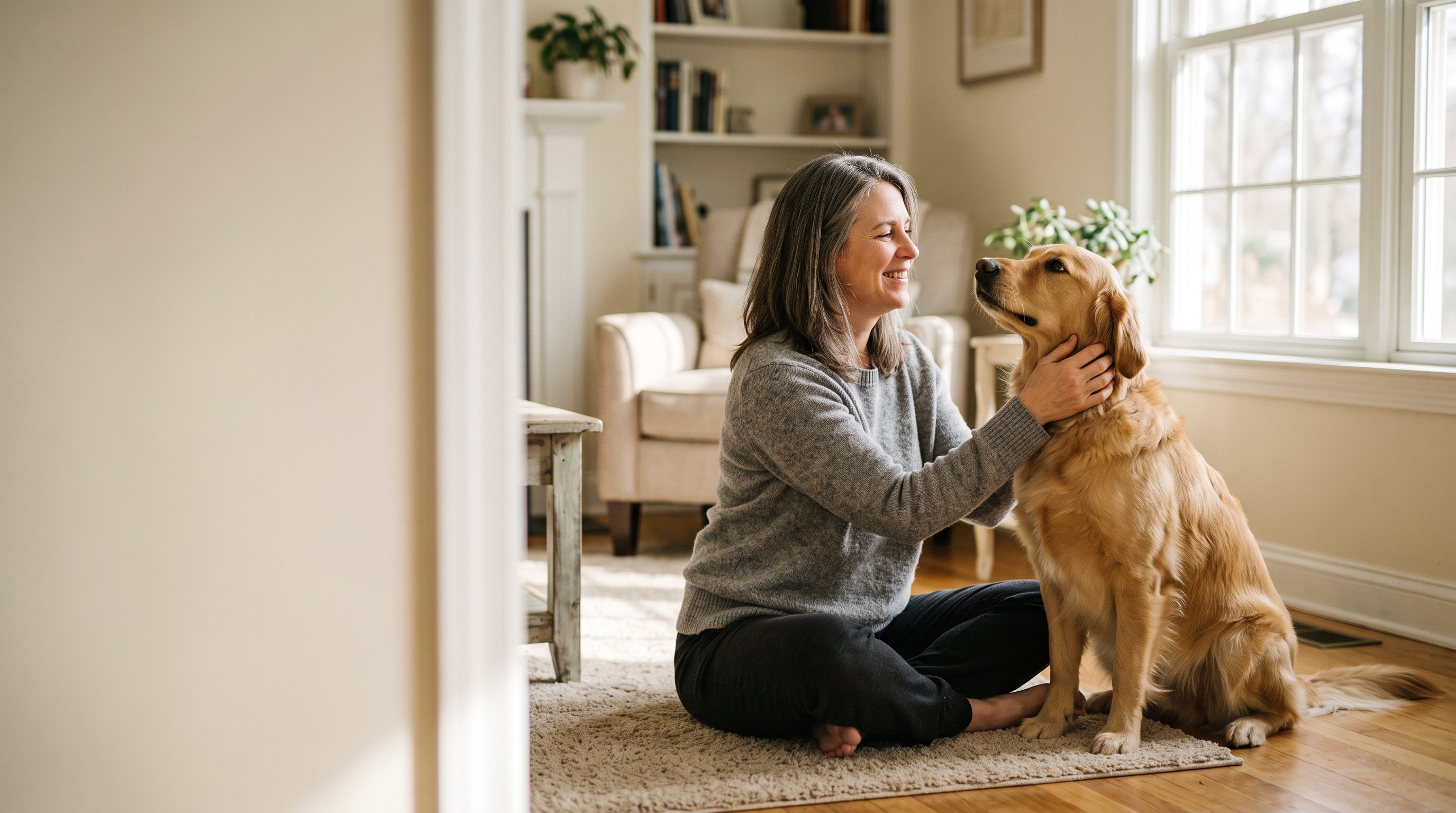
More Good Years With The Dog You Love
You don’t get enough time with your dog. But the choices you make now can help protect more healthy, happy days together. This website gives you clear dog longevity tips for food, movement, brain health, gut health, joint comfort, anxiety, safer home routines, and healthy aging at every age.
Start with the area you care about most, or use our free tools to spot small changes before they become bigger worries.
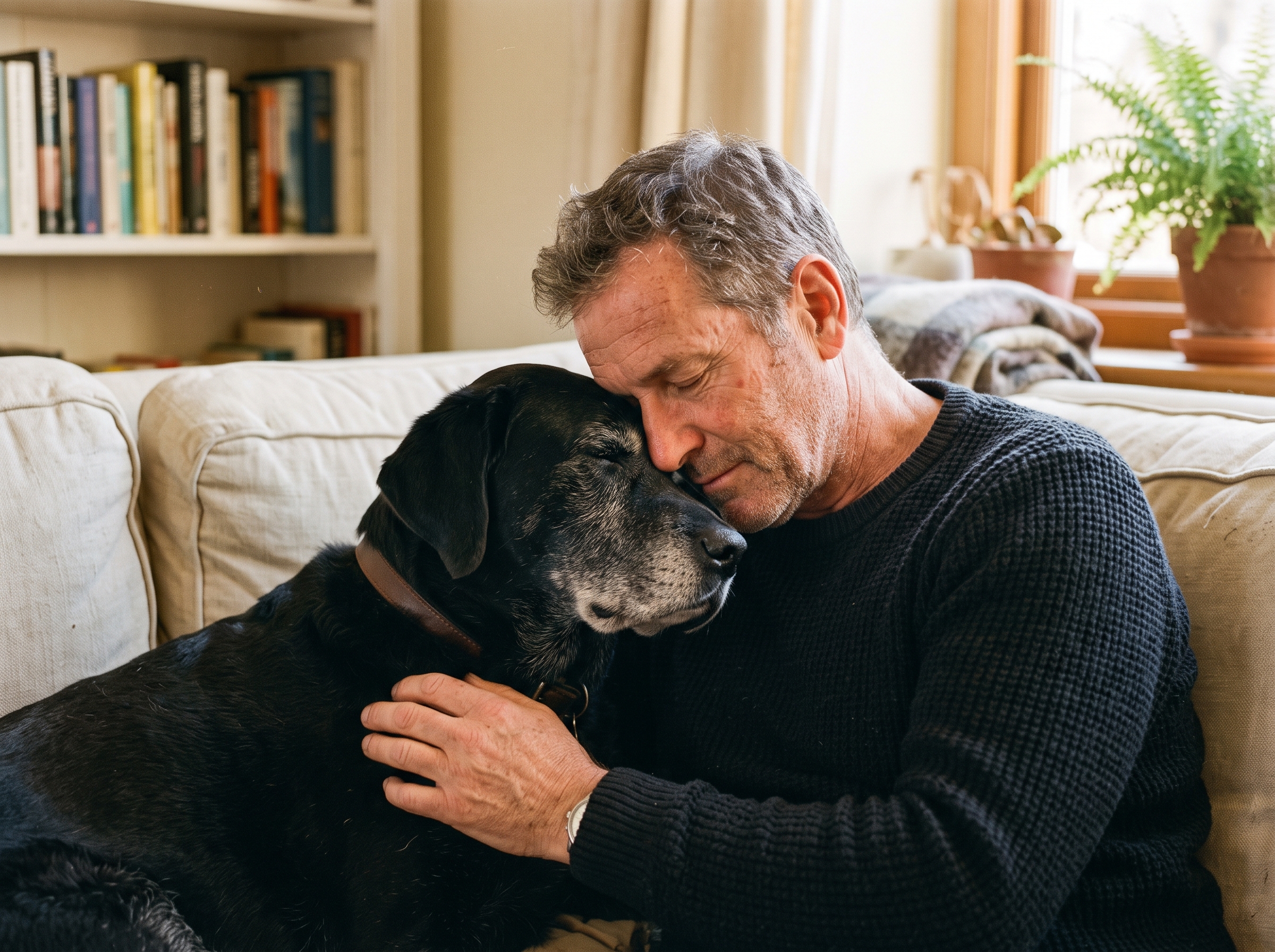
Because Dogs Give Us Their Whole Life
If you love a dog, you already know the unfair part. Dogs give us their whole life, and we only get part of ours with them. More years matter most when they’re good years.
This website is for the dog parent who wants to act earlier. It’s for the person who notices small changes, wants safer daily choices, and wants their dog to stay comfortable, clear, calm, mobile, and happy for as long as possible.
Clear Help For Dog Parents Who Want Real Answers
Dog health advice online gets confusing fast. One article makes every symptom feel urgent. Another pushes a product before it earns your trust. Another uses medical language but never tells you what to do next.
Here, you’ll find clear guides, research breakdowns, journal summaries, quizzes, checklists, product reviews, and practical tips written by dog parents for dog parents.
Choose The Area Your Dog Needs Most
Every path leads into clear guides, tools, and practical dog longevity tips for the part of your dog’s health you care about right now.
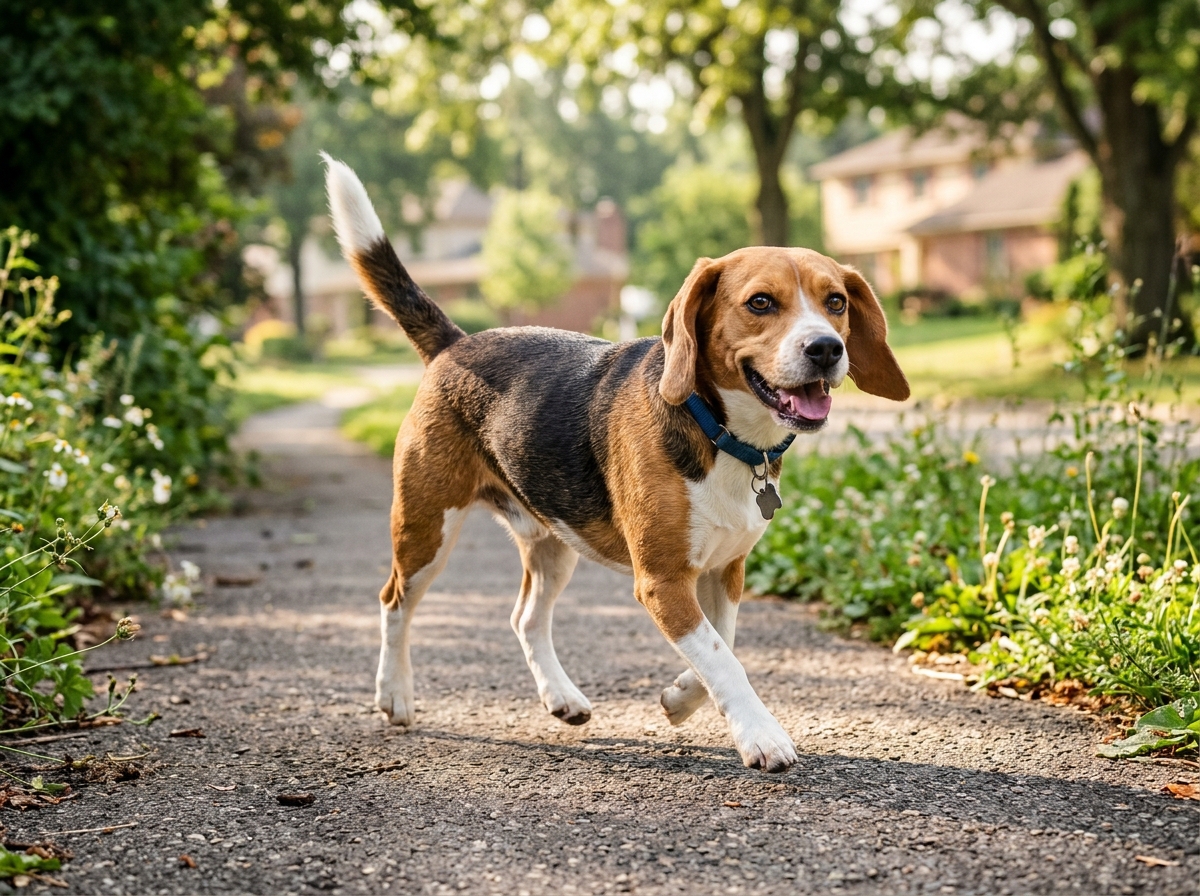
Live Longer
Learn the daily habits that support a longer, better life: healthy weight, better food choices, movement, dental care, sleep, vet visits, and the small changes worth watching.
Explore Dog Longevity Tips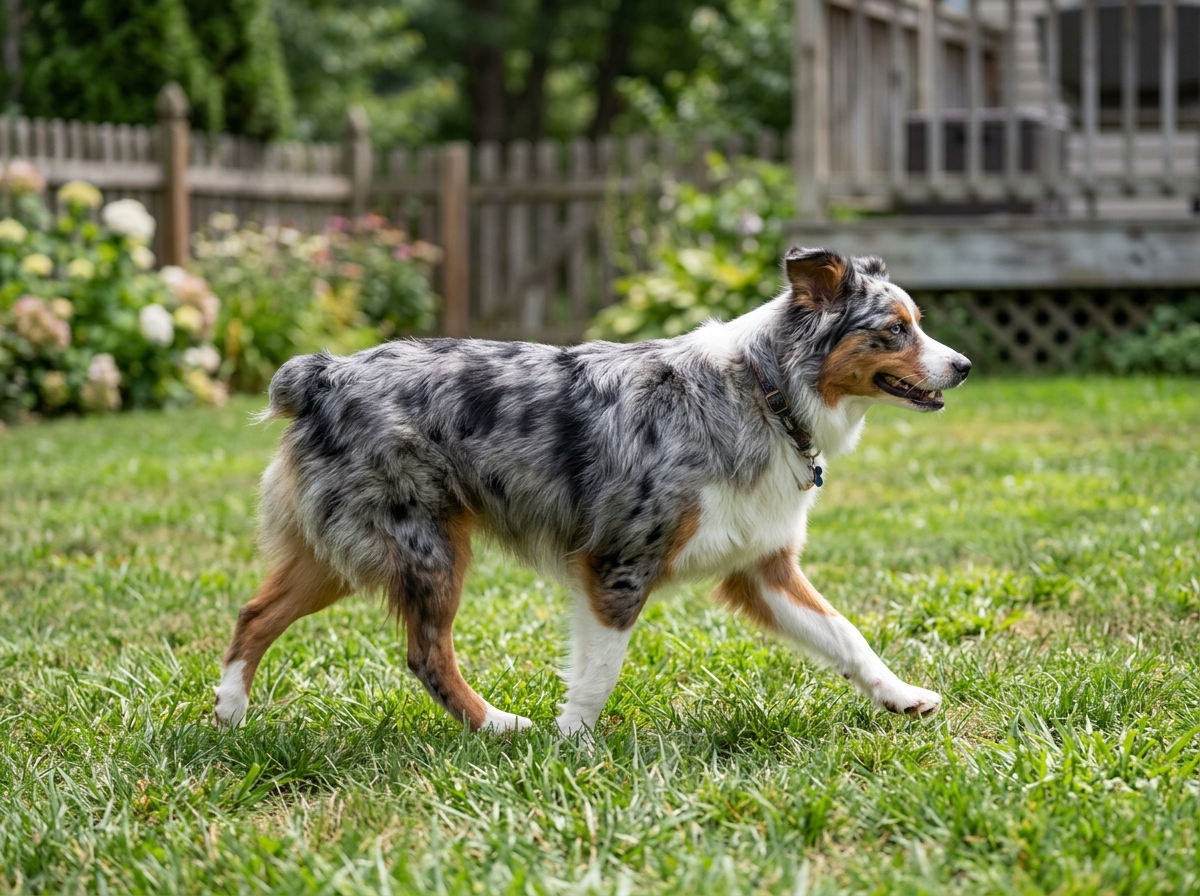
Move Better
Help your dog keep moving with more comfort. Learn about joint support, stairs, ramps, traction, walks, recovery, and signs that movement may be getting harder.
Support Easier Movement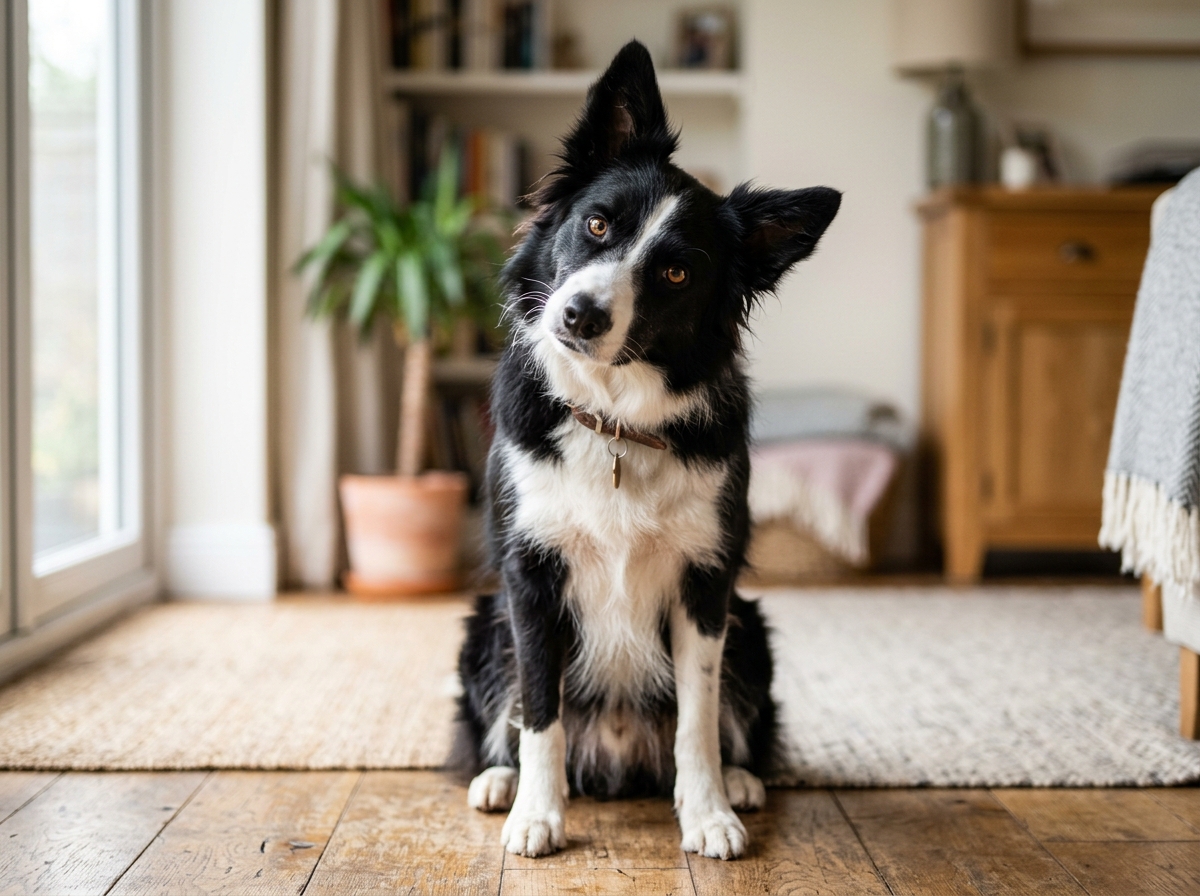
Think Clearer
Support your dog’s brain as they age. Learn about confusion, pacing, sleep changes, memory, enrichment, routines, and the signs linked to cognitive decline.
Learn About Brain Health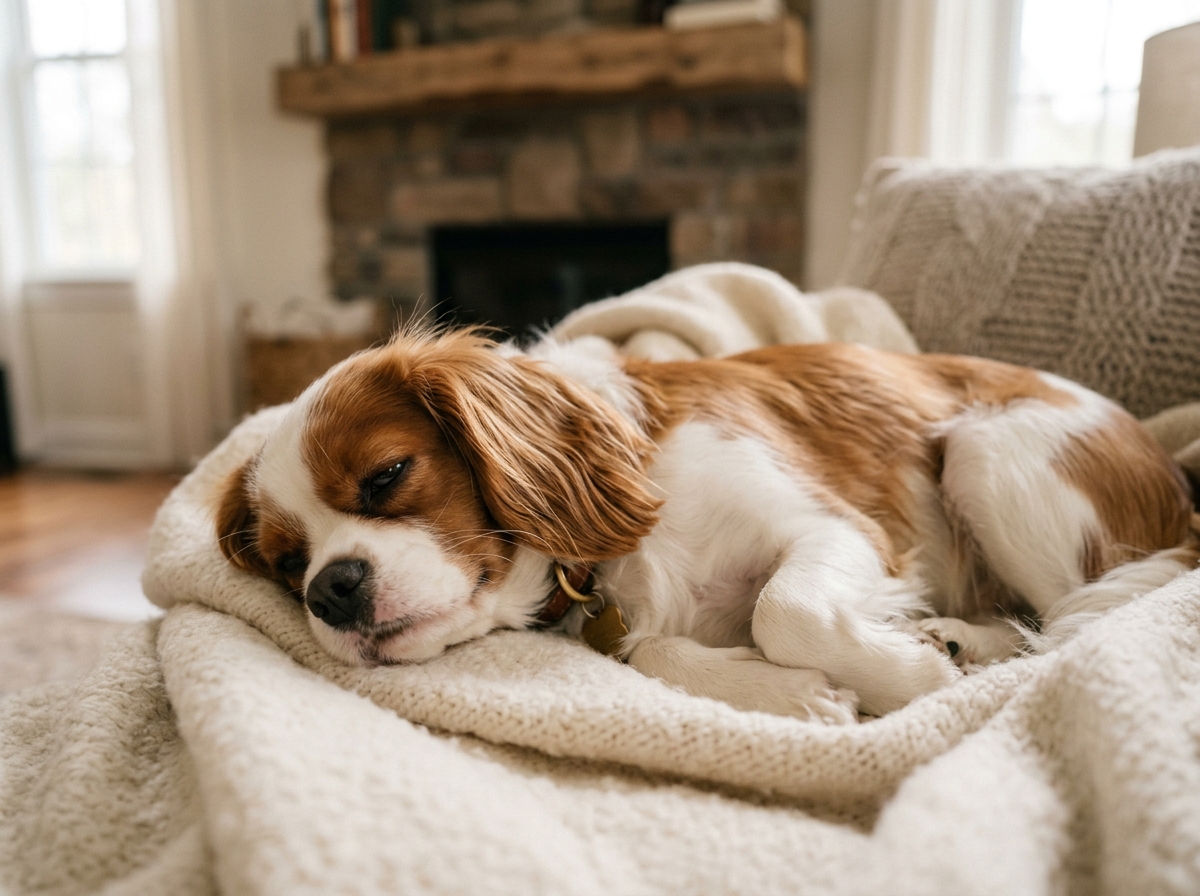
Feel Calmer
Understand anxious behavior without guessing. Learn how stress, pain, routine changes, aging, noise, separation, and health changes can affect your dog’s mood.
Help Your Dog Feel Calmer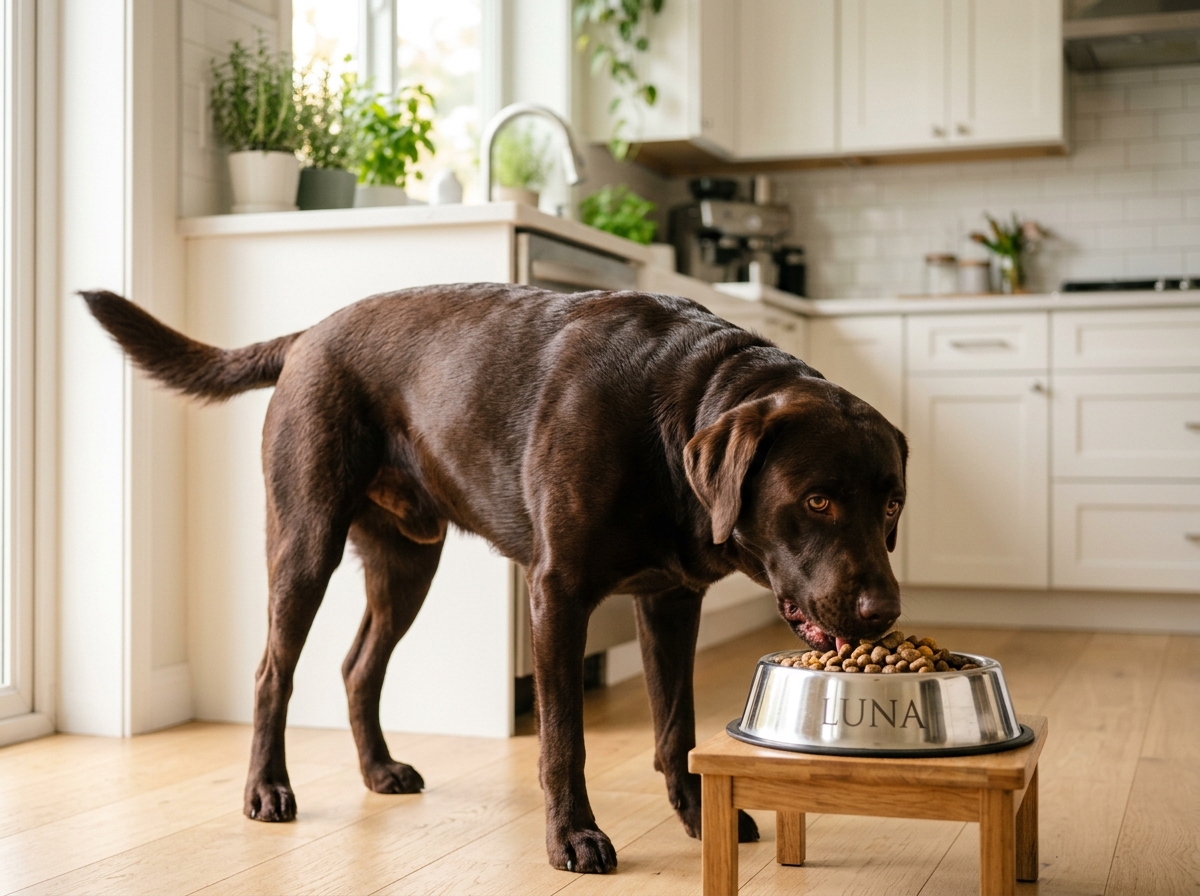
Digest Better
Learn how food, gut health, stool changes, appetite, itching, licking, and sensitive stomachs can affect your dog’s comfort and energy.
Improve Gut Health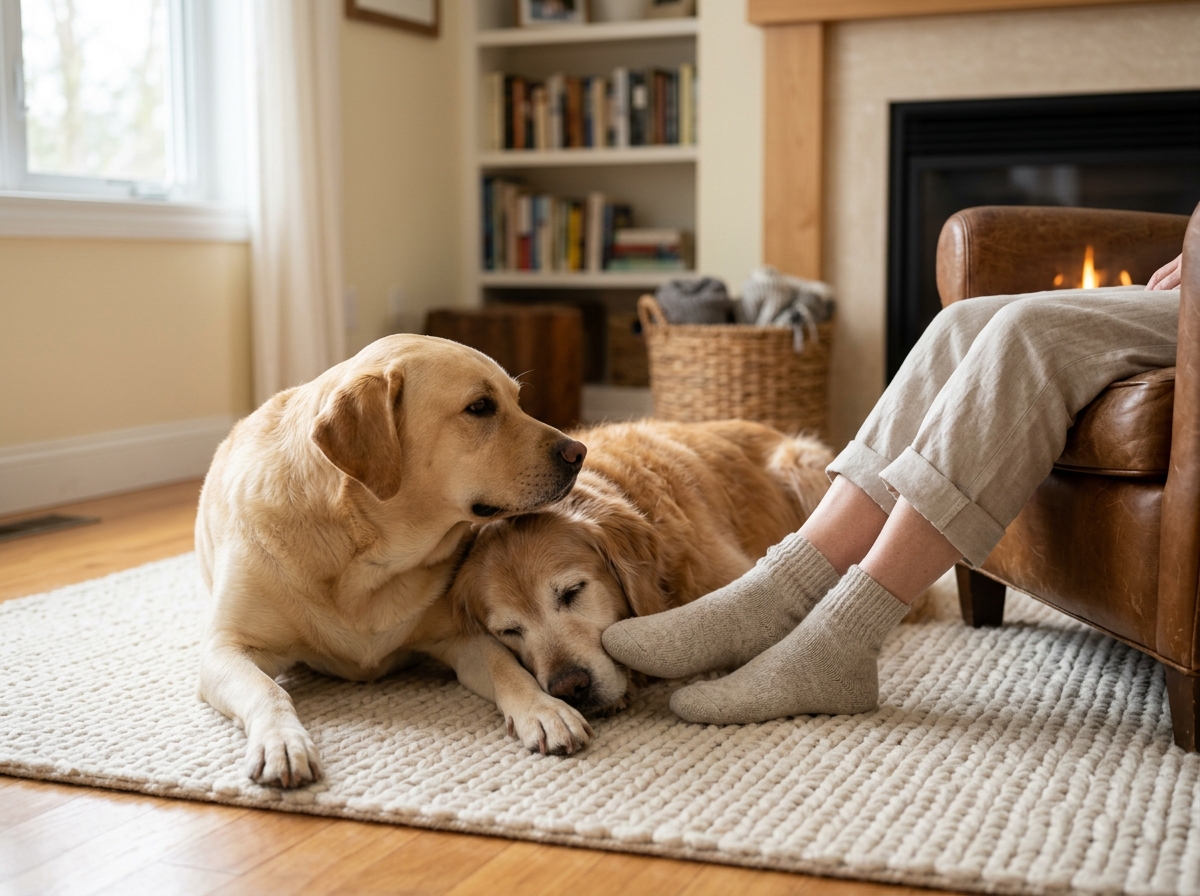
Age Healthier
Build better routines for every life stage, from puppy habits to the adult prevention years to senior comfort and dignity.
Build A Healthier Aging PlanIt’s More Than Age
Dog longevity isn’t one topic. It’s the way daily care adds up over time. Food, weight, movement, sleep, stress, dental care, home toxins, brain health, gut health, and joint comfort all play a part in how your dog feels today and how they age later.
Food and weight
Portions, treats, ingredient quality, and body condition affect how your dog feels every day.
Movement and joints
Walks, play, ramps, traction, rest, and recovery can help your dog move with more comfort.
Brain and behavior
Sleep changes, anxiety, confusion, pacing, and personality shifts can be signs worth watching.
Gut and skin
Digestion, stool changes, itching, licking, appetite, and food reactions can affect comfort and mood.
Dental health
Bad breath can point to mouth problems, and mouth comfort matters for daily quality of life.
Home toxins
Cleaners, candles, air fresheners, lawn chemicals, pesticides, plastics, and water quality deserve a closer look.
Sleep and stress
Routine, noise, rest, separation, enrichment, and household stress can change how settled your dog feels.
Early warning signs
Small changes are easier to understand when you notice them early and know what to ask your vet.
Your Dog Doesn’t Need To Be Old Before Longevity Matters
A puppy, adult dog, and senior dog need different care. The goal stays the same: more healthy, happy time together.
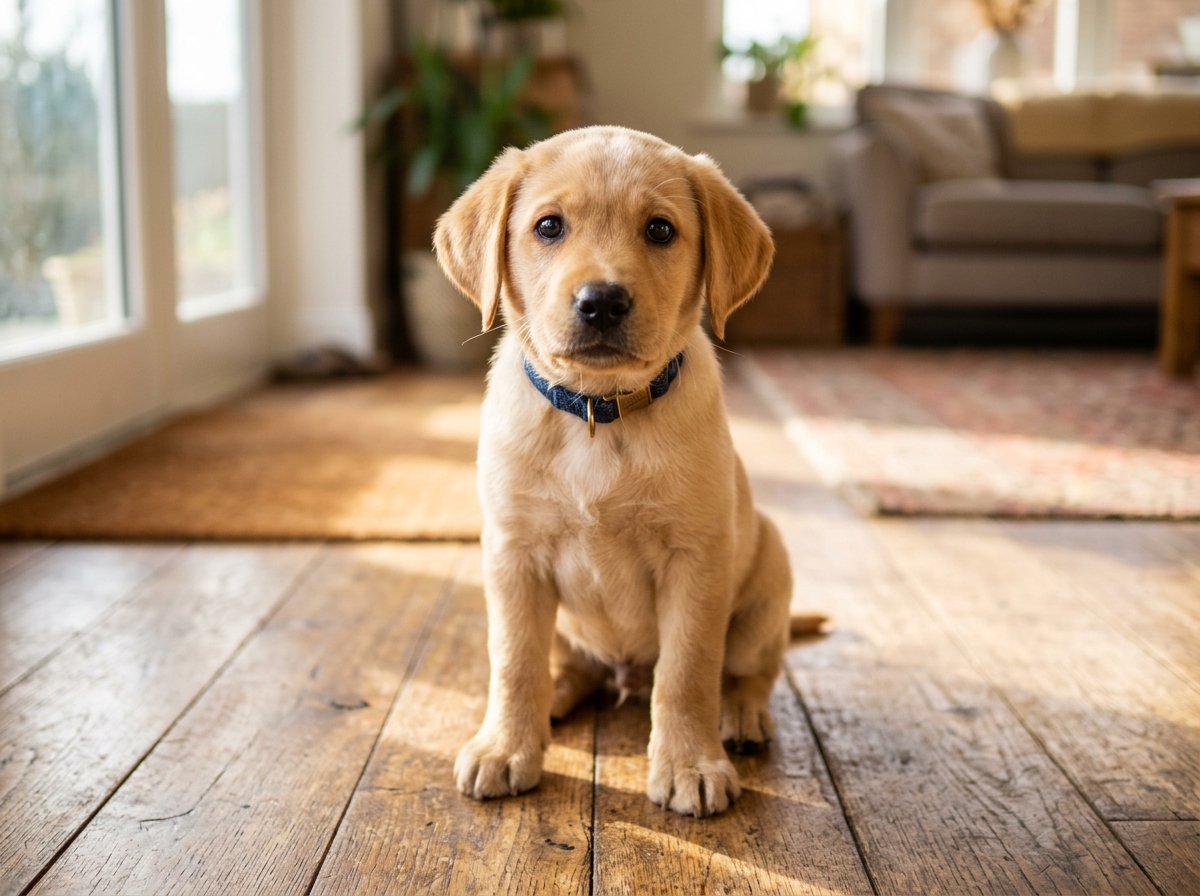
Start Early
Start the habits you’ll wish you started earlier. Focus on food, training, enrichment, dental care, safer home choices, and a routine that supports lifelong health.
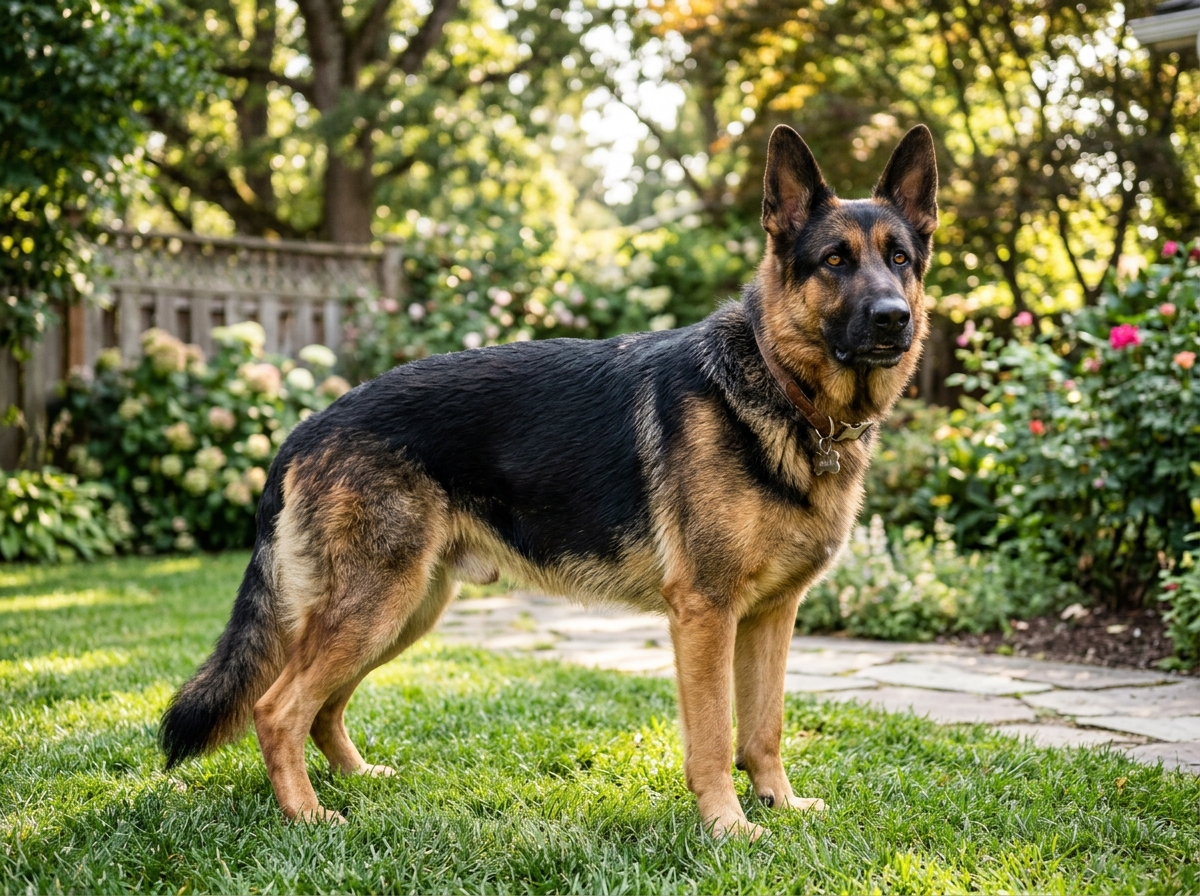
The Prevention Window
Use the healthy adult years as the prevention window. Watch weight, gut health, brain health, calm behavior, joint comfort, sleep, energy, and daily vitality.
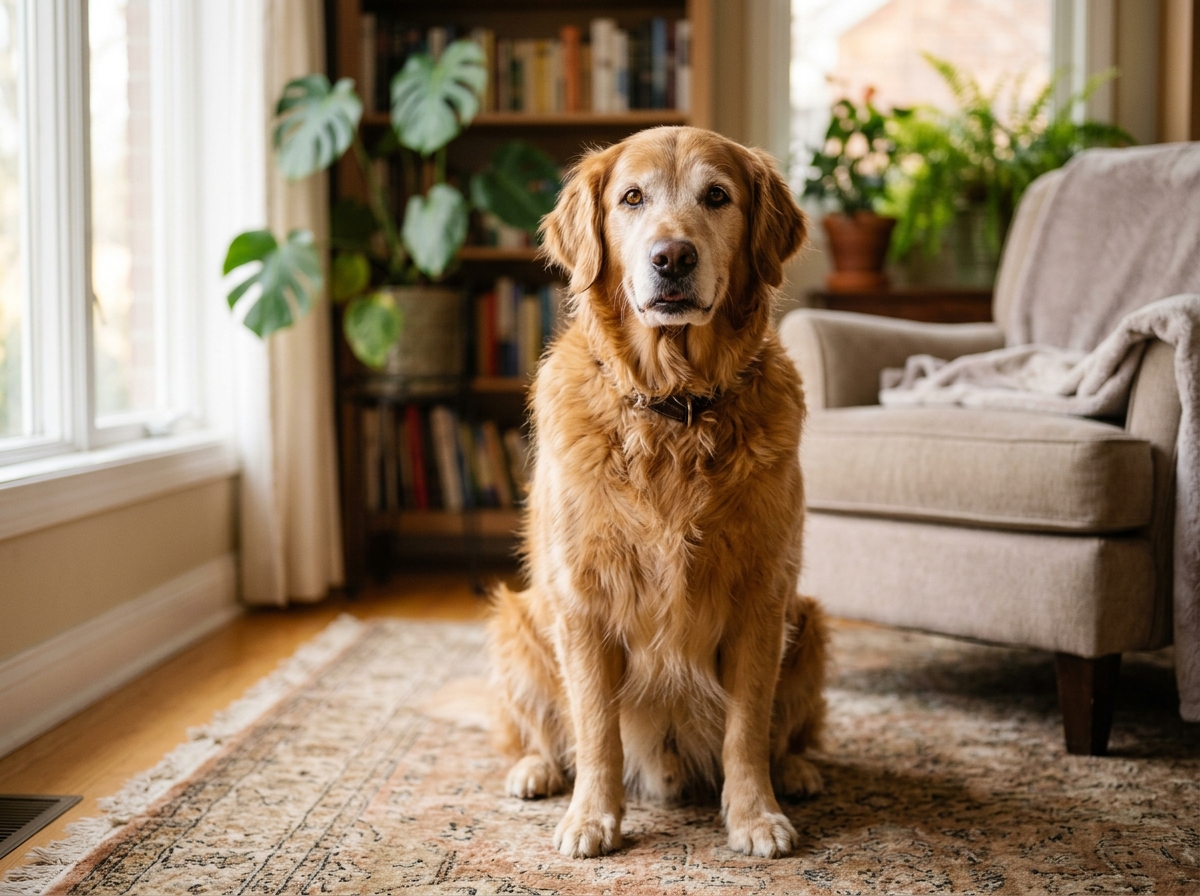
Comfort And Dignity
Support comfort, dignity, mental sharpness, easier movement, better sleep, calmer days, and the routines that help your dog stay more like themselves.
What Are You Noticing In Your Dog?
Dogs can’t tell us what hurts or feels off. They show us through the way they sleep, move, eat, play, react, and look at us. Use these questions to find the right starting point and know what to bring up with your vet.
Free Tools And Quizzes For Dog Parents
Quick, free ways to spot small changes early and know what to do next.
Dog Dementia Signs Guide
Learn the behavior, sleep, memory, anxiety, and routine changes that may deserve closer attention.
Learn About Dog DementiaDog Age Calculator
See your dog’s life stage by size, age, and breed type so you can make better care decisions.
Calculate Your Dog’s AgeDog Longevity Quiz
Answer a few quick questions about your dog’s age, habits, and daily routine to see where you can add more healthy, happy years together.
Take The Longevity QuizHome Toxin Checklist
Find common cleaners, scents, lawn products, plastics, and home exposures many dog parents miss.
Check Your HomeMobility Check
Watch for changes in stairs, jumping, rising, walking, play, and stiffness after rest.
Check Mobility SignsGut Health Starter Guide
Learn how stool, appetite, licking, itching, food changes, and digestion fit into daily comfort.
Start With Gut HealthStart With These Dog Longevity Guides
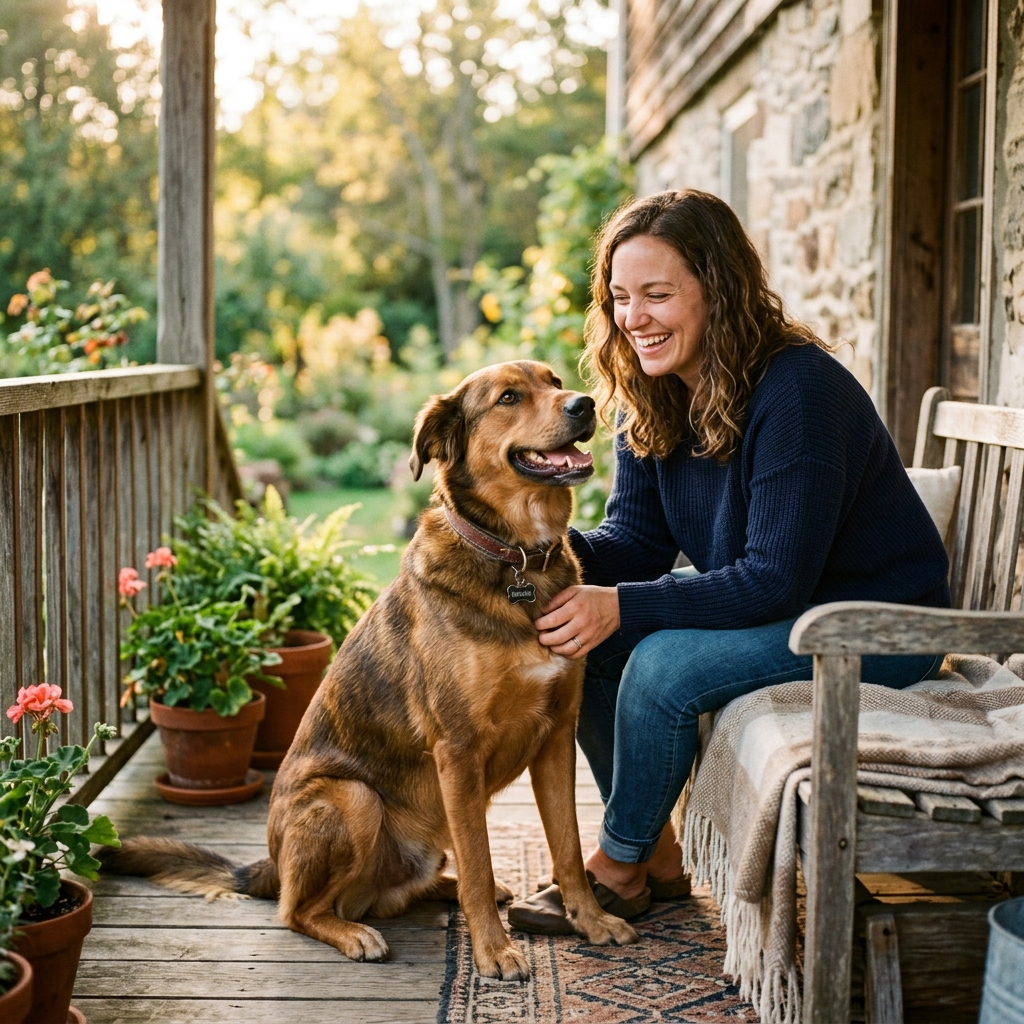
Dog Longevity Tips Every Pet Parent Should Know
The daily habits that support more healthy, happy time together.
Read Guide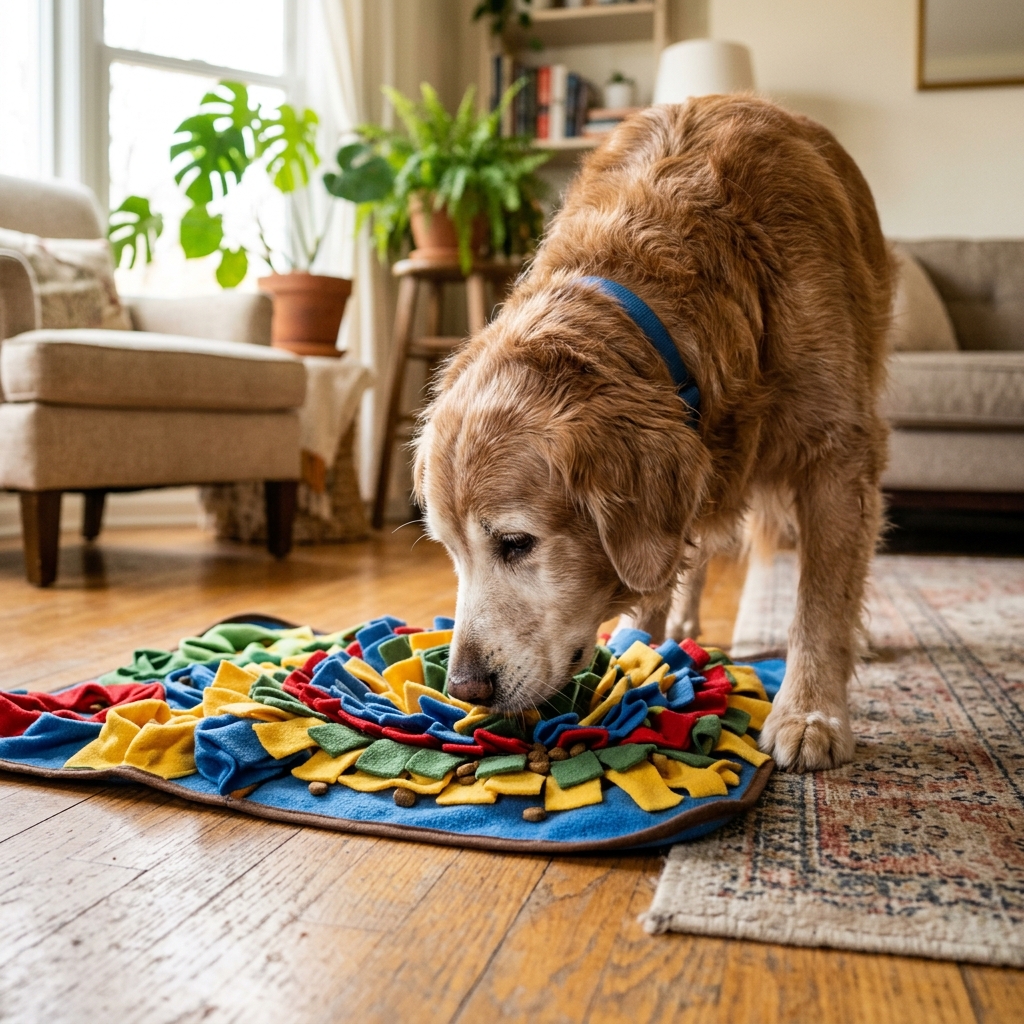
How To Help Your Dog Stay Sharp As They Age
Brain health, sleep changes, routine, enrichment, and signs worth watching.
Read Guide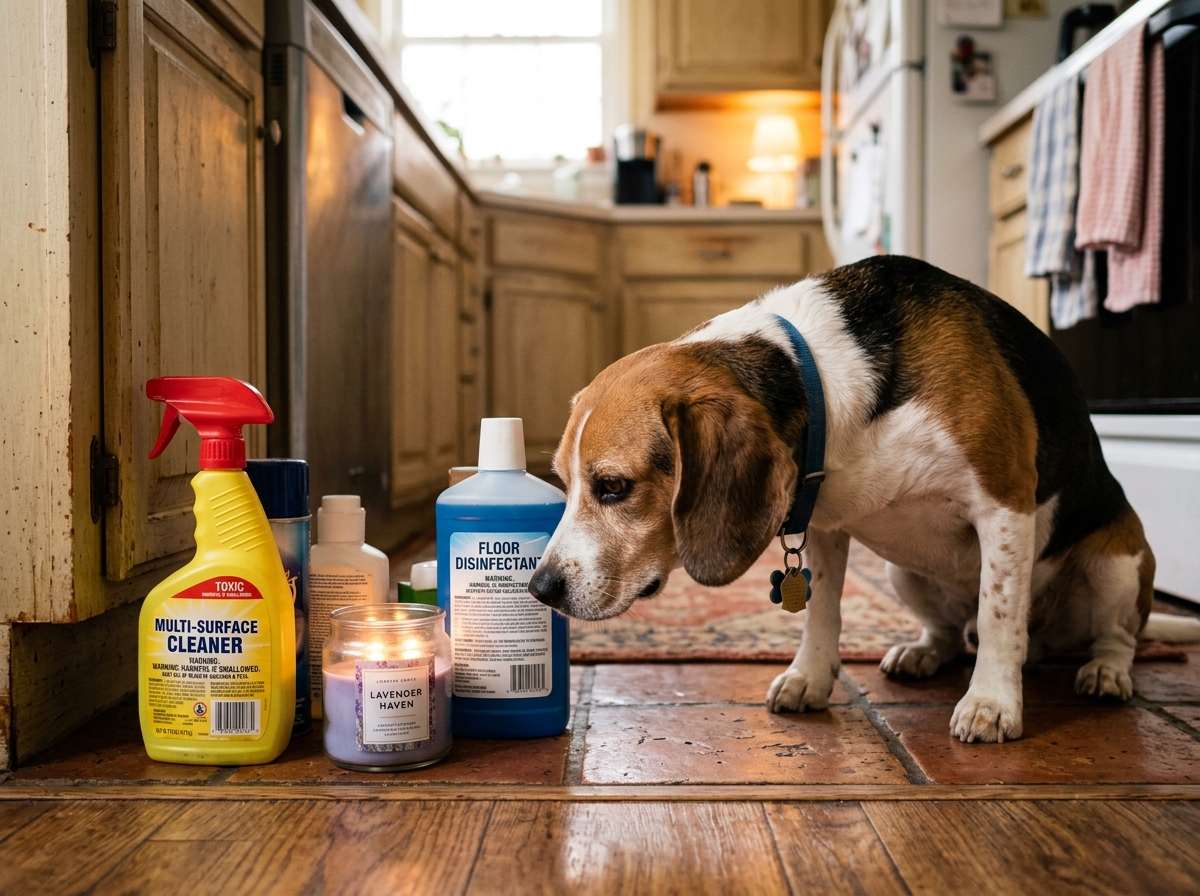
Household Toxins Dog Parents Often Miss
Cleaners, candles, air fresheners, lawn products, and safer home swaps.
Read Guide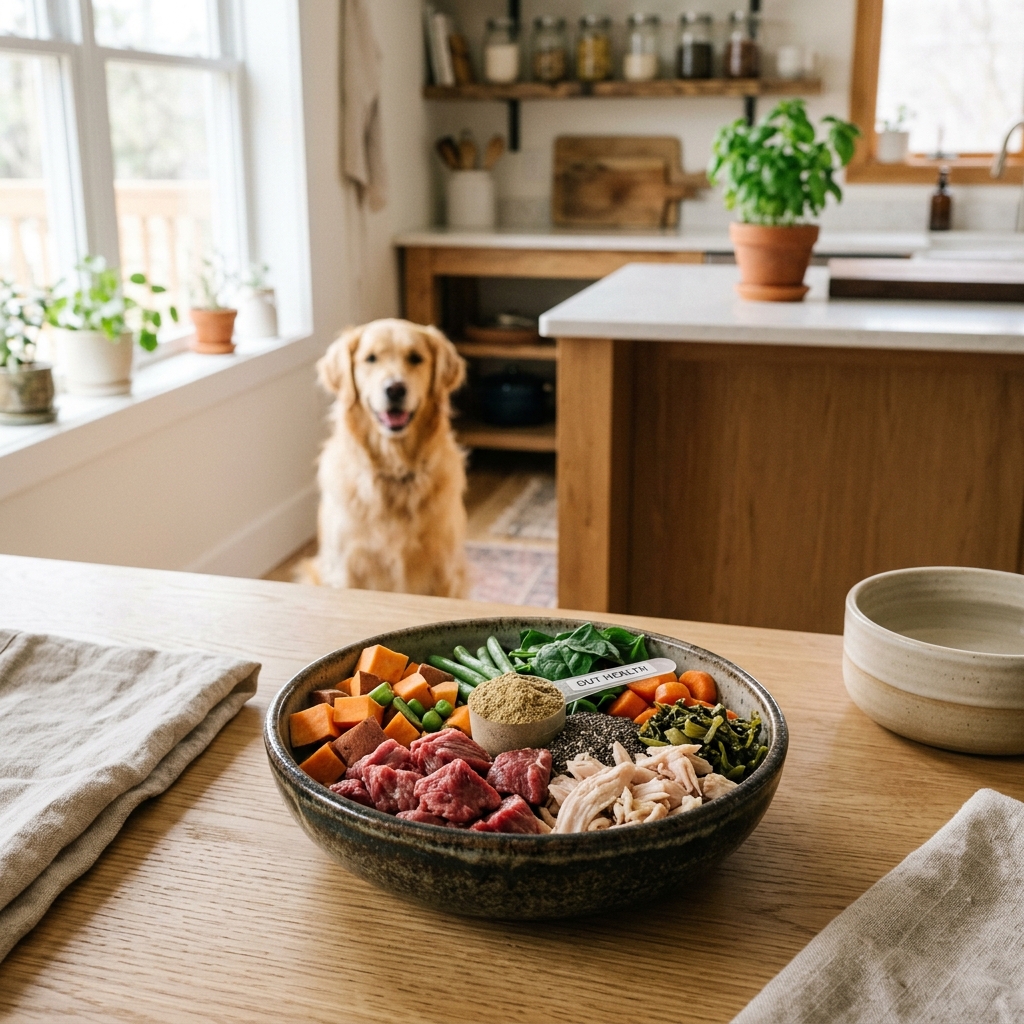
How To Support Dog Gut Health Naturally
Food, digestion, stool, appetite, itching, and comfort explained clearly.
Read Guide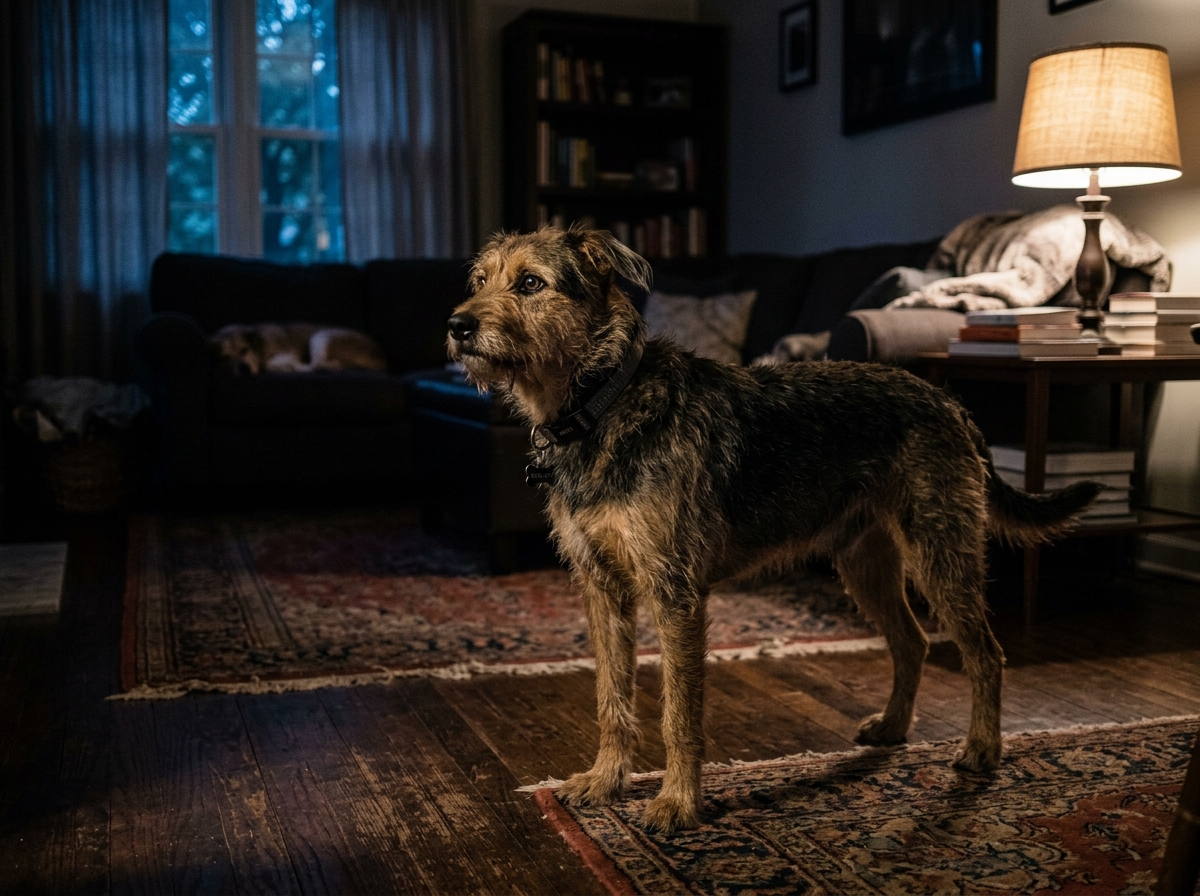
Why Your Dog May Be Pacing At Night
Pain, anxiety, sleep disruption, vision changes, and cognitive changes to discuss with your vet.
Read Guide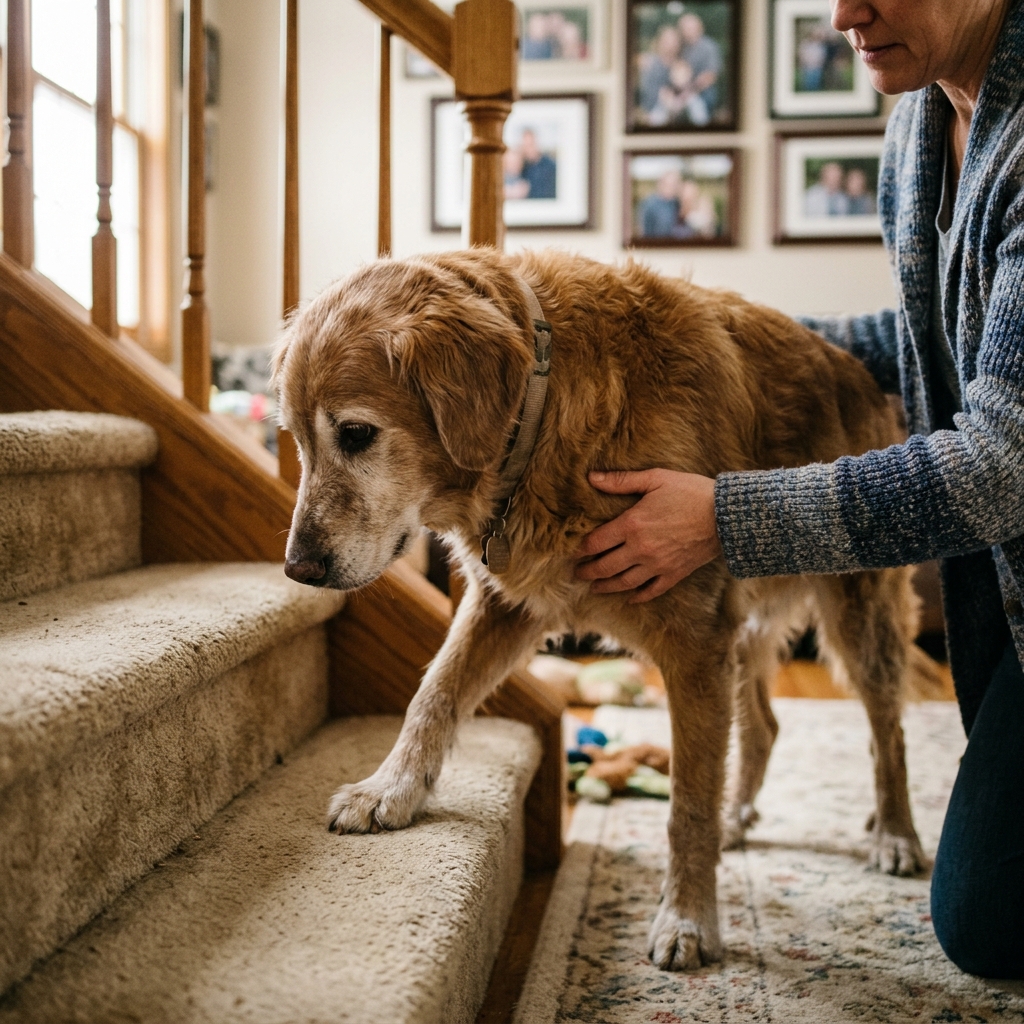
How To Help Your Dog Move More Comfortably
Joint comfort, ramps, traction, walks, recovery, and age-aware movement.
Read GuideProduct Reviews Stay On Their Own Pages
Most of this website helps you learn before you buy anything. When we review products, we put those comparisons on dedicated pages so you can see ingredients, safety notes, who each product may fit, and what to consider before buying.
We only include products we believe are worth considering for dogs we’d care for ourselves, and all links go directly to those product websites with no affiliate links used.
Use This Website To Ask Better Questions
Nothing here replaces your veterinarian. Use these guides to understand possible causes, spot patterns, and bring clearer questions to the veterinarian who knows your dog’s history.
Dog Longevity FAQ
What are the best dog longevity tips?
When should I start caring about dog longevity?
How can I help my dog get more good years?
Is dog longevity only about living longer?
What are early signs my dog may need more support?
How are dog brain health and longevity connected?
Can gut health affect how my dog feels?
What can I do if my dog seems anxious?
Should dog parents think about household toxins?
Is this website veterinary advice?
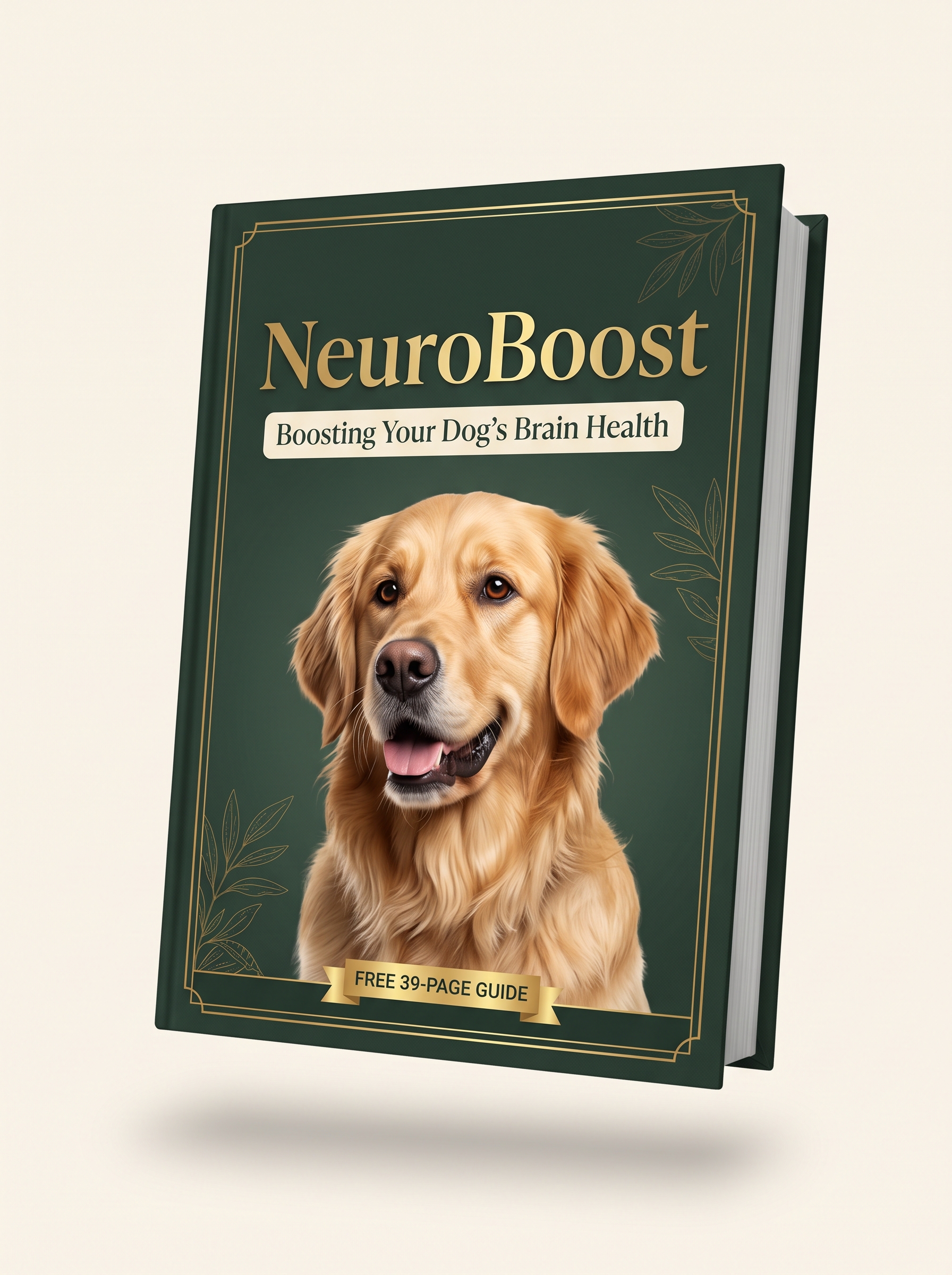
Get A Copy Of Our Favorite Dog Brain Health Book
Get instant FREE access to some of today’s top ways to help your best friend live a longer, healthier, happier life.
- 39 value-packed pages
- Simple, early-detection tips for doggie dementia
- Today’s top superfoods for your best friend’s brain
- Vet-approved tips for long-term mental sharpness
- Fun ways to test your dog’s IQ