Top Brain Superfoods for Dogs (and Why the Form Matters)
Key Takeaways
- Omega-3s, phosphatidylserine, huperzine-A, and alpha lipoic acid are studied for canine brain health.
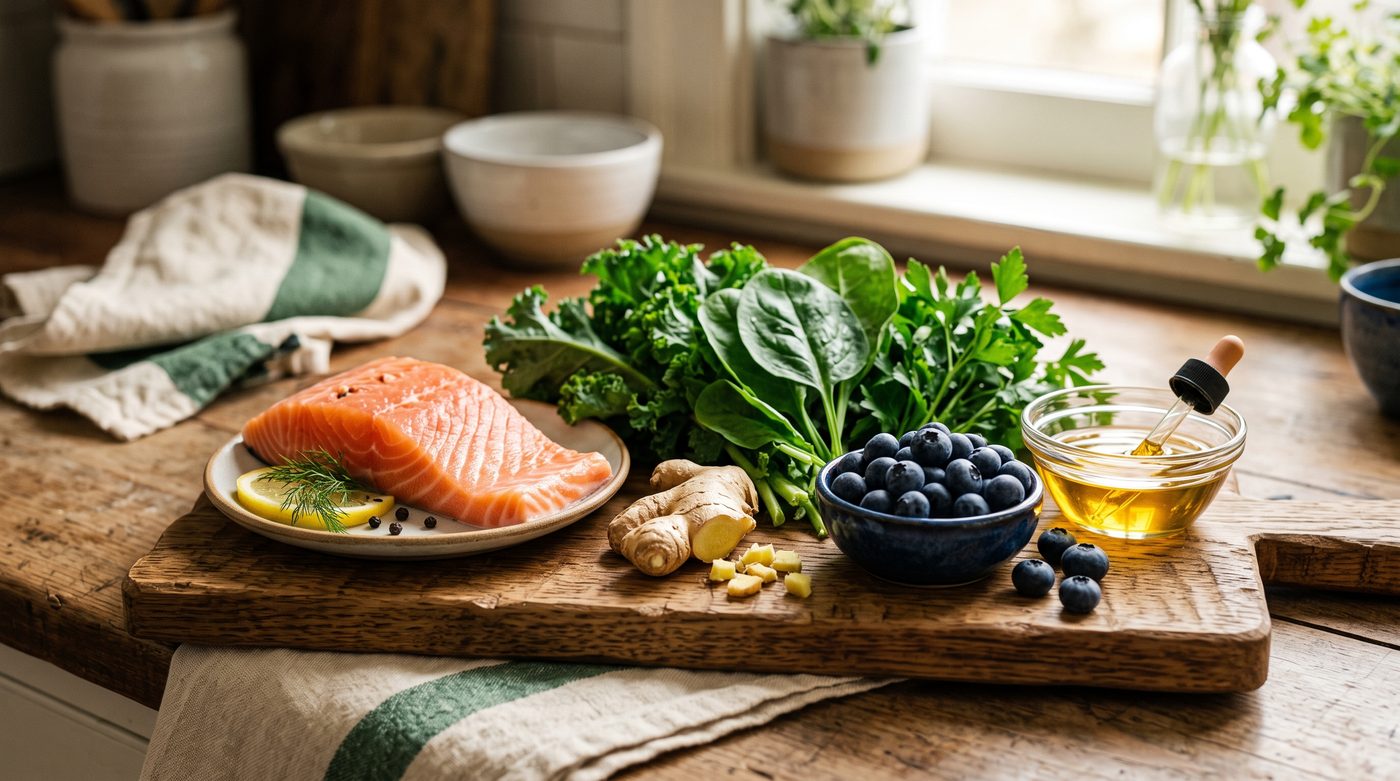
- Whole foods like fatty fish, blueberries, ginger, and greens support the brain too.
- Gut health and brain health are closely linked, so feed for both.
- The form of a nutrient matters as much as whether it is on the label.
- Freshness counts, since stale supplements can lose potency before your dog benefits.
We all want our dogs to live long, happy, healthy lives, the same thing we want for everyone else in our family.
So it is worth knowing that a handful of specific nutrients are studied for supporting a dog's brain as they age. Just as important is how those nutrients are made and whether they can actually reach the brain, because that is where many products quietly fall short.
The Nutrients Studied for a Dog's Brain
A few ingredients show up again and again in the conversation about canine cognition:
Omega-3 fatty acids
Omega-3s, like those in Norwegian salmon oil, have been studied for memory and overall brain and heart health. They are one of the most well-known nutrients for the aging brain.
Phosphatidylserine
Sometimes called the memory molecule, phosphatidylserine supports the renewal of brain cell membranes and plays a role in making neurotransmitters. It has been studied for attention and learning.
Huperzine-A
In animal studies, huperzine-A has been associated with better motor and cognitive function, lower anxiety, and support for protecting brain cells against degeneration.
Alpha lipoic acid
Alpha lipoic acid is one of the rare antioxidants that can cross into the brain, which is why we cover it in detail in why most nutrients never reach your dog's brain.
Whole Foods That Support the Brain
You do not have to start with supplements. Everyday whole foods can help too:
- Fatty fish such as salmon and sardines for omega-3s.
- Blueberries and other colorful produce for antioxidants.
- Ginger, one of the more studied ingredients for supporting a healthy gut environment, which is closely tied to the brain through the gut-brain connection.
- Leafy greens and pumpkin for fiber that supports gut and overall health.
Introduce new foods slowly and in dog-safe amounts, and check with your vet if your dog has any health conditions.
Why the Form and Freshness Matter
Here is the part most labels do not talk about. Two challenges quietly undermine a lot of dog supplements:
- Cheap forms. Many products use the least expensive version of a nutrient, often mass-produced with heavy chemicals, which can affect quality.
- Staleness. Supplements that sit on shelves for months can grow stale and lose potency long before your dog ever tastes them.
So when you compare brain support for your dog, look past the front of the label. Ask which ingredients are known to reach the brain, what form they are in, and how fresh the product actually is. That is what separates a supplement that helps from one that just looks good on paper.