Great Dane Anxiety: Signs and How to Help
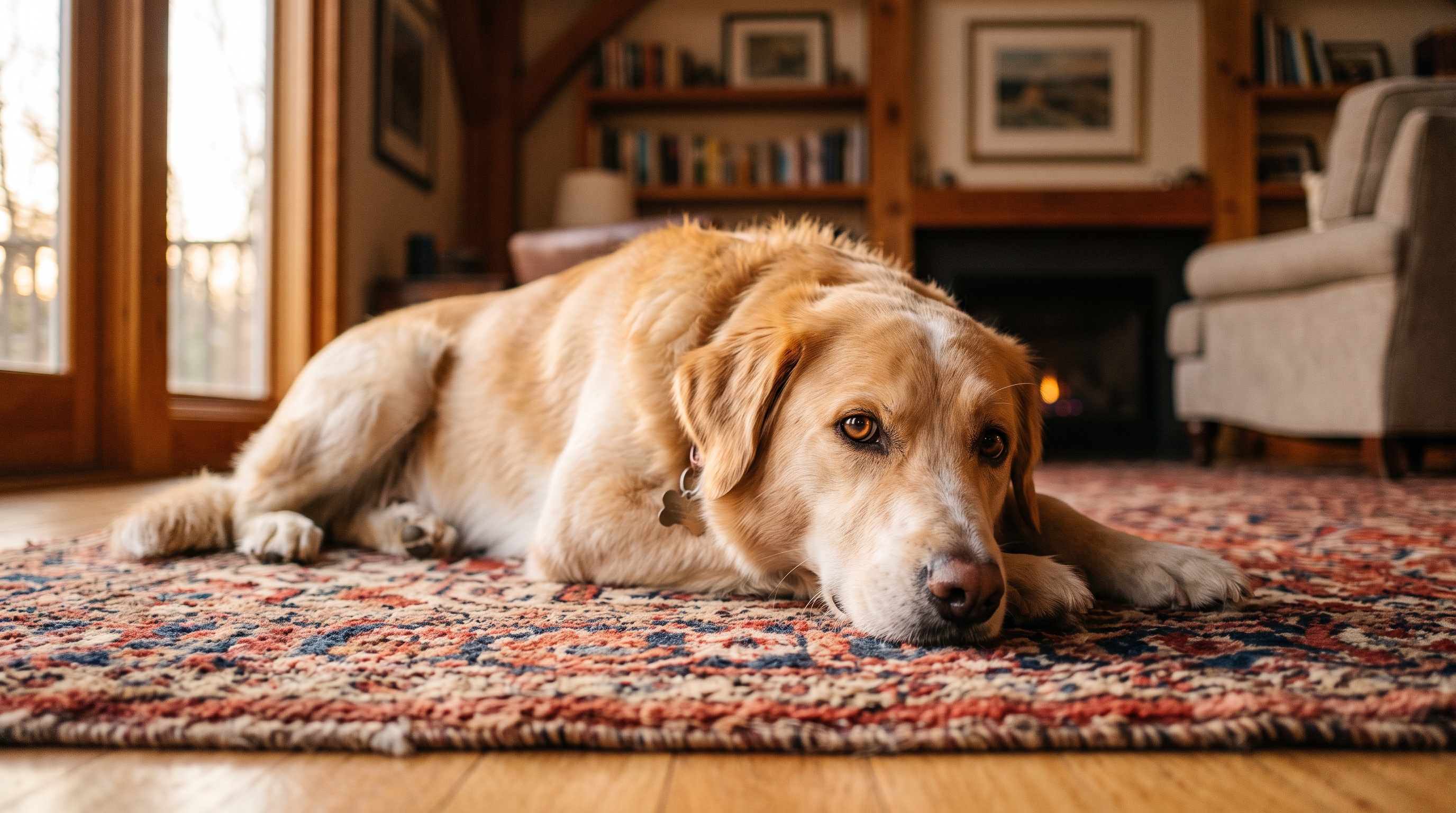
Giant Size, Short Lifespan, Early Aging
Great Danes are magnificent but brief. They live only 7 to 10 years, and they are considered senior at age 6. This means the window for enjoying a Dane's healthy adult life is small. The urgency of protecting their health and quality of life is real.
Great Danes are also sensitive dogs despite their enormous size. They are not aggressive or hyperactive. They are calm, gentle, and surprisingly emotional. That sensitivity means they struggle with separation and change. A Dane left alone experiences real distress. A Dane in a chaotic environment is an anxious Dane.
The combination of size and gentle nature creates a dog that is both powerful and vulnerable. A Dane's anxiety might not look like panic. It might show as reluctance to move, withdrawal, or clinginess. A Dane wanting to stay close to their person is showing both affection and anxiety.
Bloat and Sudden Death
Bloat, a rapidly fatal emergency, is a constant threat in deep-chested giant breeds like Great Danes. Bloat can happen suddenly, with little warning. A Dane that was fine can be dead in hours. While bloat is not predictable, some factors increase risk: eating too fast, large meals, activity right after eating, and stress.
Anxiety can contribute to bloat risk. A stressed, anxious Dane might eat faster or be more prone to the condition. Keeping your Dane calm and managing feeding carefully are practical ways to reduce risk.
Heart disease is also common in Great Danes, and early heart disease might show no obvious signs. Regular vet screening, especially as your Dane ages, is essential. Dilated cardiomyopathy can develop without obvious symptoms until it is severe.
Company, Calm, and Senior Care
Great Danes do best with regular company and a calm environment. If you work full-time, a dog walker or midday visitor helps prevent separation anxiety and gives your Dane bathroom breaks. Many Danes do well with a companion dog or cat.
Create a stable routine. Feeding at the same times, walks at predictable times, and knowing what to expect help a Dane feel secure. A calm household reduces baseline stress.
Feed carefully to reduce bloat risk. Smaller, more frequent meals are often safer than one large meal. Avoid activity right before or after eating. Use a slow feeder if your Dane eats too quickly.
Provide regular, gentle movement rather than intense exercise. Dane joints are stressed by their size, so moderate walks are better than hard running. As your Dane ages into their senior years, even shorter walks with more rest are appropriate.
Watch for changes in energy, appetite, movement, or behavior. Any changes deserve vet attention, including heart screening. Because Danes age so quickly, early detection of problems is critical.
If your Dane's anxiety is new or worsening, or if there are any signs of bloat like distended abdomen or frantic behavior, seek immediate veterinary help. Your vet can help you support your Dane's comfort and quality of life throughout their short, precious years.