How to Help Your Dog Live Longer: Practical Strategies for Longevity
Key Takeaways
- Quality nutrition is the foundation of a longer, healthier life
- Daily movement keeps joints, circulation, and the mind healthy at any age
- Deep, consistent sleep is when the body does most of its repair
- Preventive vet care catches age-related issues while they are still easy to manage
Nutrition and Diet Quality
Your dog's diet is the foundation for longevity. A balanced diet with high-quality proteins, healthy fats, and nutrient-dense ingredients supports every system in your dog's body. Dogs do well on whole foods where possible, including lean meats, fish rich in omega-3s, and vegetables that provide antioxidants.
Good food helps lower inflammation, supports the immune system, and makes a healthy weight easier to hold. Our guide to top brain superfoods for dogs covers foods that support a sharp mind in older dogs. Work with your veterinarian so your dog's food fits their age, activity, and any health concerns.
Exercise and Movement
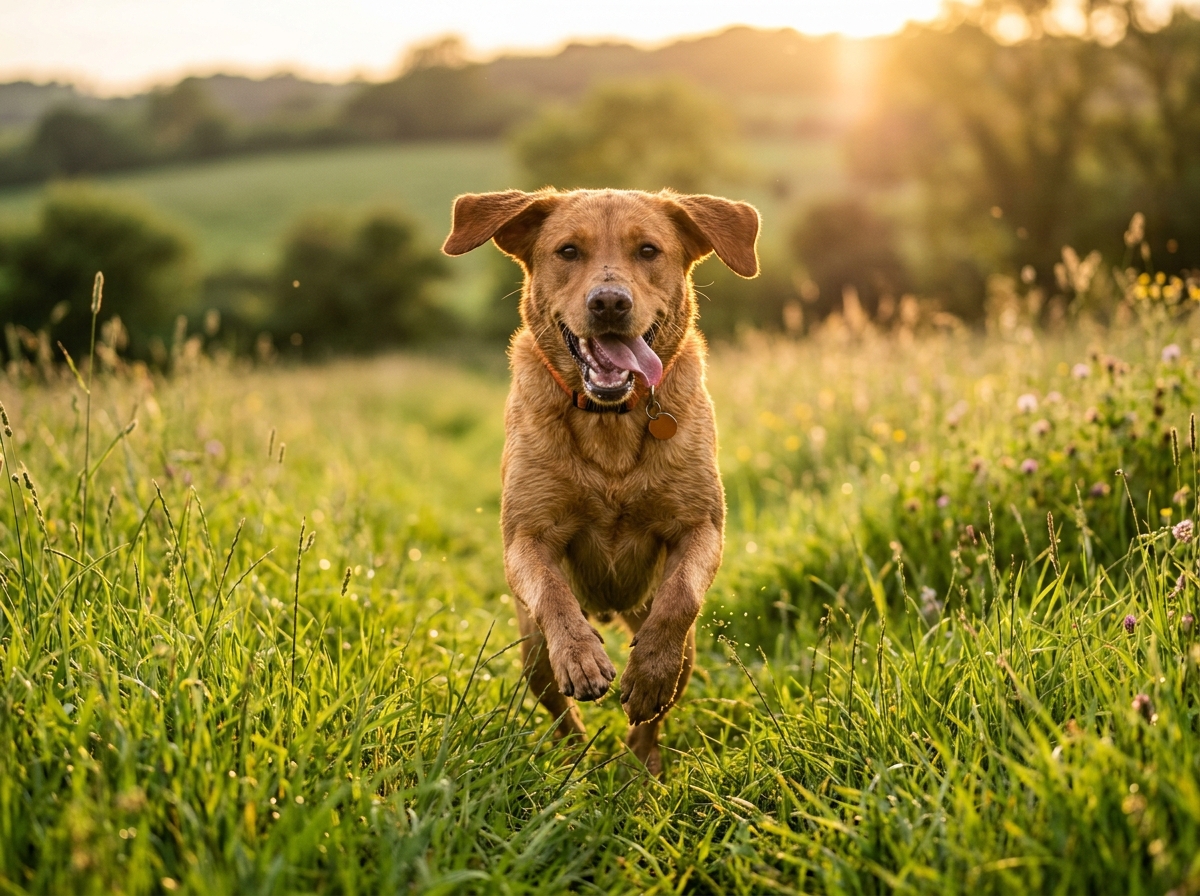
Regular movement is one of the most powerful longevity tools you have. It keeps muscles and joints strong, circulation healthy, and the heart working well. Younger dogs may want longer walks and play. For older dogs, several shorter walks often beat one long outing.
Swimming and gentle play on soft ground are easy on the joints. Aim for consistency over intensity. A dog that moves a little every day tends to age more slowly than one who is active only now and then. Even gentle daily walks make a real difference in how a dog's body ages.
Sleep and Rest
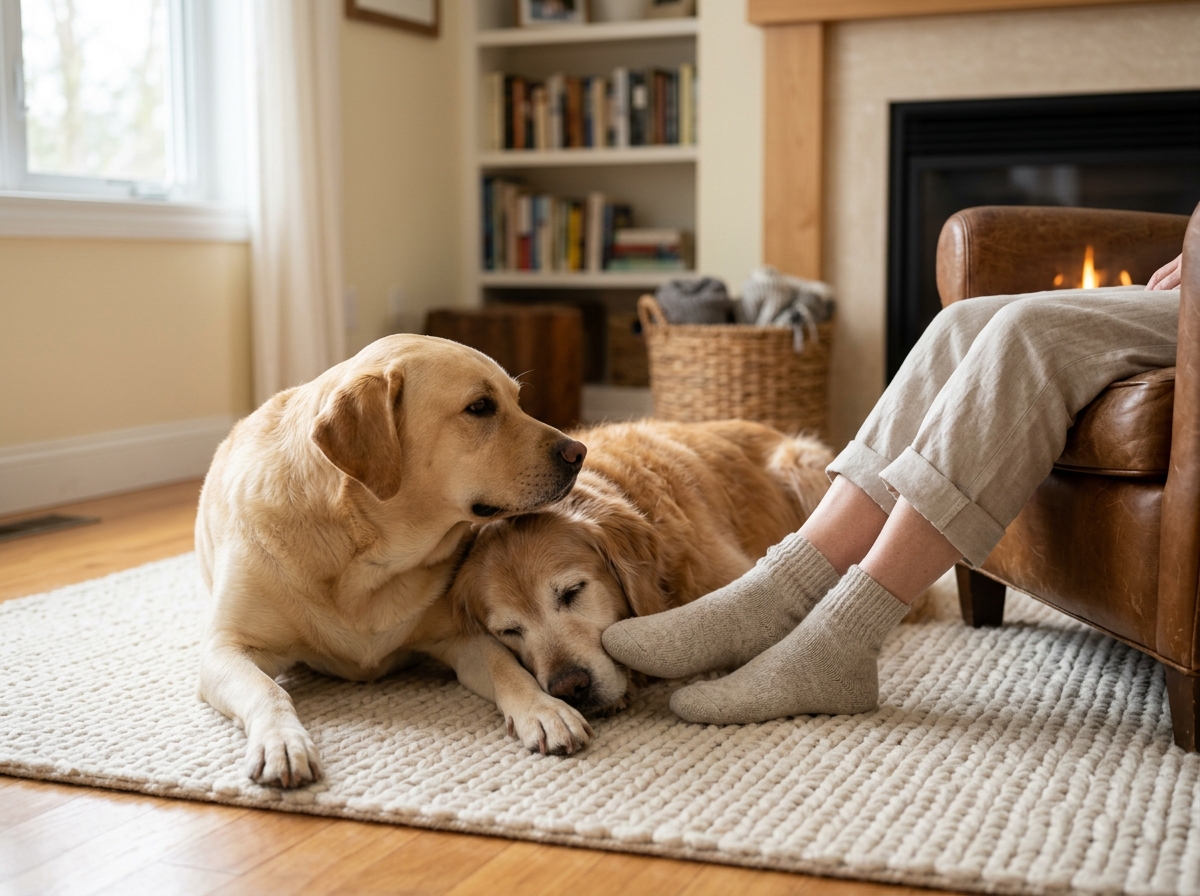
Where and how your dog sleeps matters more than most dog parents realize. Deep sleep is when the body repairs cells, settles memory, and restores energy. Most dogs sleep 12 to 14 hours a day, and seniors often need more.
A comfortable, quiet spot away from household traffic lets your dog rest fully, and a steady schedule helps. Sleep affects aging at a real, physical level. If your dog struggles to settle or wakes often, ask your vet to help you find the cause.
Preventive Veterinary Care
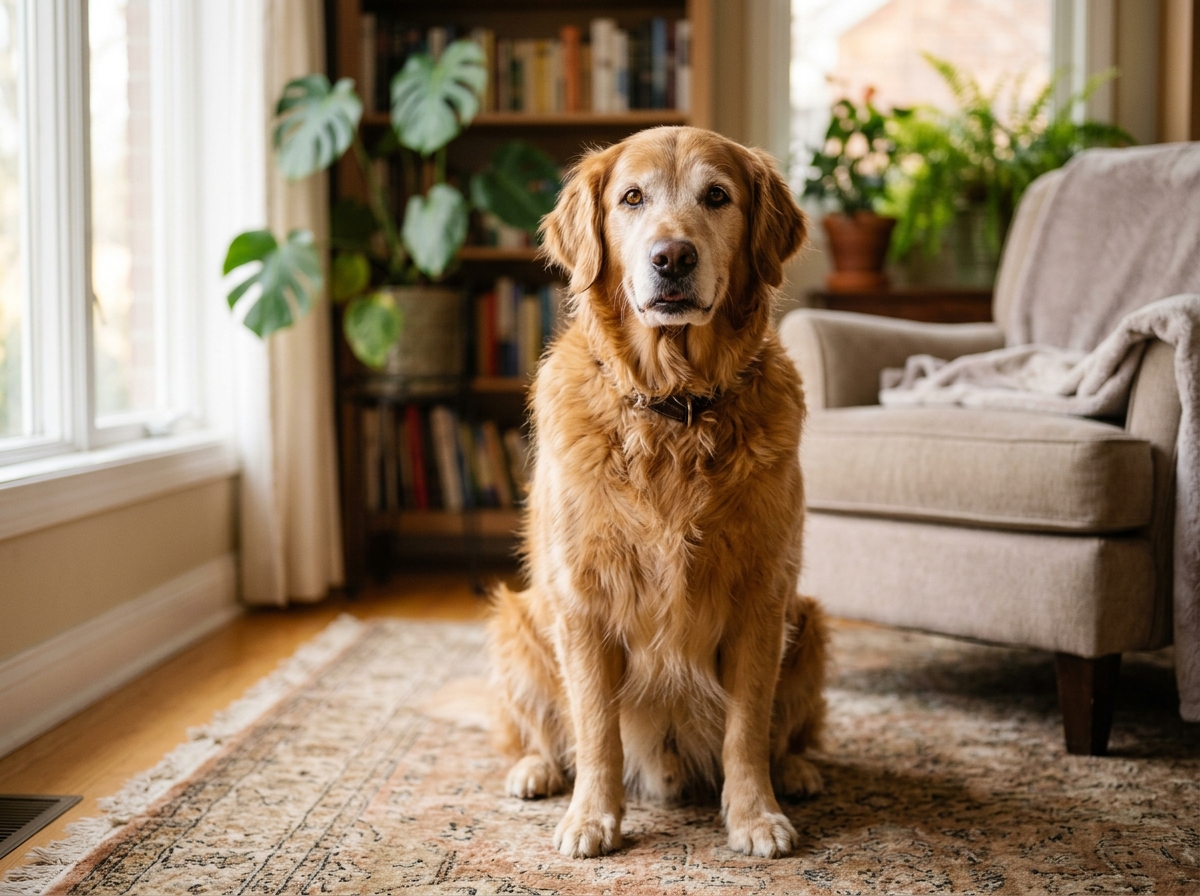
Regular wellness visits are your best early-warning system. Your vet can catch the first signs of joint problems, cognitive change, and other conditions while they are still easy to manage. Blood work and a hands-on exam show things you cannot see at home.
Dental care belongs here too, since mouth health is tied to whole-body health. Stay current on the vaccines and parasite prevention that fit your dog's age and life. Catching something early usually means a simpler fix and more good years.
Mental Stimulation and Stress
A busy mind keeps a dog engaged. Puzzle toys, short training sessions, sniff walks, and play all keep the brain working and boredom low. Dogs with engaged minds often stay more mobile and alert as they age.
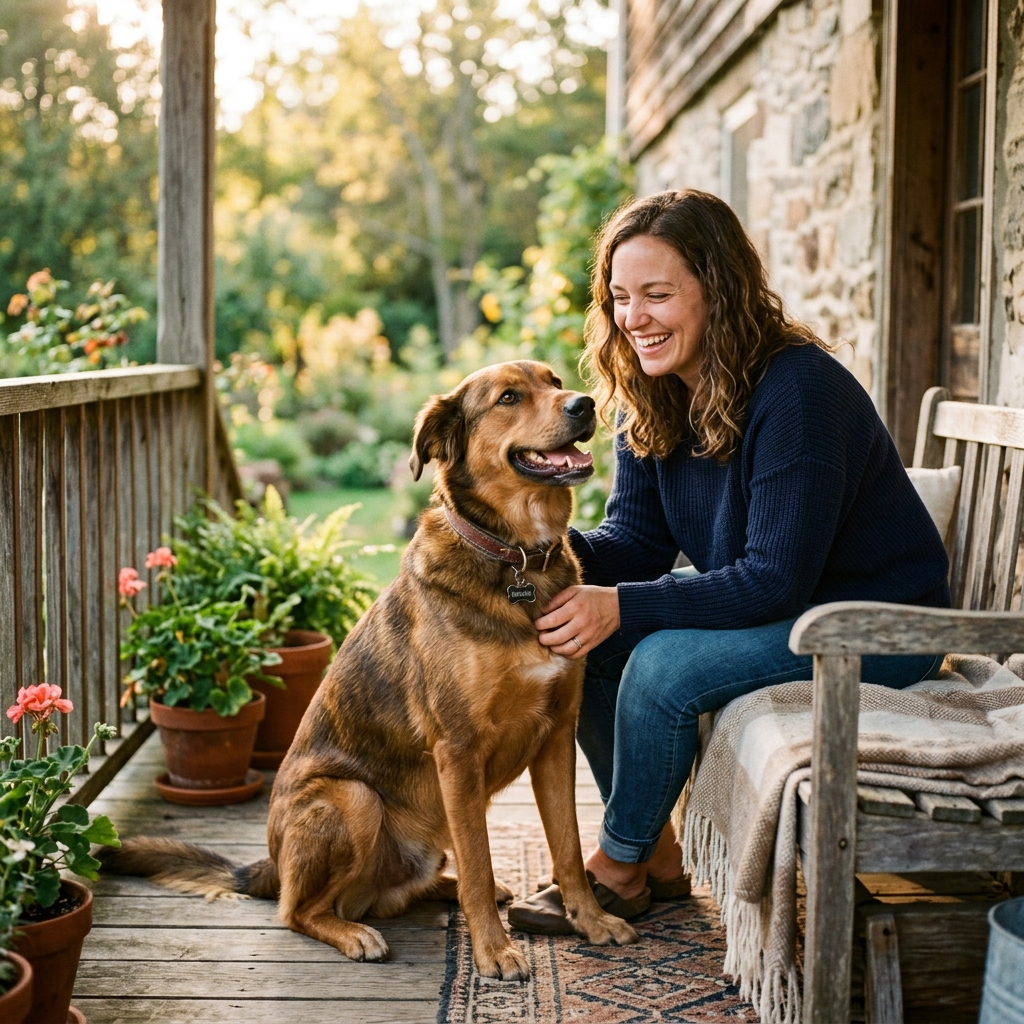
Stress management matters just as much. A calm home, steady routines, and a low-conflict household keep stress hormones down, and chronic stress speeds aging. Quiet time, gentle handling, and a predictable day do more for your dog than they get credit for.
Maintaining a Healthy Weight
Extra weight speeds up aging and raises the risk of joint disease and other problems. A good target is simple: you can feel the ribs without pressing hard, and you can see a waist from above.
If your dog is carrying extra weight, slow and steady beats a crash change. Smaller portions and the right amount of movement get you there safely. Your veterinarian can set a healthy target weight and help you build a plan to reach it.