How to Slow Aging in Dogs: Everyday, Evidence-Based Strategies
Key Takeaways
- Antioxidant-rich food helps fight the free-radical damage that drives aging
- Daily movement protects muscles, joints, circulation, and the mind
- Deep, consistent sleep is when the body repairs itself
- Early detection lets you act before change affects quality of life
Food That Supports Cellular Health
What your dog eats shapes how quickly their cells age. Antioxidant-rich foods help fight the free-radical damage that drives aging. Lean protein supports muscle as dogs get older. Healthy fats, especially omega-3s from fish, help calm inflammation across the body.
Whole foods tend to carry more usable nutrition than heavily processed kibble, and calorie balance matters since extra weight speeds aging. Learn how nutrients reach a place as protected as the brain so your feeding choices actually land where you want them.
The Role of Movement
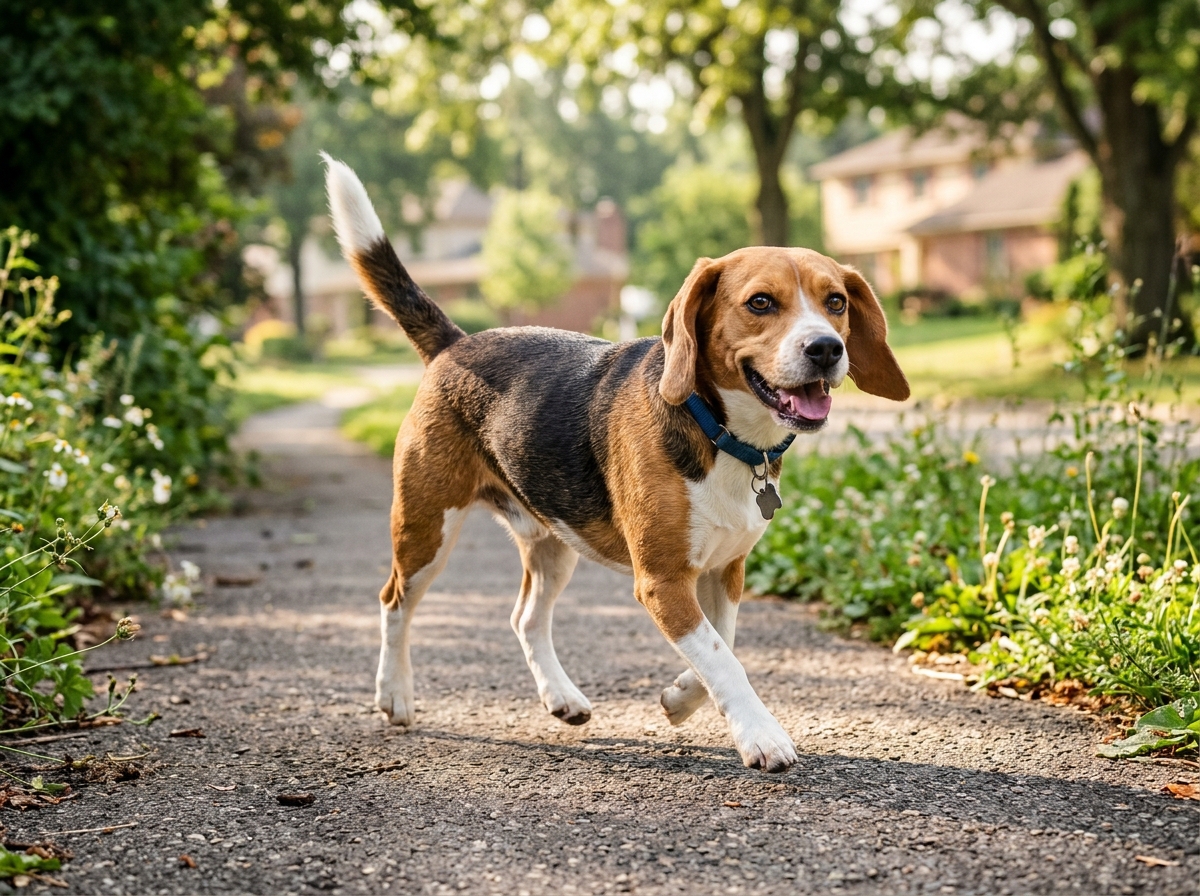
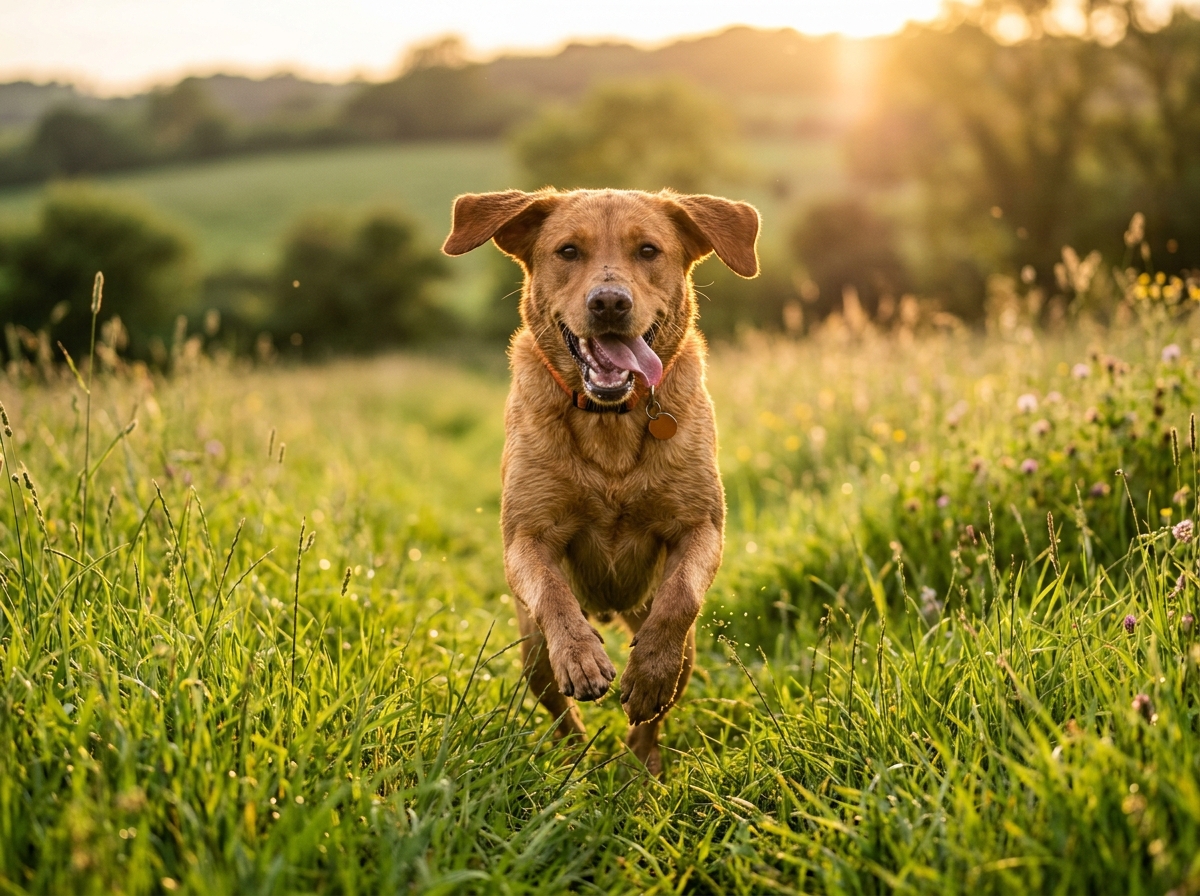
Regular movement is one of the strongest anti-aging tools you have. It keeps muscles strong, joints flexible, circulation healthy, and the heart working well. Active dogs tend to keep their mobility and sharpness longer.
Steady daily movement, even gentle walking, does more than occasional bursts of hard activity. Swimming is especially kind to older joints. The trick is finding something your dog enjoys and can keep doing for years.
Sleep and Recovery
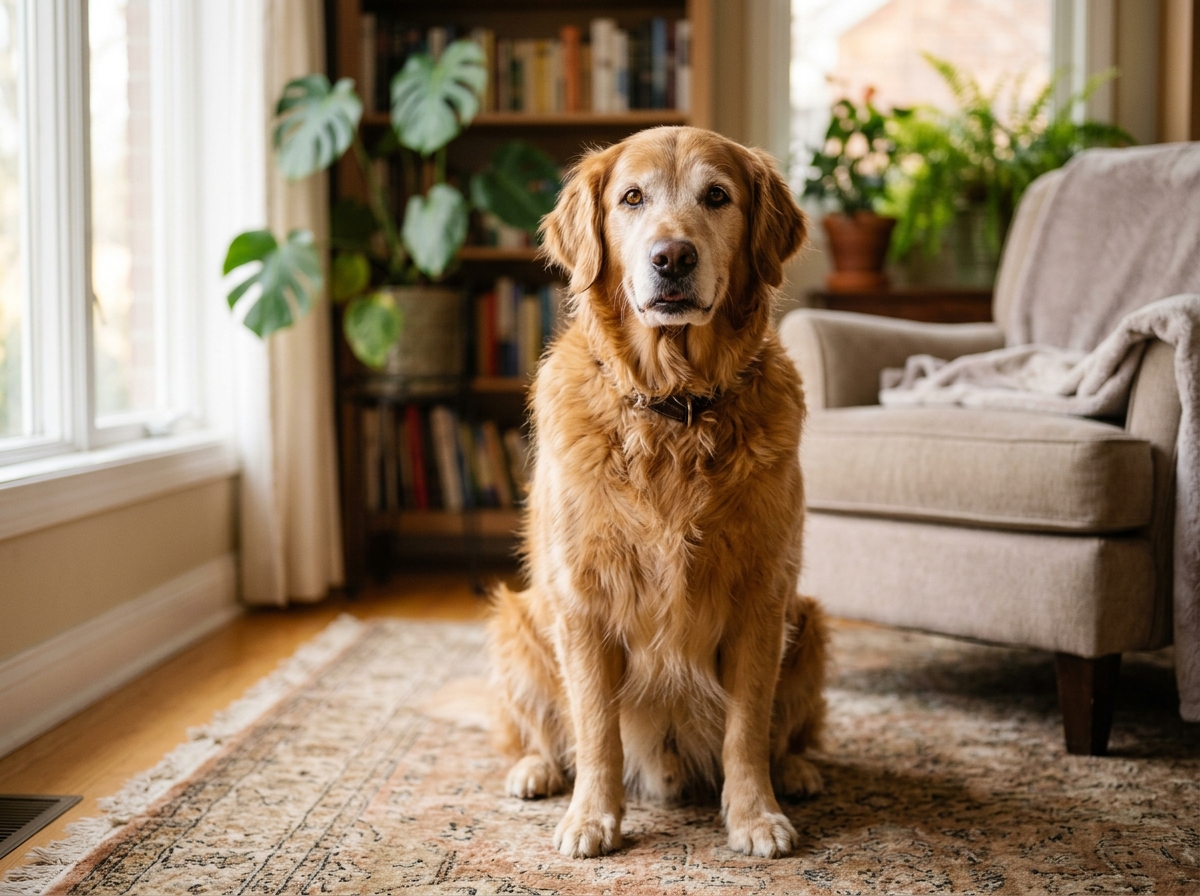
Your dog's body does most of its repair during sleep. Deep sleep is when cell damage gets fixed, hormones settle, and memory consolidates. A dog that sleeps poorly ages faster than one with steady, quality rest.
Set up the conditions for deep sleep: a quiet space, comfortable bedding, a consistent schedule, and few disturbances. Sleep patterns directly affect how a senior dog ages. If your dog cannot settle or keeps waking, talk with your vet about the cause.
Lower Stress and Enrichment
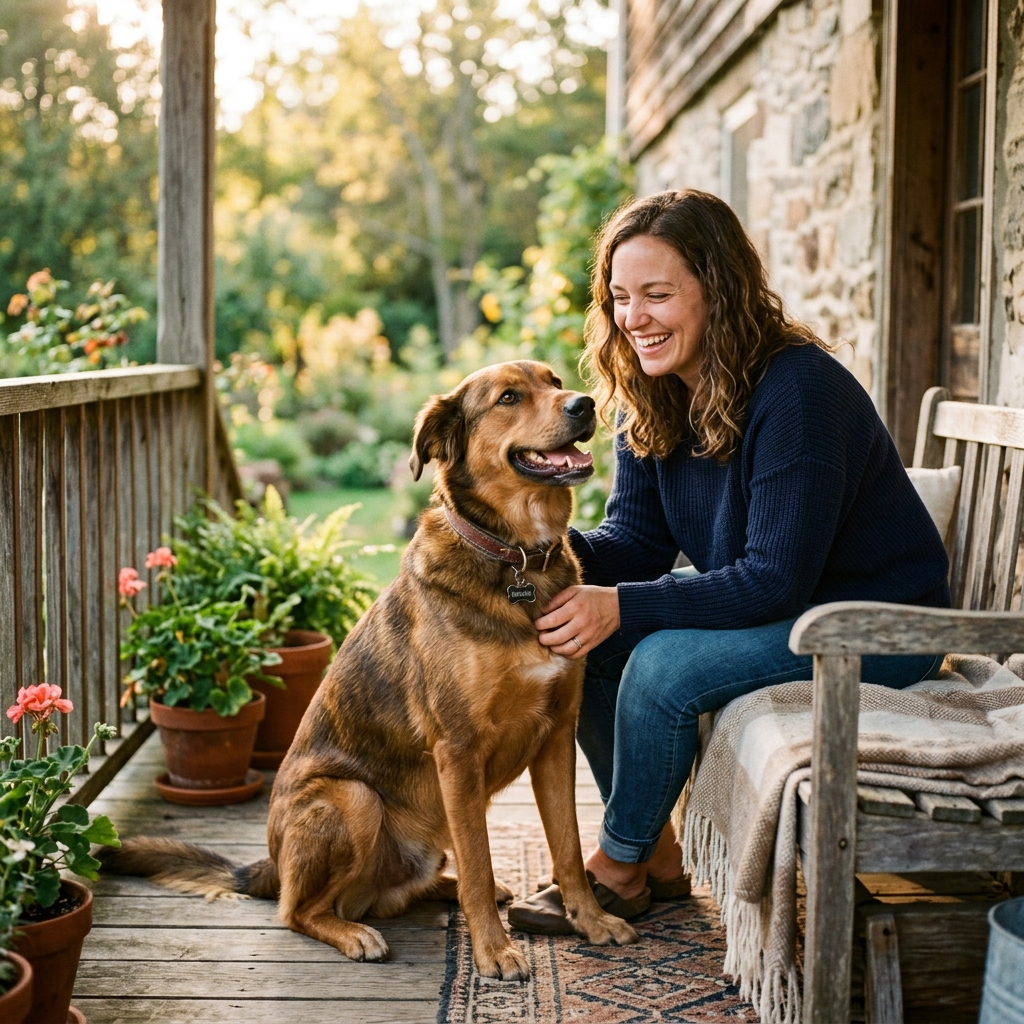
Chronic stress speeds aging by keeping stress hormones high and the body on alert. A calm, predictable home with little conflict helps a dog age more slowly, and steady routines help them feel secure.
Enrichment through puzzle toys, training, and exploration keeps the mind busy without adding stress. Gentle handling, quiet time, and a spot your dog can retreat to all bring stress down. It is an easy factor to overlook and a meaningful one to get right.
Early Screening and Detection
Catching age-related change early lets you act before it becomes a real problem. Annual exams for younger dogs should become twice-yearly exams for seniors. Blood work and physical exams reveal changes you cannot see at home.
Dental screening matters here too, since mouth disease speeds aging across the body. Finding arthritis, cognitive change, or a metabolic issue early means earlier, easier management. Your vet is your partner in spotting trouble while it is still small.