Mixed Breed Anxiety: Signs and How to Help
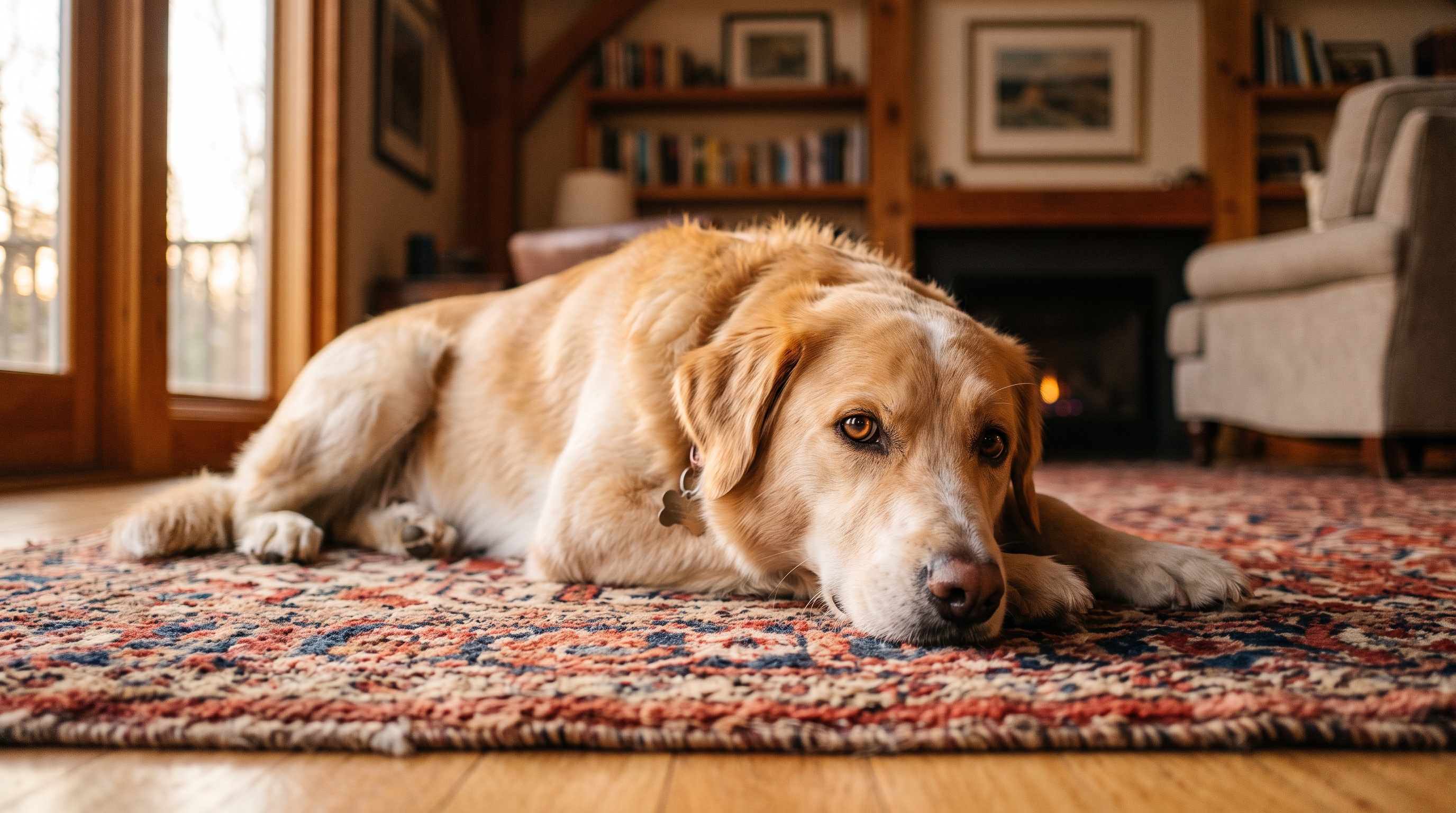
Why Your Mixed-Breed Dog May Be Anxious
No two mixed-breed dogs are alike. Your dog's anxiety might come from one dominant breed in the mix, a combination of traits that amplify worry, or from something in their early life before they came to you. A mix that carries retriever softness and herding alertness will show anxiety differently than a mix with terrier drive and guardian genes.
Genetic diversity often gives mixed-breed dogs an advantage in health and longevity compared to purebreds, but it also means unpredictability. You might see separation stress from a retriever background, noise reactivity from a herding line, or guarding anxiety from protective genetics, all in the same dog.
Your dog's anxiety is not a flaw. It is a signal that something in their environment or body is causing discomfort. Paying attention to when and how your dog shows worry is the first step to understanding what helps.
Reading Your Dog's Anxiety Pattern
Start by noticing what happens right before your dog gets anxious. Does leaving the house trigger pacing or destructive behavior? Does a thunderstorm send them to hide? Do they pace during meal prep, as if afraid they will not be fed? These patterns point to what your dog needs.
Mixed-breed dogs often benefit from knowing their breed mix better. If you have DNA results or background history, explore what those breeds were bred to do. A dog with sighthound DNA might chase shadows and move restlessly. A dog with livestock-guardian genes might alarm-bark at small sounds. Understanding the source is half the work.
Since every mixed-breed dog's anxiety is individual, so is the path forward. Some dogs need more exercise, some need more routine, some need a calm companion, and some need to see their vet because pain or illness is fueling the worry. Your close observation is the tool that finds what works for your dog.
Supporting Your Mixed-Breed Dog
Create a stable routine so your dog knows what to expect each day. Predictability reduces baseline anxiety in most dogs. Feed at the same times, walk at the same times, and keep changes to a minimum when you can.
Give your dog an outlet for whatever drives are strongest in their mix. A dog with terrier DNA might need digging opportunities or puzzle toys. A dog with retriever blood might need to carry things or play fetch. Exercise the mind as much as the body.
If your dog's anxiety is new or worsening, or if it is paired with changes in appetite, energy, or bathroom habits, schedule a vet visit. Pain, illness, and aging can all drive or worsen anxiety. Your veterinarian can rule out medical causes and help you build a plan that fits your unique dog. Many anxious mixed-breed dogs thrive once their owners understand what they need.