Retriever Anxiety: Signs and How to Help
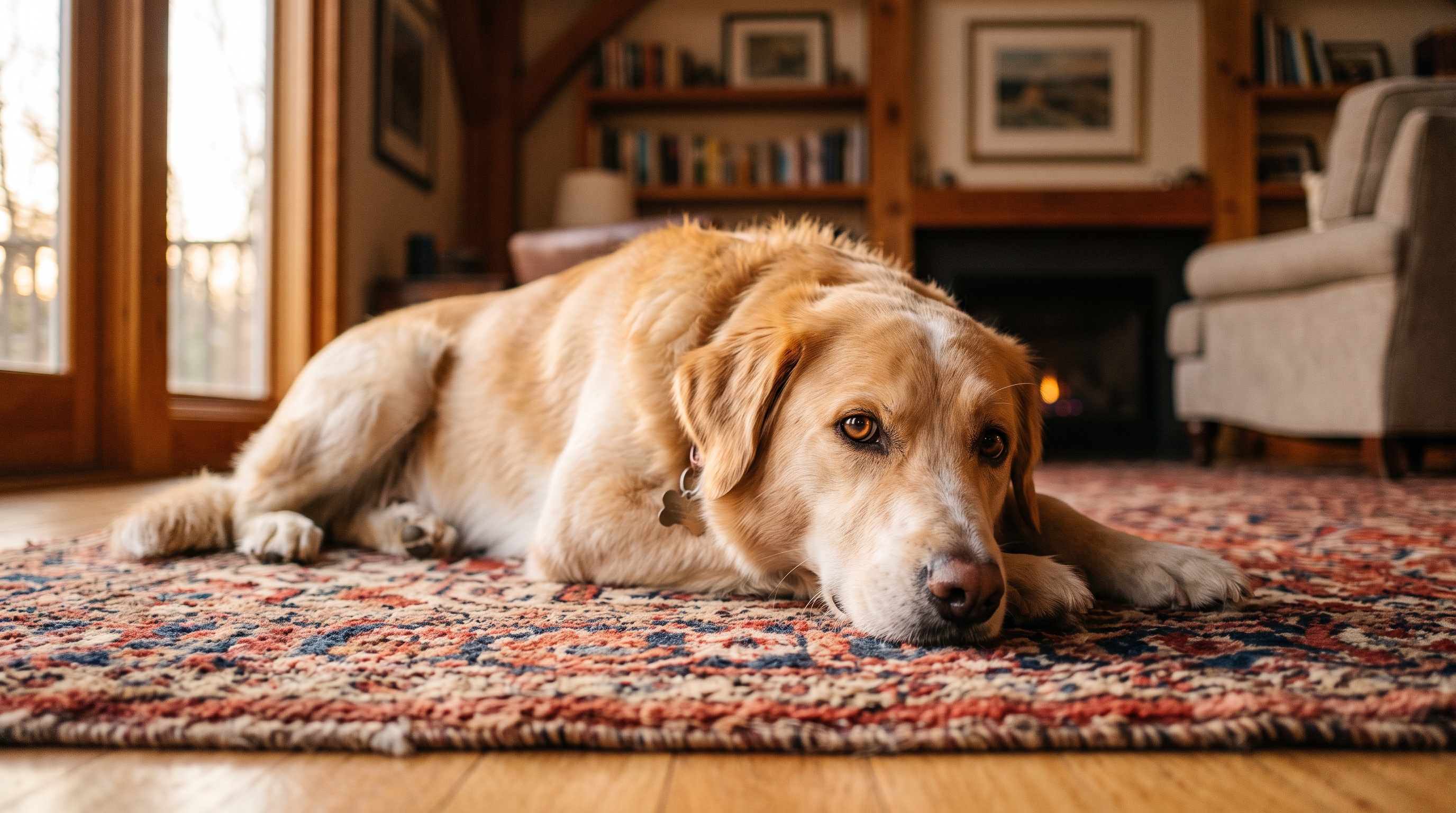
The Retriever's Deep Bond and Separation Stress
A retriever's whole personality is built around being with people. They were bred to work alongside hunters, to stay close and read cues. This makes them joyful companions at home, but it also means they struggle when left alone for long periods. A retriever sitting by the door waiting for you is not just being sweet. They are experiencing real distress.
Retriever separation anxiety often looks like pacing, whining, destructive behavior, or loss of appetite when you leave. Some retrievers become hyperactive the moment you come home, unable to settle because the reunion is so big for them. Others go quiet and shut down. Both are signs that time alone feels unsafe.
The challenge with retrievers is that they are so naturally happy and food-motivated that owners sometimes miss the underlying anxiety. Your retriever might greet you with a wagging tail and an open mouth, but inside they have been stressed the whole time you were gone. Attention to the small signs matters.
Why Retrievers Hide Discomfort
Retrievers were bred to work through pain and fatigue, to push forward no matter what. This loyalty and toughness are beautiful traits on a hiking trail or in a working environment. At home, this trait becomes a liability. A retriever with hip dysplasia, arthritis, or joint strain will often hide it until the problem is severe.
A retriever that moves stiffly in the morning or slows down on walks might have joint pain, especially as they enter their senior years around age 7. They might still want to play because retrievers live for the game, but the pain of moving is creating background anxiety. A retriever that gains weight more easily as they age is at higher risk for joint stress, and that stress can tip into worry behavior.
Your retriever's wagging tail is not a signal that they are fine. Senior retrievers benefit from consistent, gentle movement rather than hard sprints. A short, easy walk twice a day is often better than one long run. If you notice your retriever is reluctant to move, is struggling to get up from rest, or is panting when they used to be quiet, talk to your vet about joint pain and anxiety together.
Building Security and Movement
Retrievers do best when they know what to expect. Feeding at the same times, walking at the same times, and having a calm place to rest reduces the overall anxiety. When you must leave, a crate or safe room familiar to your dog is often better than an open house. Some retrievers feel more secure with a predictable spot that is theirs.
Dog-walker visits or a friend stopping by mid-day can break up long stretches of alone time for a retriever that struggles. Even 30 minutes of company can shift the anxiety significantly. Some retrievers do better with a second dog, but that is a bigger step and only works if both dogs are compatible.
Moderate, consistent movement is calming for most retrievers. A gentle walk in the morning and evening, with time to sniff and be outside, often reduces anxiety. Play and exercise are important, but not at the cost of joint stress, especially as your retriever ages. A retriever that is content and moving pain-free is a calmer dog. If your retriever's anxiety is new or has gotten worse, or if it is paired with changes in movement, appetite, or bathroom habits, talk to your vet. Pain, illness, and aging can all drive anxiety, and your vet can help sort out what is happening.