Beagle Separation Anxiety and How to Help
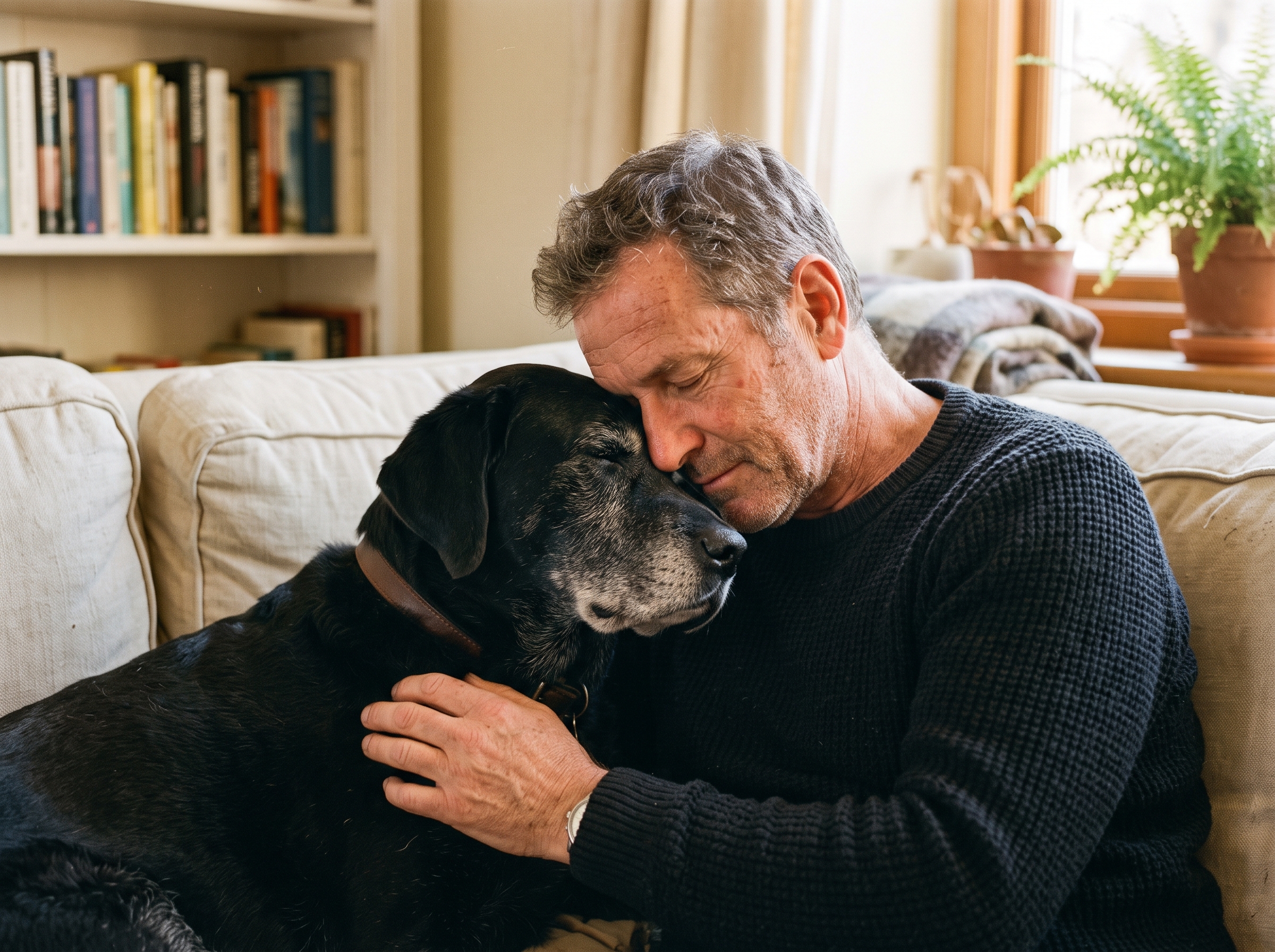
The Pack Animal Left Behind
Beagles were bred to hunt in packs, reading other dogs and working as a coordinated team. That pack nature runs deep. A Beagle alone isn't just missing a person; they're missing the entire structure and social scaffolding their DNA expects. Solitude feels wrong, unsafe, and unnatural. Most Beagles respond to this distress by vocalizing. They howl, bay, and bark persistently, sometimes for hours. This isn't rudeness or attention-seeking; it's their genuine distress call. A Beagle is literally trying to call the pack back together. They also have an incredibly strong nose and scent drive, which keeps them young and engaged. But their tendency toward weight gain works against their longevity, and an anxious Beagle that stress-eats compounds the problem.
Persistent Vocalization and Stress
Beagles howl and bay when anxious. This isn't a subtle sign; it's loud and persistent. Many Beagles develop separation-related vocalization that continues throughout the entire alone time, frustrating neighbors and worrying owners. Some Beagles also become destructive, particularly focusing on doors and windows. Others develop compulsive sniffing or pacing. Because Beagles are scent-driven, some redirect their anxiety into obsessive sniffing or seeking smells. Watch for changes in eating habits: some Beagles stress-eat, others refuse food. Monitor weight carefully. An anxious Beagle that paces, vocalizes, and eats from anxiety can quickly develop weight problems that shorten their lifespan.
Building Confidence and Tolerance
Start with extremely short absences: two minutes. Leave and return before your Beagle starts vocalizing. Repeat this many times until it feels normal. Gradually extend the time. Practice departures several times daily, at random times, so the routine loses its triggering power. Use their scent drive to your advantage: leave a slow-feeder packed with a scent-based puzzle, or hide treats around their space for them to find. This engages their natural drive productively. Create a calm pre-departure routine: a sniff walk, then quiet alone time. Keep arrivals and departures absolutely neutral; no excited greetings or frantic goodbyes. Never leave your Beagle alone while they're vocalizing, or they'll learn that howling works. If your Beagle's separation vocalization is severe or not improving with consistent practice, talk to your vet about behavioral support.