Bernedoodle Separation Anxiety and How to Help
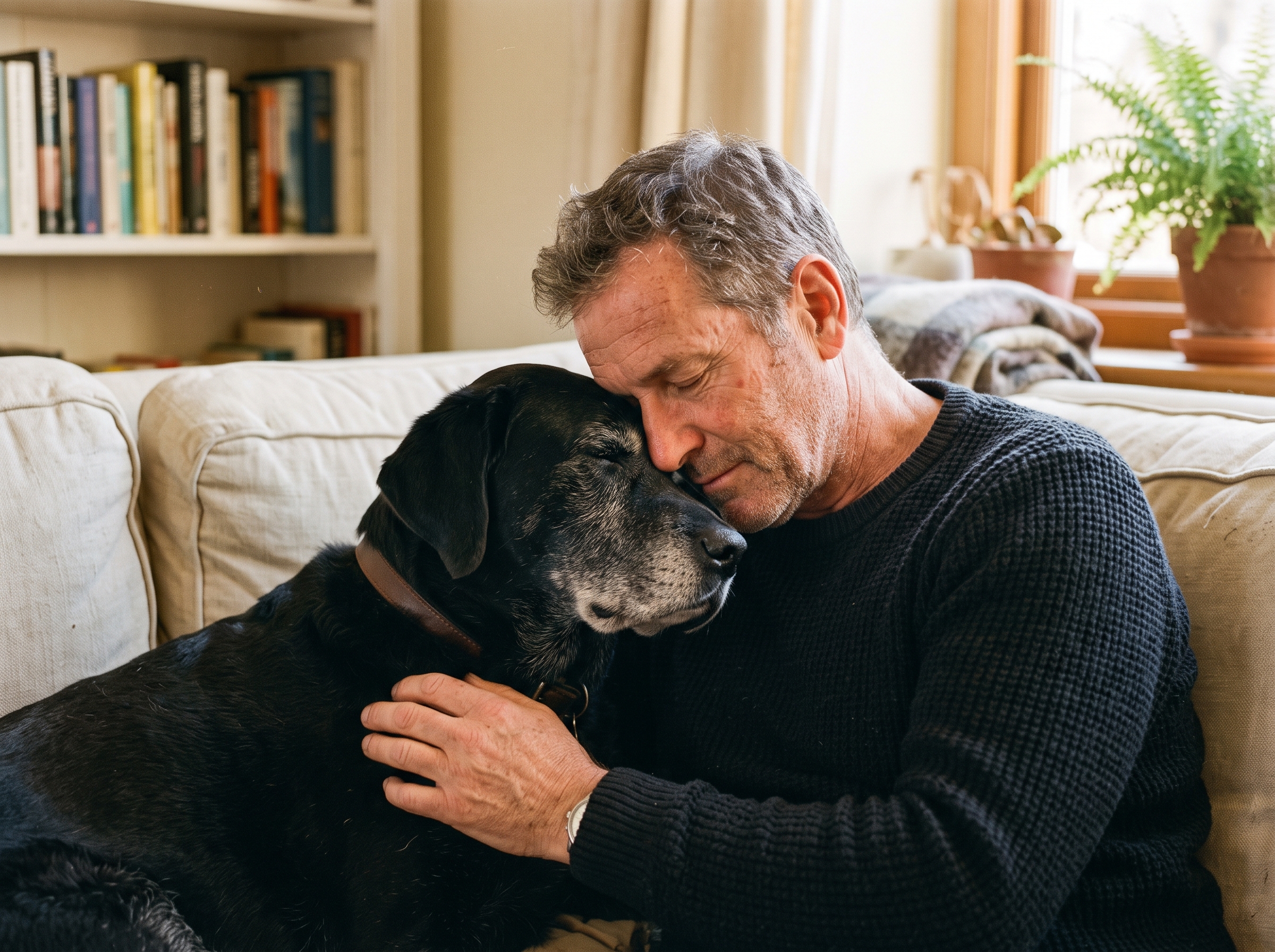
Social Dogs That Need Connection
Bernedoodles were bred by combining Bernese Mountain Dogs with Poodles. They inherit both the calm, steady nature of Bernese dogs and the sensitivity and people-focus of Poodles. The result is a social, affectionate dog that genuinely does best with regular human company. Bernedoodles aren't independent or aloof. They're people-first dogs. When left alone, many Bernedoodles experience real distress. Their sensitivity means they also pick up on environmental stress and changes in routine. A Bernedoodle left alone for long stretches becomes anxious, restless, and sometimes destructive. Their size and intelligence mean separation stress shows up as serious behavioral problems, not just quiet suffering.
Restlessness and Sensitive Reactivity
An anxious Bernedoodle becomes frantic when you prepare to leave: whining, pacing, and following you obsessively. Many vocalize constantly once you're gone. Some become destructive, particularly focusing on doors or windows. Others have accidents indoors despite being housetrained. Watch for loss of appetite or refusal to interact normally. Because Bernedoodles are sensitive, anxiety often escalates into secondary issues: stress-related skin problems, compulsive behaviors, or escalating reactivity. Some become hypervigilant, anxious about sounds or changes in their environment. Many Bernedoodles seem withdrawn or depressed after separation, as if the anxiety lingers hours after your return.
Routine, Engagement, and Realistic Alone Time
Create a calm, predictable routine and stick to it absolutely. Bernedoodles thrive on consistency. Practice very short absences: five minutes, return quietly, repeat. Gradually extend the time over weeks. Engage their intelligence: puzzle toys, training sessions, and nose-work activities calm anxious minds. These breed activities important mental work. Practice departures at random times throughout the day, not just when leaving for work. This reduces anticipatory anxiety. Leave worn clothing or a favorite toy. Some Bernedoodles calm with soft music. Be realistic about alone times. Most Bernedoodles do better with shorter windows: four to five hours max. Longer alone times, even with mental enrichment, cause stress. Consider daycare or a dog walker if you work long hours. If your Bernedoodle's anxiety is severe or not improving, consult your vet or a behavioral professional.