Cane Corso Separation Anxiety and How to Help
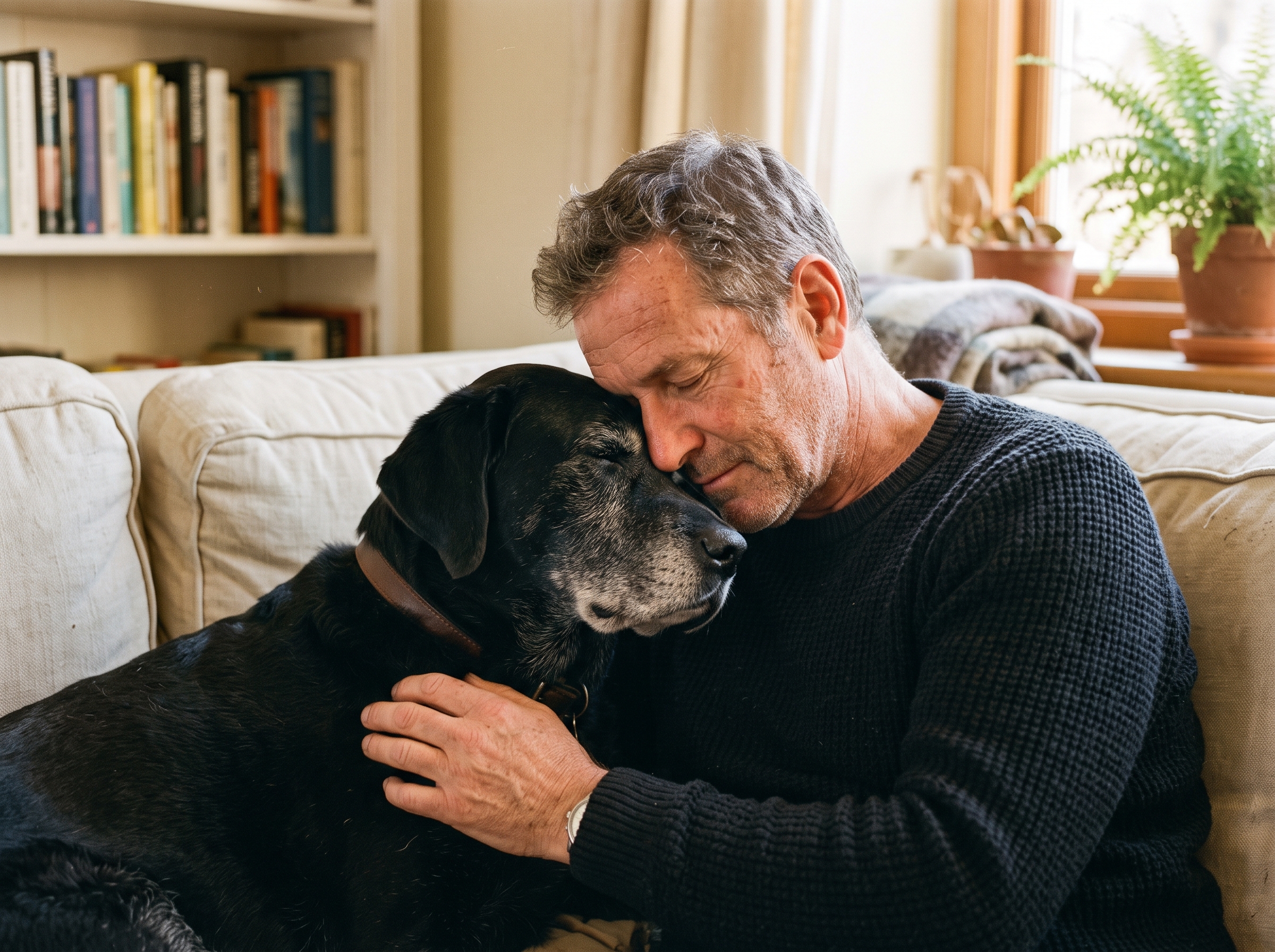
Powerful Dogs Needing Clear Leadership
Cane Corsos are confident, powerful, and protective. They're intelligent and capable of independent decision-making. Without clear, calm leadership, that capability can tip into hypervigilance and anxiety-driven reactivity. A Cane Corso alone doesn't just miss a person; they become their own decision-maker, often erring on the protective, reactive side. When anxious, a powerful dog's anxiety is powerful. A Cane Corso's size and strength mean separation stress shows up as serious destructive behavior or escalating reactivity. They're also prone to hip dysplasia, bloat, and heart issues. An anxious Cane Corso that strains, paces, and stresses their body compounds these health risks.
Hypervigilance and Protective Reactivity
An anxious Cane Corso becomes extremely reactive: barking intensely at sounds, fixating on windows and doors, or showing hair-raising reactivity to outside movement. They might become destructive, particularly focusing on barriers like doors and windows. Some show stress through pacing or inability to settle. Many Cane Corsos become clingy in uncharacteristic ways, needing constant physical contact with their handler. Because they're protective by nature, anxiety can escalate into defensive behaviors. Watch for signs of hypervigilance: constant alertness, inability to relax, or startle responses to normal stimuli. Some Cane Corsos show stress through muscle tension and trembling.
Structure, Training, and Calm Confidence
Cane Corsos need leadership that's calm and absolutely consistent. Create a predictable routine and stick to it without variation. Practice training daily: teach clear commands and expectations. Training gives mental structure and reinforces your leadership. This settles their mind. Practice very short alone-time sessions: five minutes, return quietly, repeat. Extend gradually. Use their food drive: leave puzzle toys or slow-feeders during alone time. Practice departures at random times throughout the day, not just when leaving for work. Protect their joints and heart: manage weight carefully and monitor for bloat signs. Be calm during departures and arrivals. Your confidence directly affects them. If your Cane Corso's anxiety is severe, consult your vet and consider professional training support. Medication paired with behavior work and structure can help.