Great Dane Separation Anxiety and How to Help
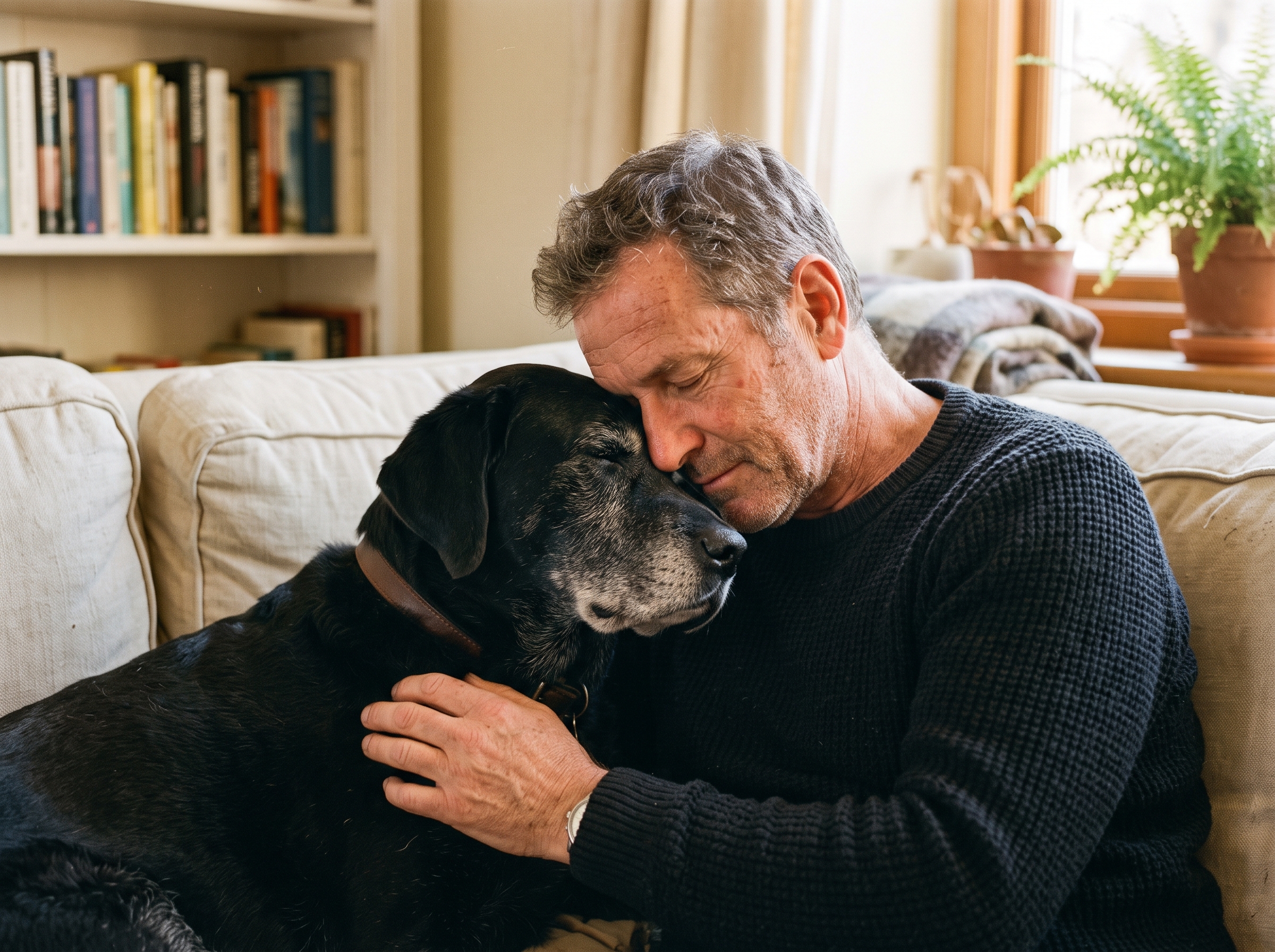
Gentle Giants With Short Timelines
Great Danes are calm, affectionate, and surprisingly sensitive despite their enormous size. They age faster than most breeds, and their lifespan is naturally short, typically seven to ten years. This makes every year, every month, critical. A Great Dane that spends months or years struggling with separation anxiety is losing precious time to distress. Great Danes are also prone to bloat, a life-threatening emergency. Stress and anxiety can trigger or worsen bloat risk. Managing a Great Dane's anxiety isn't a luxury; it's part of protecting their quality of life. Many Great Danes bond intensely with their people and become anxious when alone. Their sensitivity and need for closeness are real, even in such large bodies.
Sensitivity Behind the Size
Despite their massive size, Great Danes often show anxiety quietly. Watch for withdrawal, reluctance to interact, or loss of their normal affection. Some become clingy, wanting constant physical contact before you leave. Others show stress through pacing or fixating on windows. Many Great Danes become restless and unable to settle. Some vocalize: low howling or whining that sounds mournful. Because of their size and age, joint discomfort and health issues can amplify anxiety. An anxious Great Dane might also develop bloat risk behaviors: gulping water, eating too fast, or excessive movement that stresses their stomach.
Managing Time Carefully
Great Danes have limited years, so make every day count. Create a calm, predictable routine they trust. Practice very short absences at first: five minutes, return quietly, repeat. Extend gradually over weeks. Most Great Danes do better with shorter alone windows: three to four hours max. Longer alone times stress them unnecessarily when you could manage differently. Consider whether adjusting your schedule, using daycare, or hiring a dog walker makes sense. Their years are too short to force them through extended distress. Protect them from bloat triggers: no vigorous exercise right after eating, calm departures and arrivals, and stress management. Keep their life calm and predictable. A senior Great Dane especially needs understanding and accommodation. If your Great Dane's anxiety is significant, talk to your vet about medication support paired with behavior training.