Mastiff Separation Anxiety and How to Help
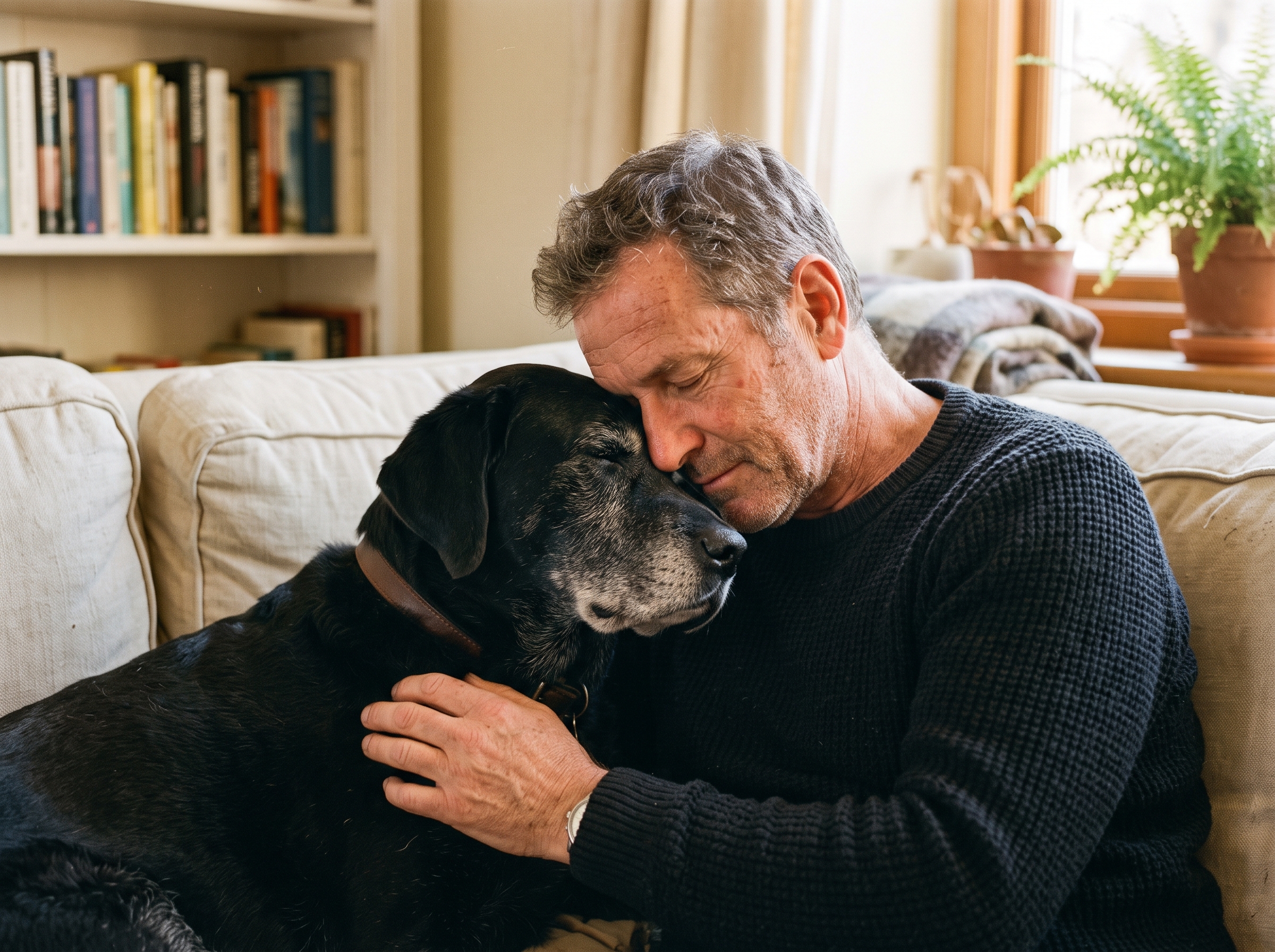
Giant Hearts That Feel Everything
Mastiffs are calm, protective, and deeply devoted to their people. Despite their size and guardian nature, they're sensitive and feel separation acutely. A Mastiff's bond with their family is profound and exclusive. They're not naturally suspicious or independent. When left alone, many Mastiffs experience real distress. Their massive size works against them: they carry enormous weight on joints, and an anxious Mastiff that paces or strains compounds joint stress. They also age earlier than smaller breeds. Joint problems, heart strain, and mobility issues often start early. An anxious Mastiff isn't just emotionally distressed; they're also stressing already-vulnerable joints and heart.
Quiet Distress in Powerful Dogs
Mastiffs often show anxiety quietly. Watch for withdrawal, reluctance to interact, or loss of their normally steady presence. Some become clingy before departure, unable to let you out of sight. Others show stress through pacing or restlessness they can't control. Listen for low, mournful howling or whining. Because Mastiffs are protective, some show anxiety as increased vigilance or reactivity to outside sounds. Many Mastiffs have accidents indoors when anxious despite being housetrained. Watch for physical stress: muscle tension, trembling (which can be hard to see in such massive dogs), or excessive panting. An anxious Mastiff often seems withdrawn or withdrawn after separation.
Structure and Gentle Alone Time Building
Mastiffs need calm, predictable routines they can trust. Create a consistent schedule and stick to it absolutely. Be calm and matter-of-fact about departures. Your own anxiety directly affects them. Practice very short absences: five minutes, return quietly, repeat. Gradually extend the time. Most Mastiffs do better with shorter alone windows: three to four hours max. Their size and joint stress mean longer alone times aren't ideal. Protect their joints during all activities: use ramps instead of stairs, support climbing into vehicles, and manage weight carefully. Extra weight strains aging joints dramatically. Pair alone time with comfort: soft bedding, worn clothing with your scent, possibly soft music. Practice departures at random times throughout the day, not just when leaving for work. This breaks the anxiety-departure association. If your Mastiff's anxiety is severe or not improving, consult your vet or a veterinary behaviorist.