Mixed Breed Separation Anxiety and How to Help
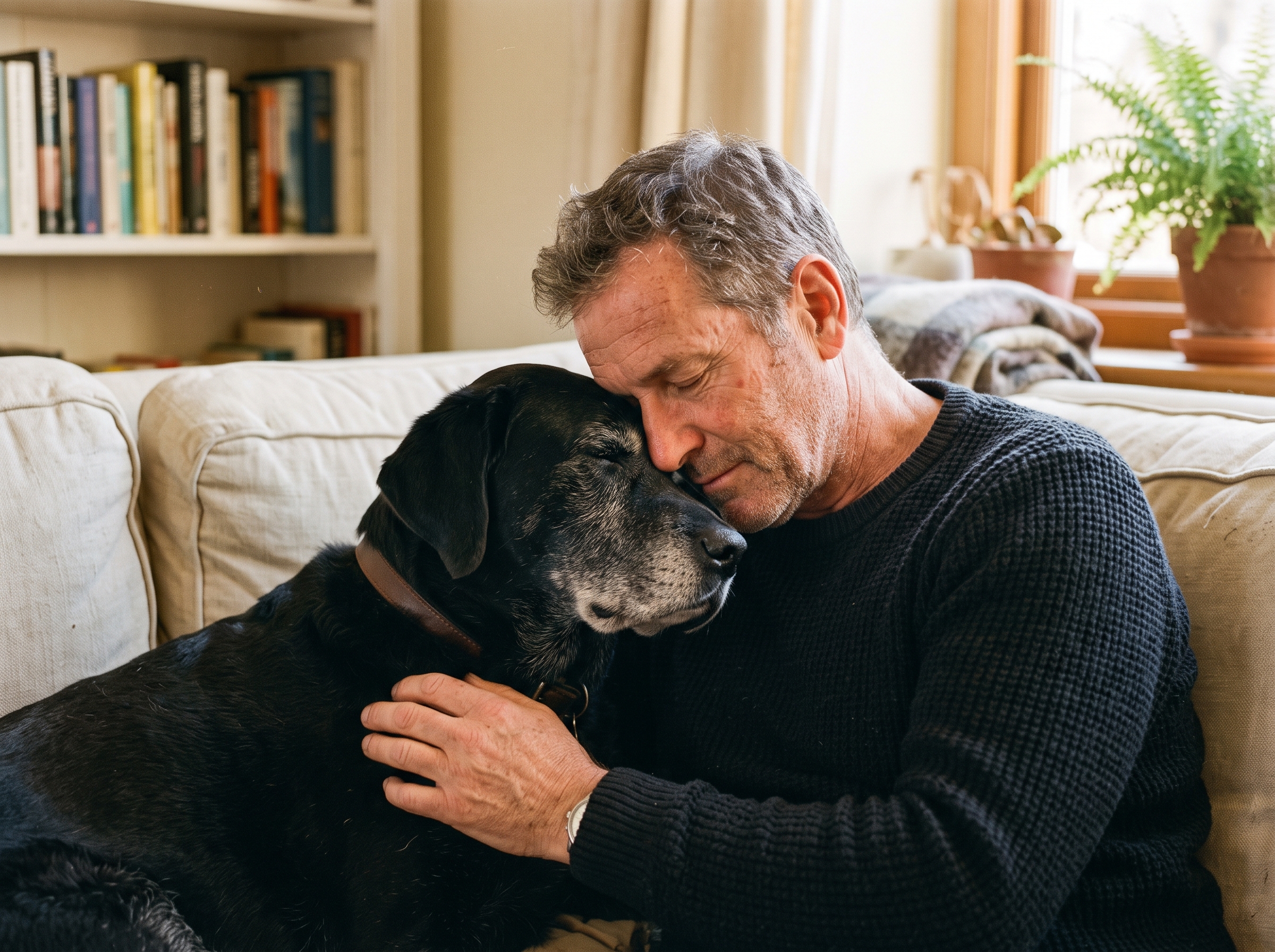
Why Your Mixed-Breed Dog May Struggle Alone
Every mixed-breed dog is an individual, shaped by their genetic blend and their history before they came home. Some carry genes from clingy companion breeds, others from independent working lines. A dog with a bit of velcro doodle in their mix will have very different needs than one with husky independence. Past experiences matter too. If your mixed-breed came from a shelter or rescue, early separation or instability can make solitude feel unsafe. Some dogs bounce back from hard starts, others carry the weight of it forward. The key is close daily observation. Your dog will tell you where they fall on the separation spectrum through their behavior, body language, and stress signals.
What Separation Stress Looks Like in Your Dog
Watch for panting, pacing, or fixating on doors and windows when you prepare to leave. Some dogs vocalize: barking, howling, or whining throughout the day. Others destroy things, have accidents indoors, or refuse food. Drooling, lip licking, and yawning can all signal anxiety. The most telling sign is intensity: does your dog settle after a few minutes, or does the distress escalate and continue for hours? Mild unease is normal when dogs are young or new to alone time. Severe or worsening distress is real suffering, not misbehavior, and warrants a conversation with your vet or a veterinary behaviorist.
Building Independence Step by Step
Start by leaving your dog alone for just five minutes at a time, in a safe space where they feel secure. Come back before any distress peaks. Repeat this short separation many times until it feels normal to them. Gradually extend the time in small increments. Practice leaving randomly during the day, not just before you head out. This breaks the departure routine that triggers anxiety. Leave behind a piece of your worn clothing, or a slow-feeder toy stuffed with something calming. Some dogs benefit from white noise or calming music. Never punish or comfort intensely during arrivals and departures. Stay neutral. If your dog's anxiety is severe or escalating, consult your vet or a veterinary behaviorist to rule out medical causes and explore professional support.