Retriever Separation Anxiety and How to Help
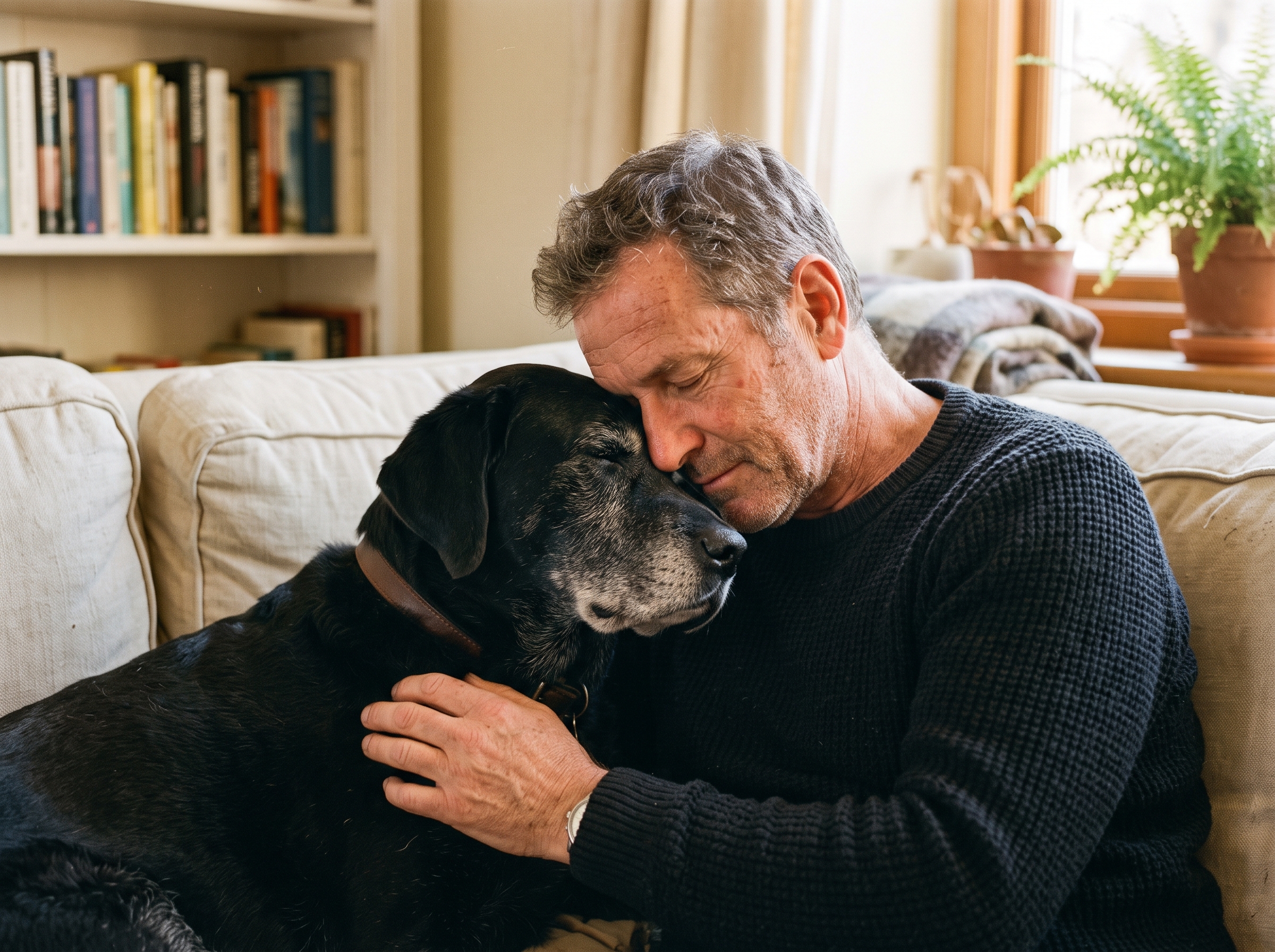
Why Retrievers Feel Lost Without You
Retrievers were bred to work alongside people, reading handlers and staying focused on shared tasks. That people-focus runs deep. Your Retriever doesn't see alone time as a chance to relax; they see it as being separated from their purpose. They bond strongly with their family, and separation triggers real distress. A Retriever's calm, easygoing temperament makes it easy to miss the anxiety building underneath. They won't rage or destroy like some breeds. Instead, they'll become withdrawn, refuse to eat, or develop a subtle but persistent unease that shows up in their eyes and posture.
Spotting Subtle Anxiety in Your Retriever
Retrievers hide discomfort behind a wagging tail, so you need to look deeper. Watch for loss of appetite when you leave, or a reluctance to greet you with the usual enthusiasm. Some Retrievers become clingy before departure, following you room to room and getting anxious if you move toward the door. Others go quiet, lose interest in toys, or pace slowly and repetitively. Drooling, whining softly, or panting in a cool room are also signals. The key is recognizing that absence of obvious destruction doesn't mean absence of suffering. Your Retriever's quiet struggle is still real distress.
Teaching Your Retriever to Enjoy Solitude
Start by leaving the room for just a minute while your Retriever is in another space. Return before any worry starts. Repeat dozens of times until leaving and returning feels ordinary. Gradually extend the time away. Use their food-motivated nature to your advantage: leave them with a puzzle toy or slow-feeder packed with treats or kibble. Retrievers love having a job, so make alone time the job. Practice departures at random times, not just when you're heading out. This breaks the anxious anticipation. Never make arrivals and departures emotional events. Keep them low-key. If your Retriever's anxiety is severe or worsening, talk to your vet about a behavioral consultation.