How to Keep an Aging Collie Healthy
The Sensitive Mind: When Alertness Becomes Worry
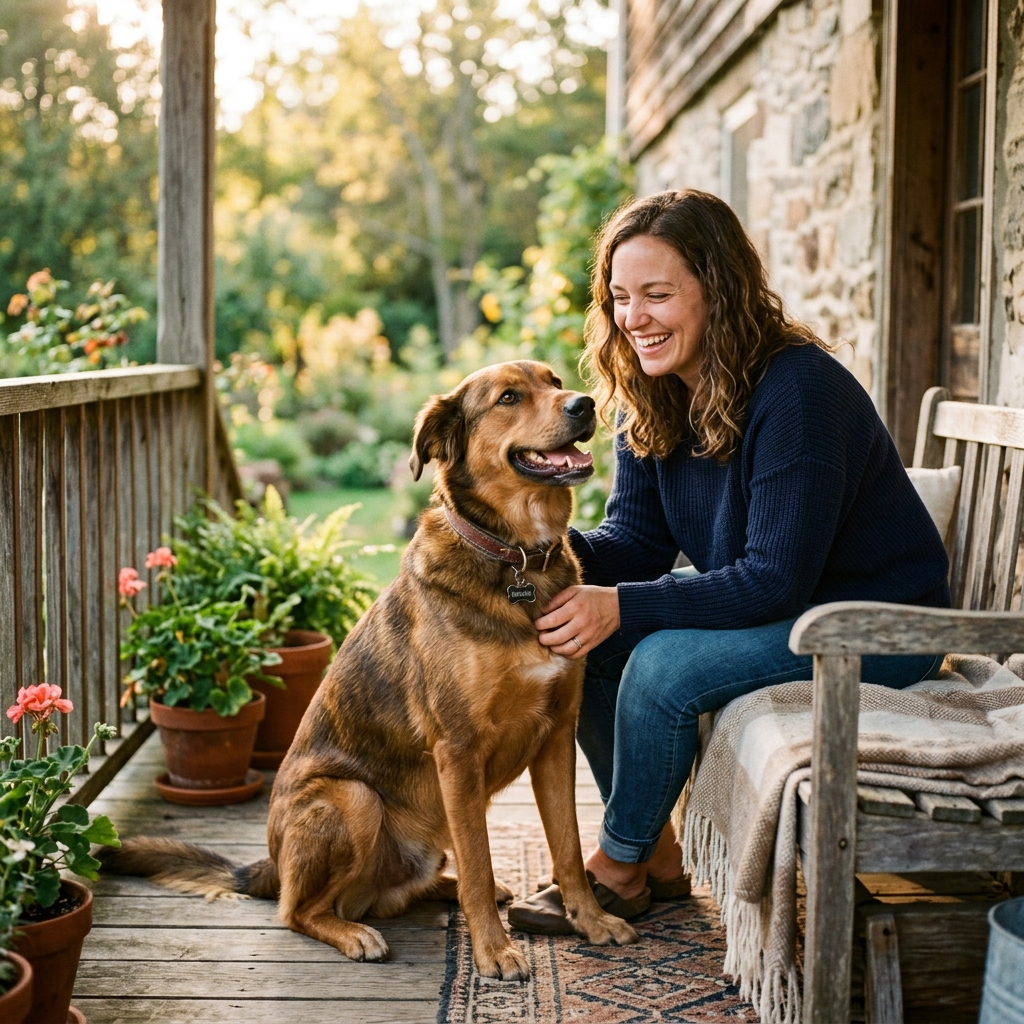
Collies are acutely attuned to their environment and their people. This sensitivity is their gift, allowing them to read subtle cues and respond to needs. But sensitivity is also a vulnerability. An aging Collie without a calm, predictable environment can develop anxiety or hypervigilance that impacts physical health. Chronic worry in a senior Collie triggers inflammation, worsens pain perception, and can accelerate aging. The best environment for an aging Collie is calm and predictable. Consistent routines, quiet spaces, and time in peaceful settings support emotional and physical wellbeing. Avoid sudden changes, loud noises, or chaotic situations when possible. Some aging Collies benefit from calming supplements or medication to manage anxiety that increases with age-related changes like hearing loss. A Collie living in a calm, supportive environment often ages better emotionally and physically than one living in a high-stress situation. The gift of predictability and peace is medicine for an aging Collie.
Collie Eye Anomaly and Vision Protection
Collie eye anomaly is an inherited condition affecting vision that shows up in the breed. It can range from mild to severe. Some Collies with the condition remain asymptomatic throughout life. Others experience vision loss or discomfort. By age 8, discuss with your vet whether screening by a veterinary ophthalmologist makes sense. Early detection doesn't stop the condition, but it gives you time to adapt your environment and help your Collie navigate with confidence as vision changes. Keep furniture and obstacles in consistent places. Create clear pathways. Help your Collie learn to rely on other senses as vision changes. A Collie adapted to gradual vision loss can still live happily and safely. More importantly, early knowledge of eye issues allows proactive management that prevents secondary complications.
MDR1 Gene Sensitivity and Medication Awareness
Many Collies carry the MDR1 gene, which makes them sensitive to certain medications used in standard treatments. This genetic trait can be life-threatening if not identified. Common medications to avoid include some anti-parasite treatments, certain antibiotics, and some pain relievers. When your aging Collie needs medication for any condition, inform your vet of potential MDR1 sensitivity. Some Collies have been tested and you might know their status. Others haven't been tested. Your vet can either test or use alternative medications to avoid potential sensitivity. This isn't a disease, but awareness matters for medication safety. Hip dysplasia also appears in Collies and can worsen with age. By age 8, baseline screening helps you understand your Collie's situation. Combined with careful attention to medication and a calm environment, these measures support your aging Collie's wellbeing.