How to Keep an Aging Mixed Breed Healthy
Reading Your Individual Dog's Aging Pattern
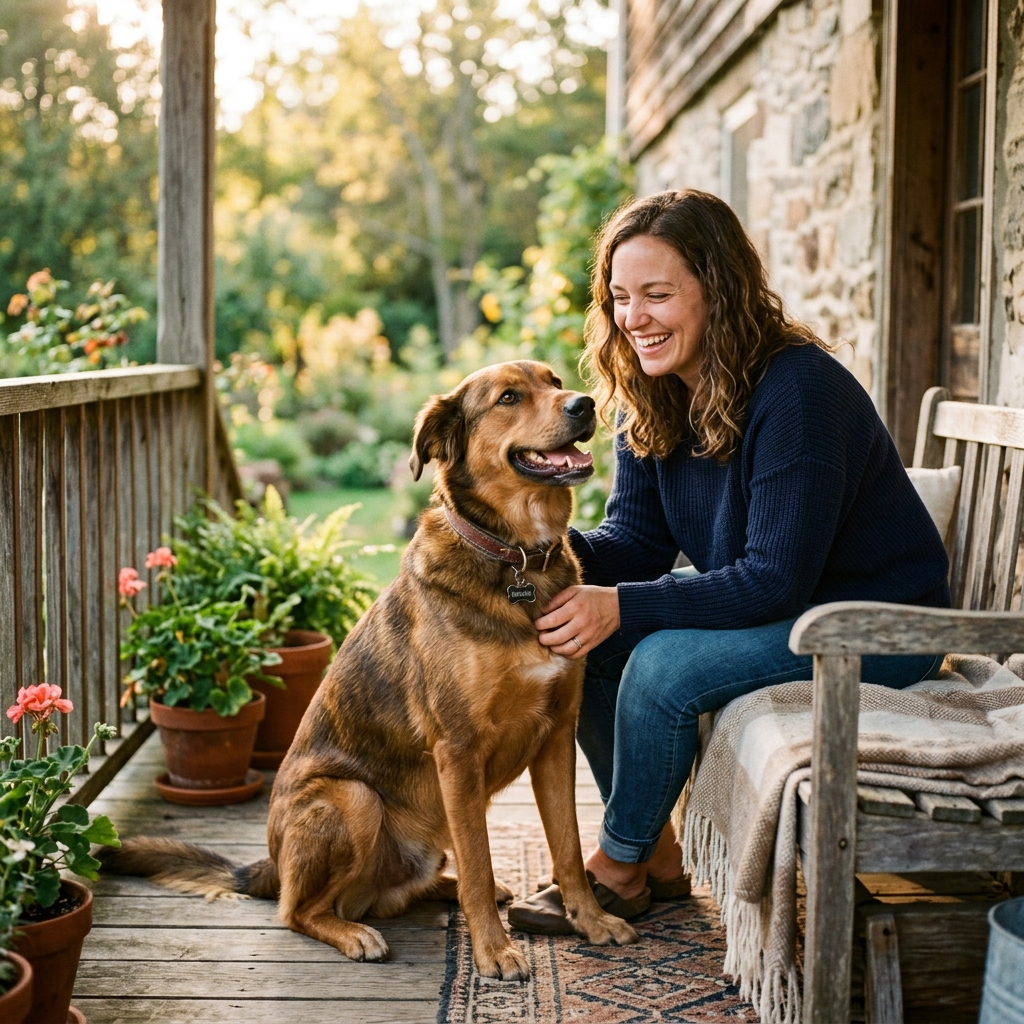
Mixed-breed dogs don't follow a standard aging timeline because their genetic makeup is truly singular. Where a purebred breed profile offers general markers, your dog's behavior and condition tell the real story. Pay attention to how your dog moves after rest, whether they're climbing stairs differently, or if their enthusiasm for walks has shifted. These personal shifts matter more than any breed standard. Some mixed-breed dogs stay sprightly past age 12. Others start showing their age earlier. The key is knowing your own dog well enough to spot the difference between normal aging and something that needs a vet's attention. Keep a mental note of changes across a week or two, not just day-to-day variation.
Managing the Weight That Comes With Mixed Genetics
Without a breed standard for ideal weight, mixed-breed dogs can drift into overweight territory without anyone noticing. Each breed in the mix brings its own appetite drive and metabolism. A dog whose genetics include food-motivated breeds may gain weight easily, while herding lines might stay lean even with generous portions. Weigh your dog every few months and feel their ribs regularly. You should be able to find them without pressing hard. As your dog ages, they need fewer calories but sometimes the same food portions from younger years. Work with your vet to adjust portions based on actual body condition, not assumptions. A lean senior mixed-breed dog handles joint stress better and moves more comfortably through their final years.
Dental Care That Fits Your Dog's Individual Health History
Some mixed-breed dogs inherit strong, healthy teeth. Others develop dental issues early. Since you won't have breed-wide data to guide you, start with what you see and what your vet tells you. Bad breath, visible tartar, or reluctance to chew are signs to address now, before problems compound in senior years. Dental disease doesn't just affect the mouth. It can seed infections into the heart and joints. Brush teeth a few times a week if your dog tolerates it. Professional cleaning when your vet recommends it isn't just cosmetic. For aging dogs, keeping teeth healthy is part of keeping their whole body functioning well. If your dog resists brushing, discuss dental treats or water additives with your vet, but understand these are supplements to, not replacements for, actual cleaning.