How to Keep an Aging Shih Tzu Healthy
The Companion Whose Whole Purpose Is Being With You
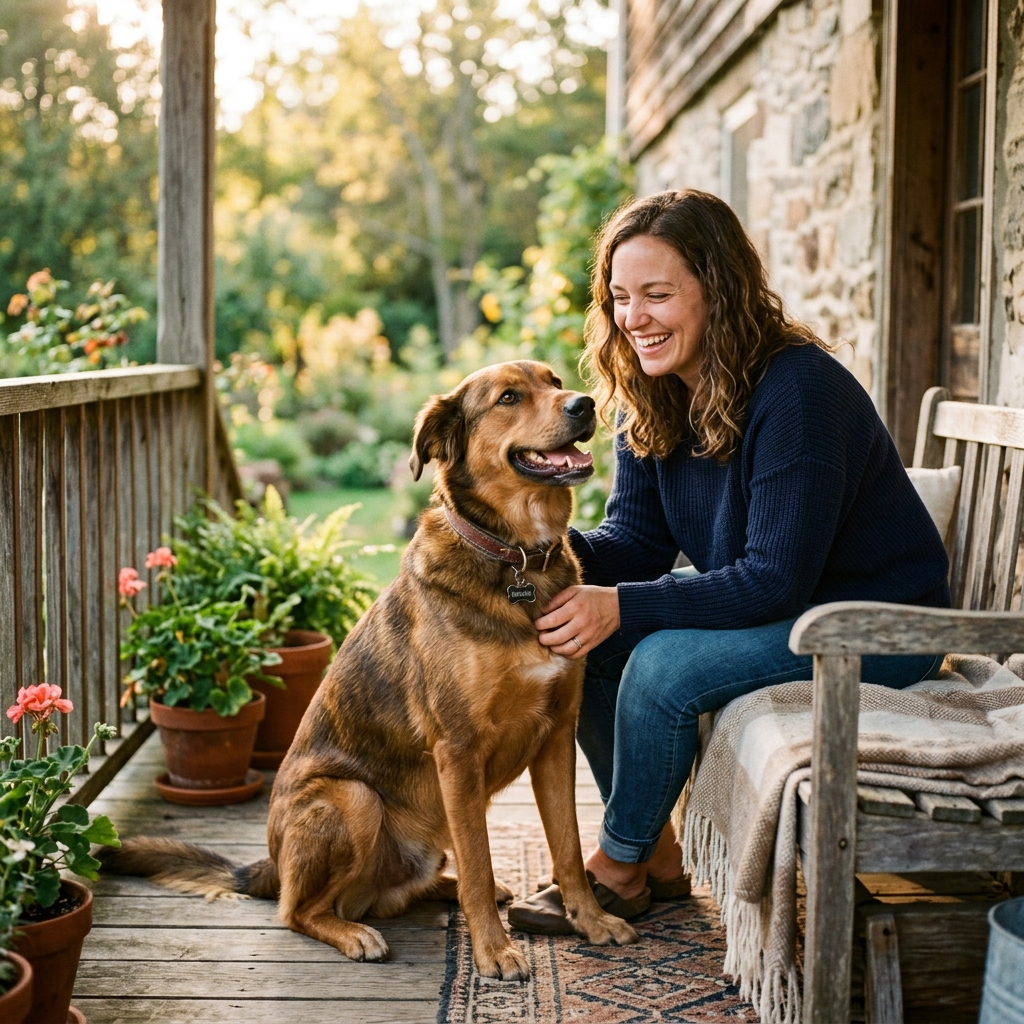
Shih Tzus were bred to be lap dogs and companions, nothing more. Their purpose isn't to work or hunt or guard. It's to be present with their people. This deep companionship drive makes a senior Shih Tzu's emotional wellbeing inseparable from time spent with family. A Shih Tzu left alone for long hours, even in a comfortable space, often develops stress-related issues. They might become clingy when you're home, anxious when you leave, or develop behavioral problems that signal emotional distress. More importantly, chronic stress in an aging Shih Tzu impacts physical health. Anxiety worsens inflammation, increases blood pressure, and makes pain feel worse. The best thing you can do for your senior Shih Tzu is simply being present. If your Shih Tzu spends most days with you, they're likely to be emotionally stable and physically healthier than one spending long hours alone. In your senior Shih Tzu's final years, the gift of your constant presence often matters more than veterinary care in determining quality of life.
Flat-Face Challenges: Breathing, Heat, and Airway Care
Shih Tzus' flat, pushed-in faces create structural breathing challenges from birth onward. As they age, these challenges often worsen. The tissues that were already compressed become less elastic, or subtle swelling develops that restricts air further. A senior Shih Tzu that breathed normally at age 5 might struggle by age 12 or 13. Monitor your Shih Tzu's breathing. Normal breathing should be quiet and effortless. Excessive panting, snoring, wheezing, or difficulty catching breath after minimal activity all signal airway issues. Heat makes breathing harder for flat-faced dogs, so keep your aging Shih Tzu indoors during hot weather. Avoid exercise in heat. Maintain a lean weight because extra weight restricts breathing further. Some Shih Tzus with airway issues benefit from certain medications or environmental management. If your senior Shih Tzu's breathing changes significantly or seems labored, mention it to your vet. Breathing complications can develop quickly and seriously in flat-faced breeds.
Eye Care and Monitoring for Age-Related Vision Changes
Shih Tzus are prone to eye conditions, including keratitis, corneal ulcers, and cataracts. The short muzzle and large, prominent eyes create vulnerability to injury and disease. As Shih Tzus age, eye problems become more common. Watch for excessive tearing, redness, cloudiness, or your Shih Tzu squinting or rubbing their eyes. These are signs of problems that need prompt vet attention. Cataracts can develop in senior Shih Tzus, and while not always requiring surgery, they affect vision. A Shih Tzu with cataracts might navigate more cautiously or bump into things. Keep furniture in consistent places and create clear pathways to help your aging Shih Tzu move safely. Some eye conditions can be managed with medication or drops. Others need monitoring. Early detection of eye issues prevents secondary problems and supports comfort. Regular eye exams become more important in senior years.