How to Slow Aging in Bulldogs
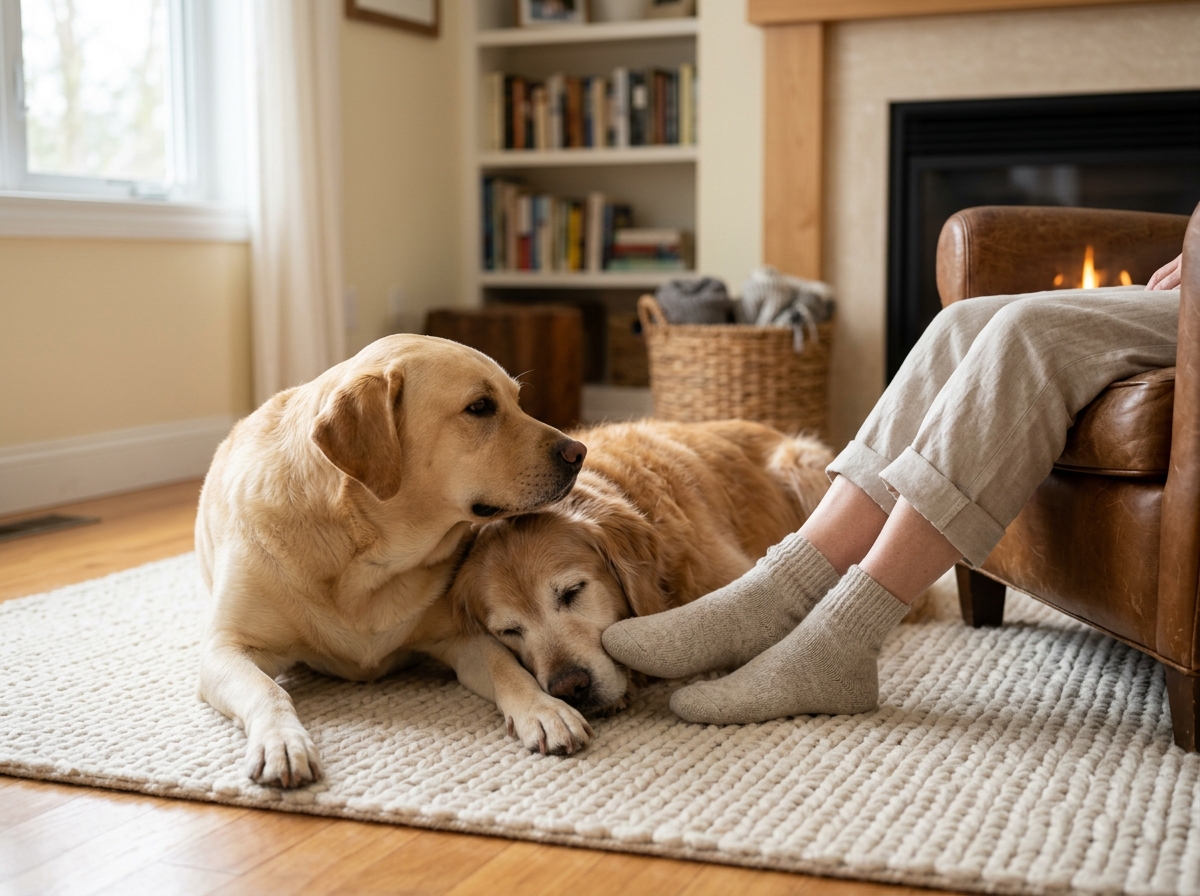
Bulldogs Become Seniors Earlier Than Most
Bulldogs live 8 to 10 years, and they become seniors around age 6. That early transition reflects their body structure and the physical stress that structure creates. The flat face that gives Bulldogs their character also limits breathing. Heat, humidity, and exertion make breathing harder still. As they age, that compromised airway ages faster. The breed is also prone to joint problems. Their stocky, heavy frame and tendency toward weight gain stress hips and elbows. Skin-fold irritation is constant work for Bulldog owners. As Bulldogs age, skin-fold care becomes even more important because aging skin is more fragile and infection risk rises.
What Speeds Aging in Bulldogs
Heat is the single greatest threat to an aging Bulldog. Exercise in warm weather or high humidity works the heart and breathing hard. A senior Bulldog in heat can overheat dangerously fast. Weight gain amplifies every age-related problem. A heavy Bulldog breathes harder, their joints work harder, and their heart works harder. Extra pounds shorten the years a Bulldog can stay active and comfortable. Repeated skin infections from neglected skin folds age the skin and create chronic inflammation. Jumping, running on stairs, or other high-impact movement stresses aging joints. A Bulldog jumping from a couch repeatedly is doing damage that shows up as joint pain years later. Inactivity combined with free-feeding creates the worst scenario: a sedentary, overweight Bulldog with diminishing mobility and rising joint pain.
What Slows Aging in Bulldogs
Climate control is the foundation of Bulldog longevity. Keep your home cool. Exercise only in cool weather and during cooler parts of the day. Avoid long outdoor time in summer. Even a calm walk in heat taxes an older Bulldog's breathing and heart. Weight management is essential. A lean Bulldog suffers less joint strain and breathes easier. Work with your vet on portions appropriate for a lower-activity dog. Daily skin-fold cleaning prevents infections and keeps the skin healthy. Use a soft cloth and vet-approved cleanser. Gentle, short-duration exercise keeps muscle and mobility without overwork. Indoor play, short walks on cool days, and swimming if accessible are ideal. Joint support through supplements and a diet rich in omega fatty acids helps. Regular vet visits catch breathing changes, heart stress, or heat intolerance early.