How to Slow Aging in Labradoodles
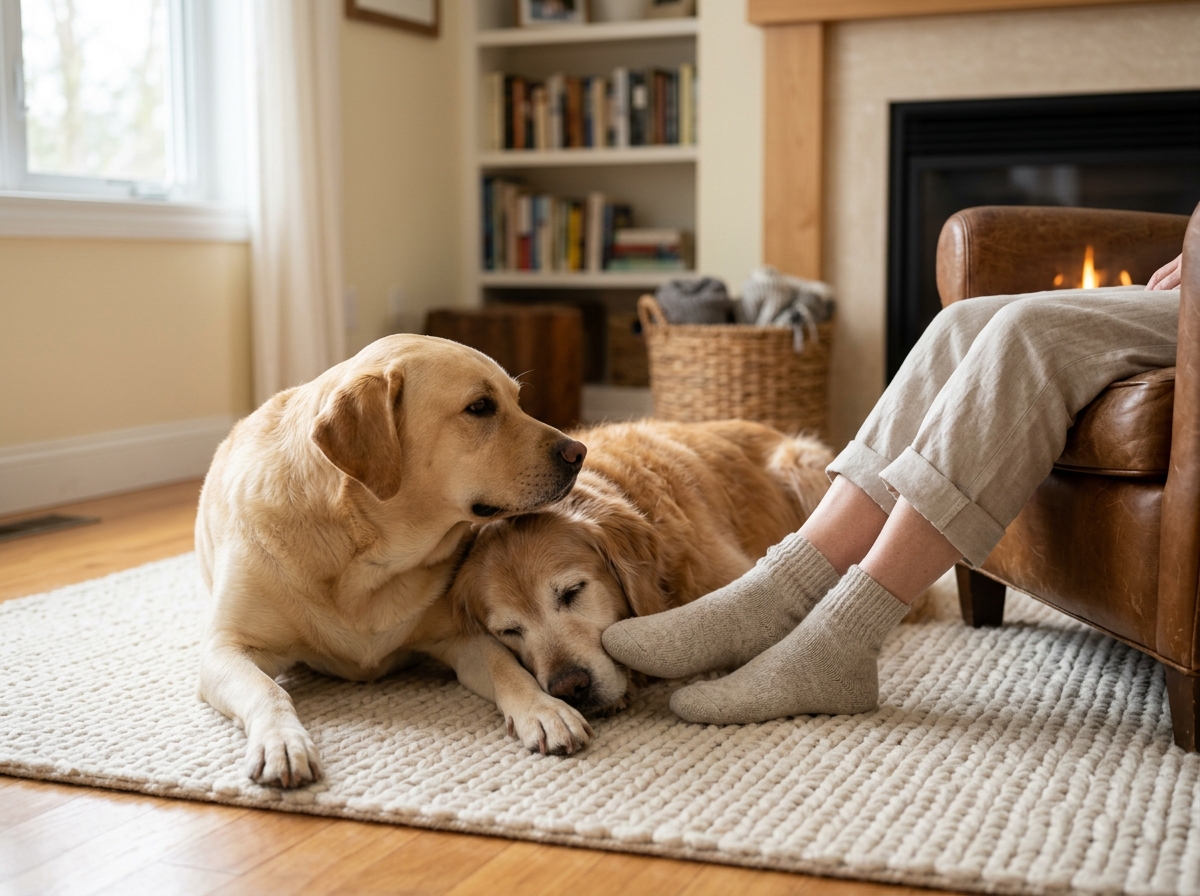
Labradoodles Need Activity to Age Well
Labradoodles live 12 to 15 years, reaching senior status around age 8. They blend Labrador energy and drive with Poodle intelligence. An under-exercised Labradoodle does not age well. Without adequate daily activity, pent-up energy manifests as anxiety, destructiveness, and stress. That chronic stress ages the body. An active Labradoodle with daily work or play ages more slowly and stays calmer. The breed is prone to hip and elbow dysplasia, especially larger individuals. Inherited eye conditions appear in some lines. Ear infections are common because of their floppy, hair-filled ears. An older Labradoodle with years of ear problems carries chronic inflammation.
What Speeds Aging in Labradoodles
Insufficient exercise is the primary accelerant. A Labradoodle without daily activity becomes anxious, destructive, and stressed. That emotional and physical stress ages the body faster. An under-exercised Labradoodle also gains weight, which stresses aging joints and increases dysplasia risk. Neglected grooming and matted coats create skin problems. A Labradoodle with a neglected coat develops infections and chronic skin irritation. Weight gain stresses aging joints and creates metabolic strain. Hip and elbow dysplasia in a heavy dog causes severe pain. Chronic ear infections from floppy ears drive ongoing inflammation. Inactivity combined with high drive creates the worst scenario: a restless, anxious, overweight Labradoodle with joint pain and behavioral stress.
What Slows Aging in Labradoodles
Daily activity is essential. A Labradoodle needs consistent exercise, play, or work. Young Labradoodles may need 1 to 2 hours daily. Older ones benefit from shorter, more frequent sessions. Fetch, swimming, hiking, or organized activities all work. Mental engagement through training, scent work, or puzzle toys channels drive productively. Regular grooming prevents coat matting and skin problems. Professional grooming every 6 to 8 weeks and daily brushing maintain coat health. Preventive ear care is critical. Regular checks and prompt treatment stop infections before they recur. Weight management protects aging joints. A lean Labradoodle has years more comfortable mobility. Hip and elbow screening early identifies dysplasia so your vet can monitor and recommend preventive care. Regular vet visits catch weight trends, joint stress, or behavioral changes early.