How to Slow Aging in Pit Bulls
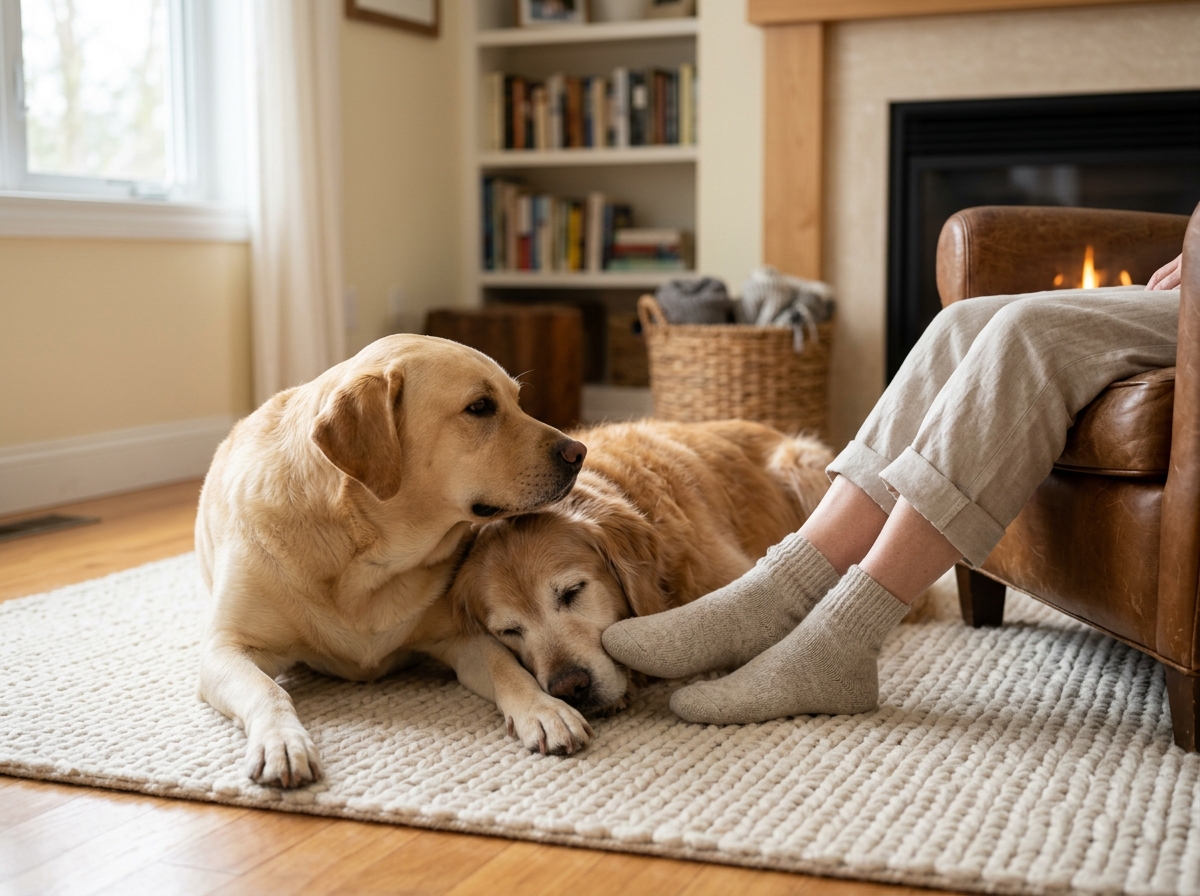
Pit Bulls Are Deeply Bonded Dogs That Suffer From Separation
Pit Bulls live 12 to 14 years, becoming seniors around age 8. They are powerful, deeply affectionate dogs that thrive on closeness. That strong attachment is their gift and their vulnerability. A Pit Bull separated from their person for long stretches, left alone for hours, or isolated in the yard develops separation anxiety and stress. That chronic stress ages the body. Pit Bulls are pain-tolerant and often hide discomfort behind a willing demeanor. An older Pit Bull with early joint pain or health issues may show no obvious signs until pain is advanced. Hip dysplasia appears in the breed. Skin and environmental allergies are common and can create years of itching and infection.
What Speeds Aging in Pit Bulls
Separation and isolation create chronic stress that ages the heart and immune system. A Pit Bull without regular companionship and interaction with their person deteriorates emotionally and physically. Long workdays without midday breaks, yard-only living, or lack of bonding time all accelerate aging. Weight gain stresses aging joints and increases heart strain. A heavier Pit Bull suffers more joint pain and has more joint stress. Hip dysplasia is inherited and worsens with extra weight. Skin and environmental allergies create chronic inflammation and infection. Years of scratching and infected skin stress aging skin and the immune system. Lack of exercise combined with isolation creates profound stress and rapid aging. An under-exercised, isolated Pit Bull is aging fast emotionally and physically.
What Slows Aging in Pit Bulls
Close companionship and regular time with their person is foundational. A Pit Bull that is inside, close to their people, part of daily life ages more gracefully than one isolated. Daily interaction, training, play, and just being together matter enormously. Regular, appropriate exercise keeps muscle and mood stable. An older Pit Bull still needs activity, just gentler and more frequent than a young one. Walking, play, or swimming all work depending on joint comfort. Weight management protects aging joints and the heart. A lean Pit Bull has better mobility and lifespan. Addressing skin allergies promptly prevents years of infection and inflammation. Your vet can help identify allergens and recommend management. Hip dysplasia screening early allows monitoring and preventive care. Heart screening after age 8 catches problems early. Regular vet visits catch weight changes, joint stress, or behavior shifts that might signal health problems.