Goldendoodle Anxiety: Signs and How to Help
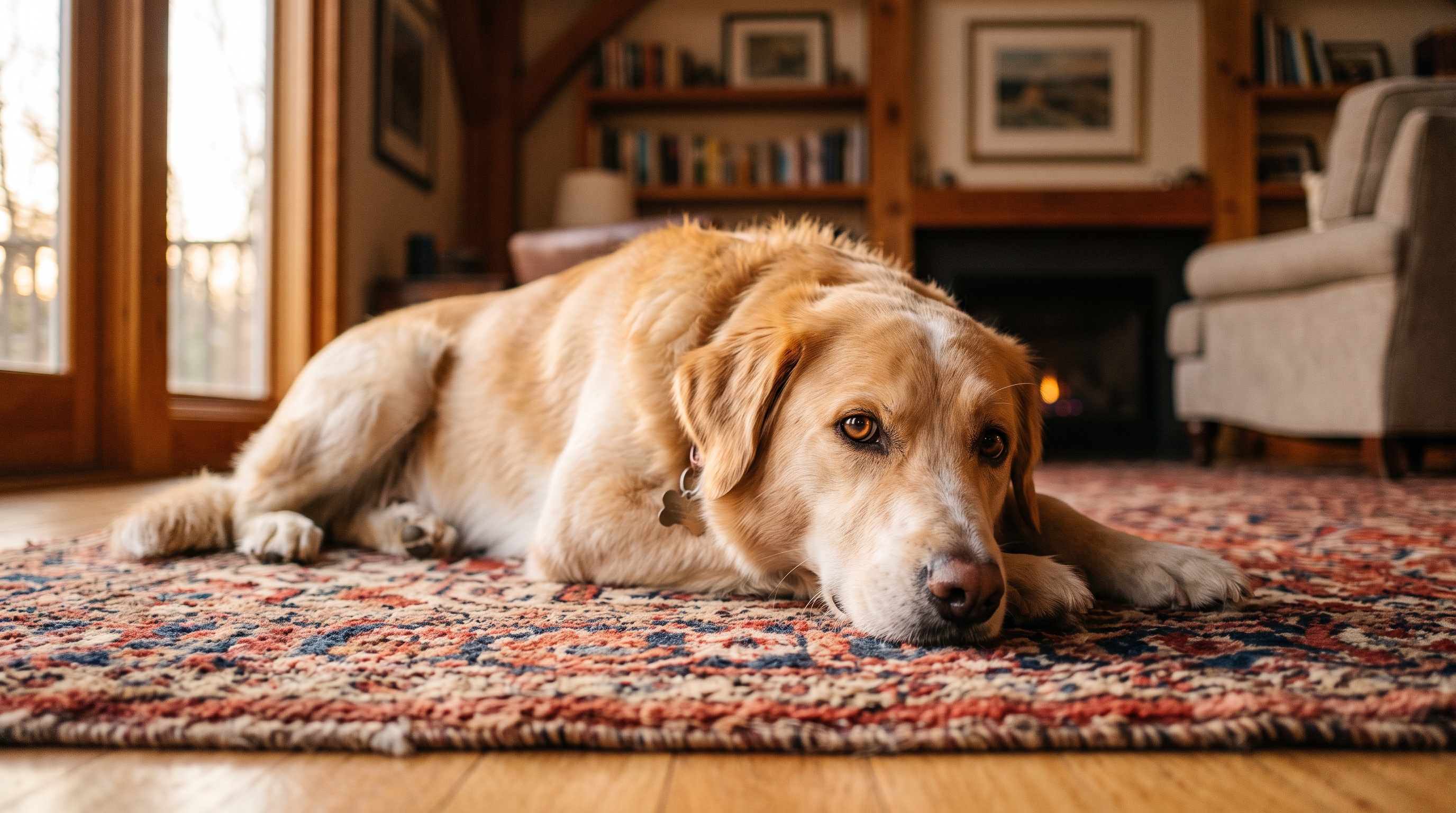
The Velcro Dog's Separation Stress
Goldendoodles were bred by combining two people-focused breeds: the Golden Retriever and the Poodle. The result is a dog that does not just like people. They live for people. A Goldendoodle wants to be in the same room as you, doing what you are doing, for most of the day. That kind of attachment is beautiful until you have to leave.
Separation anxiety is one of the defining challenges of the breed. A Goldendoodle left alone often becomes panicked. They might pace, whine, howl, become destructive, or develop obsessive behaviors like constant licking or chewing at furniture. Some Goldendoodles have accidents in the house even when housetrained, because the stress overrides their training. Others refuse to eat or become withdrawn.
The anxiety in a Goldendoodle is not about being spoiled or needy. It is deep. Their genetics say they should be with their pack. Being alone feels unsafe. A Goldendoodle's anxiety about separation is as real as a human's anxiety in a crisis.
Sensitivity and Environmental Stress
Goldendoodles are sensitive dogs. They pick up on stress, change, and emotional shifts in their humans. A Goldendoodle living in a chaotic household, with raised voices or tension, often becomes anxious. Some Goldendoodles develop noise sensitivity or reactivity to changes in routine.
The floppy ears that give Goldendoodles their adorable look also come with a price. Ear infections are common and can create discomfort and stress. A Goldendoodle with chronic ear issues might show behavioral anxiety tied to physical discomfort. Regular ear care is important for both physical and mental health.
Environmental changes also affect Goldendoodles more than some other breeds. A move to a new home, a change in schedule, a new family member, or the loss of a companion can trigger significant anxiety. Some Goldendoodles also develop skin allergies or environmental allergies that create itching and discomfort, which layers on behavioral anxiety.
Company, Routine, and Gradual Training
The first step for an anxious Goldendoodle is creating as much predictable company as possible. If you work full-time, a dog walker or midday visitor is often necessary. A Goldendoodle with a midday break is significantly calmer than one alone all day. Some Goldendoodles benefit from a second dog companion, though that is a bigger commitment.
Create a stable, calm routine. Feed at the same times, walk at the same times, and keep changes minimal. A Goldendoodle that knows what to expect feels more secure. Quiet wind-down time before bed and a calm household reduce baseline anxiety.
Gradual desensitization to alone time can help some Goldendoodles. Starting with short absences and slowly building up can help them learn to manage alone time better. However, this works best combined with regular company, not as a substitute for it.
If your Goldendoodle's anxiety is new or worsening, or if it is paired with changes in eating, energy, or bathroom habits, talk to your vet. Medical issues, pain, and aging can all drive anxiety. Your vet can help rule out health problems and work with you on a plan to support your Goldendoodle's wellbeing. A Goldendoodle with regular company, a calm home, and clear structure is a happier, more confident dog.