Longevity Supplements for Goldendoodles
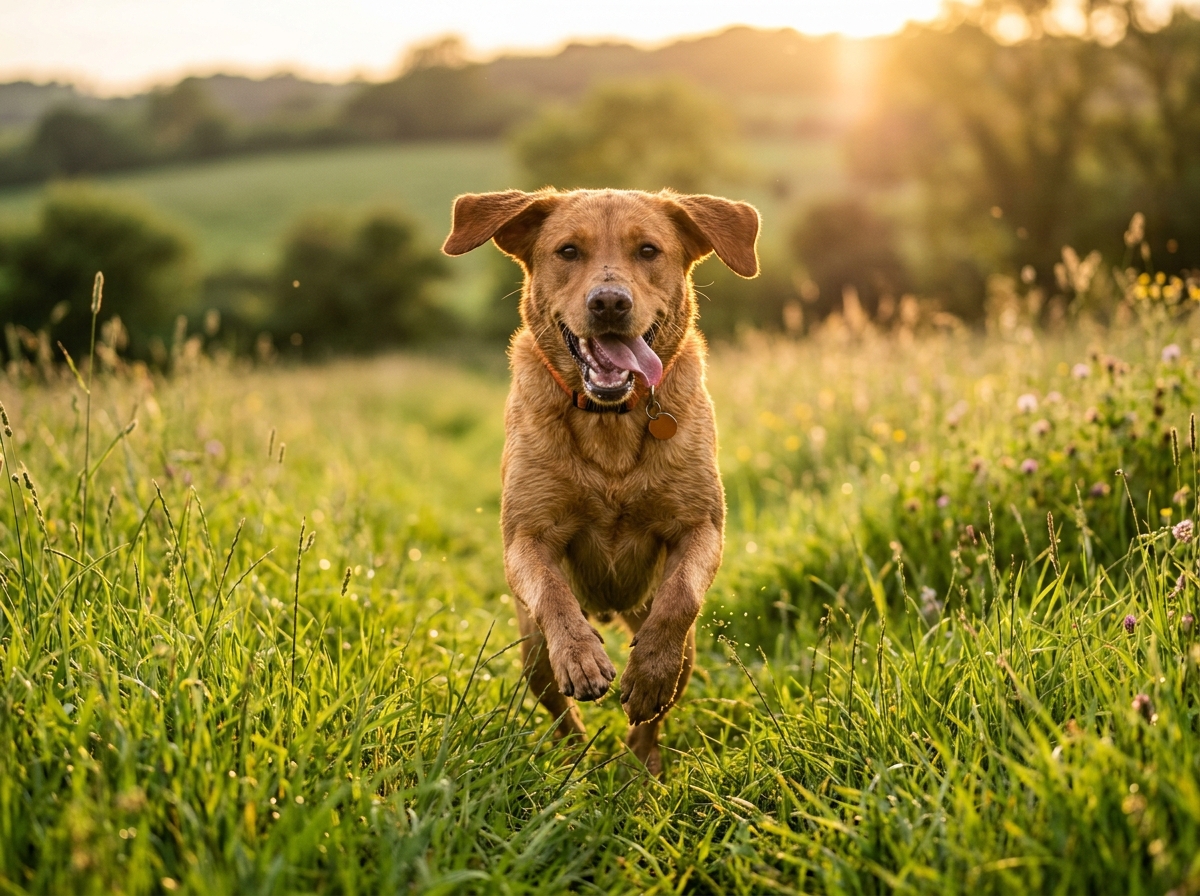
The velcro dog whose heart aches when you leave
Goldendoodles are designed to stay close to people, not to be left alone. That makes separation anxiety one of their most common struggles, and separation anxiety is a health issue. A dog in chronic distress experiences elevated stress hormones, which accelerates aging and worsens inflammation. A Goldendoodle who panics when their person leaves develops anxiety behaviors: pacing, destructive chewing, excessive barking, or house soiling. Over time, that chronic stress shows up as poor coat health, digestive issues, and accelerated aging of their joints and organs. The foundation of a senior Goldendoodle's health is spending time with them. If you need long hours away, doggy daycare or a dog walker isn't a luxury; it's part of their medical care. A supplement supporting their joints and immune health helps, but routine and companionship matter more.
Hip dysplasia and the dual heritage
Goldendoodles inherit hip dysplasia risk from both parents: Golden Retrievers and Poodles both carry it. Many Goldendoodles show signs of hip stress by six or seven years old. Weight plays a role; even a moderately overweight Goldendoodle carries extra stress on dysplastic hips. Their doodle coat requires consistent grooming, and many owners miss the grooming, leading to matted fur, skin infections, and scratching that adds inflammation. Maintaining weight, grooming thoroughly, and considering supplementation early helps keep aging hips mobile. Our number one pick is NeuroChew based on the supplements we've reviewed. You can explore options on our reviews page. Note that some links on our review pages may result in a commission.
Grooming, ear care, and the maintenance commitment
A Goldendoodle's curly or wavy coat is one of their charms and also a commitment. Matting traps moisture, bacteria, and yeast against the skin. Ear infections are common because their floppy ears combined with hair density create moisture pockets inside the canal. Regular grooming every four to eight weeks, consistent brushing at home, and routine ear cleaning prevent most skin and ear issues that accumulate in aging Goldendoodles. Those chronic issues, left unchecked, add inflammation and stress that ages their joints. A senior Goldendoodle thrives with a predictable grooming schedule, regular ear checks, appropriate weight, plenty of time with their person, and a supplement supporting their joint and skin health if your vet recommends it.