Pit Bull Anxiety: Signs and How to Help
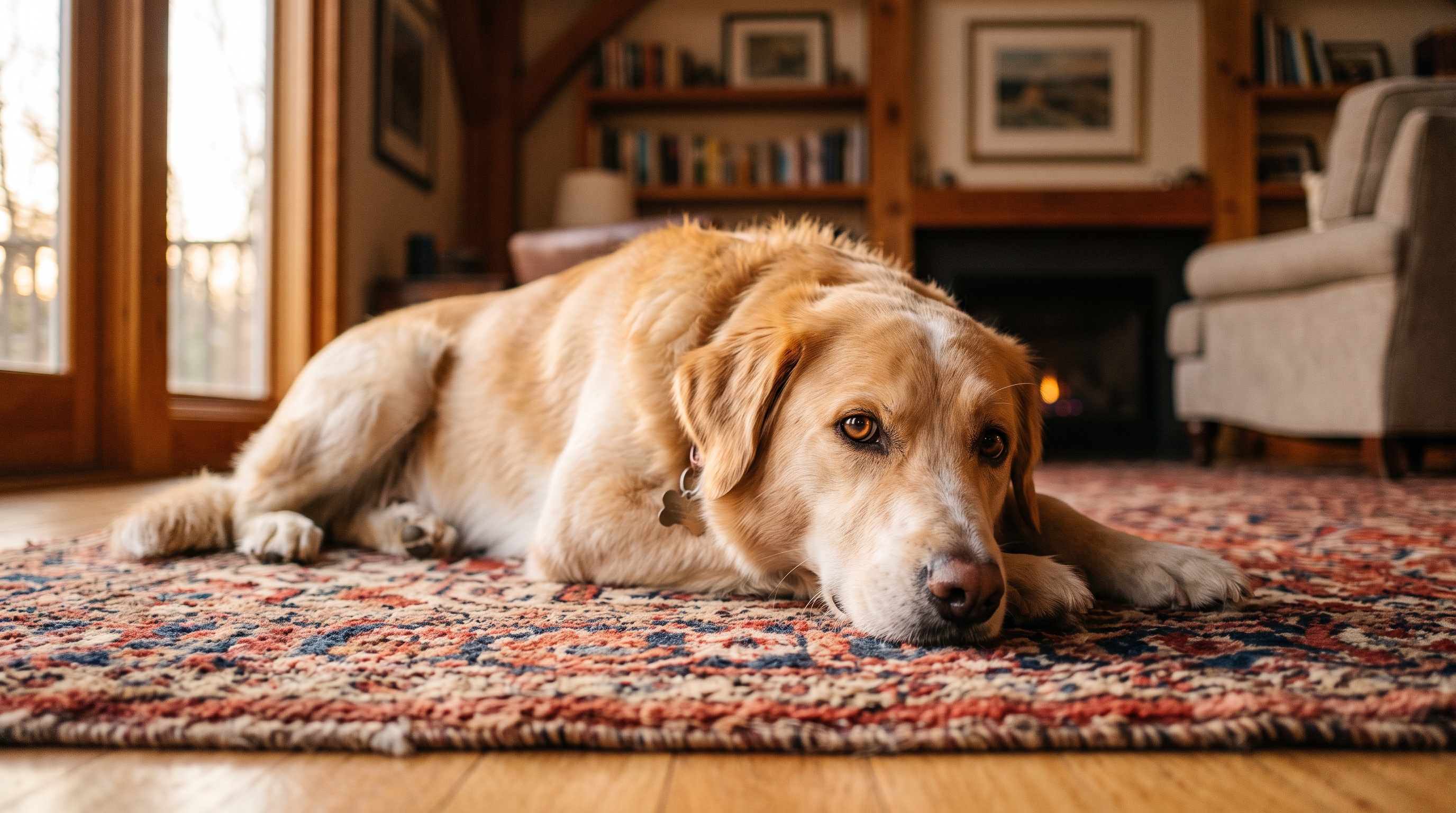
Deep Bonding and Separation Stress
Pit Bulls are affectionate, loyal dogs that bond intensely with their families. That bond is one of their greatest strengths as companions. It is also a source of anxiety when separation happens. A Pit Bull separated from their person is a dog experiencing real distress. They might pace, whine, become destructive, or refuse to settle when left alone.
The strength of a Pit Bull's attachment means long absences are genuinely stressful. A Pit Bull left alone all day is often an anxious, stressed dog. Some Pit Bulls express this through destructive behavior, some become withdrawn, some develop obsessive behaviors. The attachment is so strong that separation feels dangerous to them.
Pit Bulls also have a calm, steady temperament when they are with their people. They are not naturally reactive or anxious dogs. This means that when anxiety does show up, it usually has a clear source. Separation, pain, changes in routine, or loss of a family member often triggers it.
Pain Tolerance and Hidden Discomfort
Pit Bulls were bred for strength and power, and that history left them with high pain tolerance. A Pit Bull with hip dysplasia, joint strain, or other discomfort might not limp or cry. They might simply be less playful, move differently, or seem reluctant to engage in activities they once loved. That hidden pain creates baseline stress and anxiety.
A Pit Bull in pain is more reactive, more tense, and less patient than a comfortable Pit Bull. What looks like anxiety might actually be a dog struggling with discomfort. This is especially true in senior Pit Bulls, who often hide significant joint and mobility issues until they are severe.
Skin allergies and environmental allergies are also common in Pit Bulls and create chronic itching and discomfort. An uncomfortable, itchy Pit Bull is a stressed Pit Bull. Treating the underlying allergy often helps behavioral anxiety improve too.
Structure, Company, and Comfort
Pit Bulls do best with regular company and a clear routine. If you work long hours, a dog walker or midday visitor can make a significant difference in your Pit Bull's anxiety level. Some Pit Bulls do well with a companion dog, though compatibility matters.
Create a stable routine. Feeding at the same times, walks at predictable times, and consistent quiet wind-down all help a Pit Bull feel secure. A Pit Bull that knows what to expect is a calmer dog.
Watch for signs of pain or discomfort. Reluctance to move, stiffness after rest, unwillingness to jump or play, or changes in gait often signal joint issues or pain. Talk to your vet about these signs. Managing pain through treatment, activity modification, and sometimes medication can improve both comfort and behavioral anxiety.
If your Pit Bull's anxiety is new or worsening, or if it is paired with changes in movement, appetite, or energy, talk to your vet. Pain, illness, and aging can all drive anxiety in dogs that are usually stable and calm. Your vet can help you address the root cause and support your Pit Bull's wellbeing and quality of life.