How to Keep an Aging Goldendoodle Healthy
Emotional Health: The Velcro Bond and Separation Stress
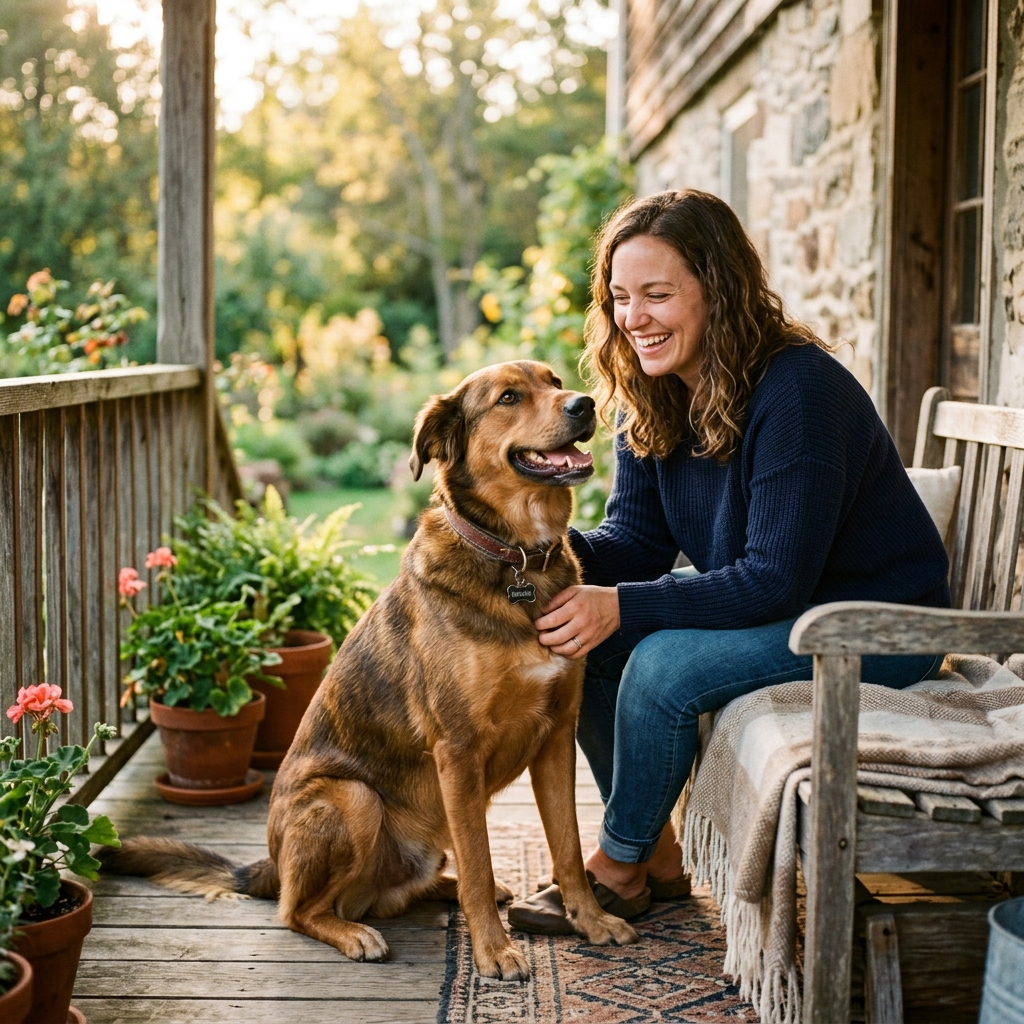
Goldendoodles were born to be with their people. The combination of Poodle emotional sensitivity and Golden Retriever devotion means a typical Goldendoodle becomes deeply attached to their family. In younger years, this attachment is manageable. In senior years, a Goldendoodle separated from their people often develops or worsens separation anxiety. A senior Goldendoodle left alone for long hours can develop stress-related behaviors like excessive barking, destructive behavior, or even aggression. More importantly, chronic stress in a senior Goldendoodle impacts physical health. Anxiety worsens inflammation, can spike blood pressure, and makes pain feel worse. An anxious aging Goldendoodle often shows behavioral symptoms before they show obvious physical ones. If your senior Goldendoodle starts pacing when you leave, panting heavily, or acting panicked, this isn't just a behavioral problem. The anxiety is stressing their aging body. Keeping your senior Goldendoodle close as much as possible, providing calm companionship, and reducing separation time protects both their emotional wellbeing and physical health.
Ear Care: Preventing Infection in Floppy, Hair-Filled Ears
Goldendoodles often inherit floppy ears from the Poodle parent, and these ears create ideal conditions for ear infections. The combination of folded ear flaps, hair inside the ears, and moisture creates an infection waiting to happen. Many Goldendoodles deal with ear issues throughout their lives, but infections become more problematic in senior years. An older Goldendoodle might have underlying issues like thyroid changes or allergies that make their ears more infection-prone. Check and clean your Goldendoodle's ears twice a week as routine maintenance. Use a vet-approved cleaner and dry ears thoroughly after any water exposure. If you notice your Goldendoodle scratching ears, shaking their head, or if you smell odor from their ears, get a vet exam promptly. Some Goldendoodles benefit from having ear hair plucked to improve air circulation. Others need regular professional cleanings to prevent recurring infections. For an aging Goldendoodle prone to infections, prevention is far better than managing repeated infections.
Joint Support and Lean Weight Through the Long Senior Years
Goldendoodles' larger size, combined with hip dysplasia risk from both parent breeds, means joint care is central to comfortable aging. An overweight Goldendoodle carries stress on hips and elbows with every step. A lean Goldendoodle moves more freely and handles joint changes better. Keep your senior Goldendoodle at a healthy weight by measuring portions carefully and treating treats as part of daily calories. As activity naturally decreases in senior years, portions often need to decrease too. Gentle movement like short walks or swimming keeps joints mobile and muscles strong. Provide soft bedding and ramps to minimize impact. Many aging Goldendoodles benefit from supplements like glucosamine or fish oil that support joint health. Some need pain management as osteoarthritis develops. Work with your vet to create a support plan that keeps your aging Goldendoodle comfortable and mobile. A well-managed senior Goldendoodle often continues moving freely into their late years.