Why Your Beagle Paces at Night
The Beagle's Pack Anxiety at Night
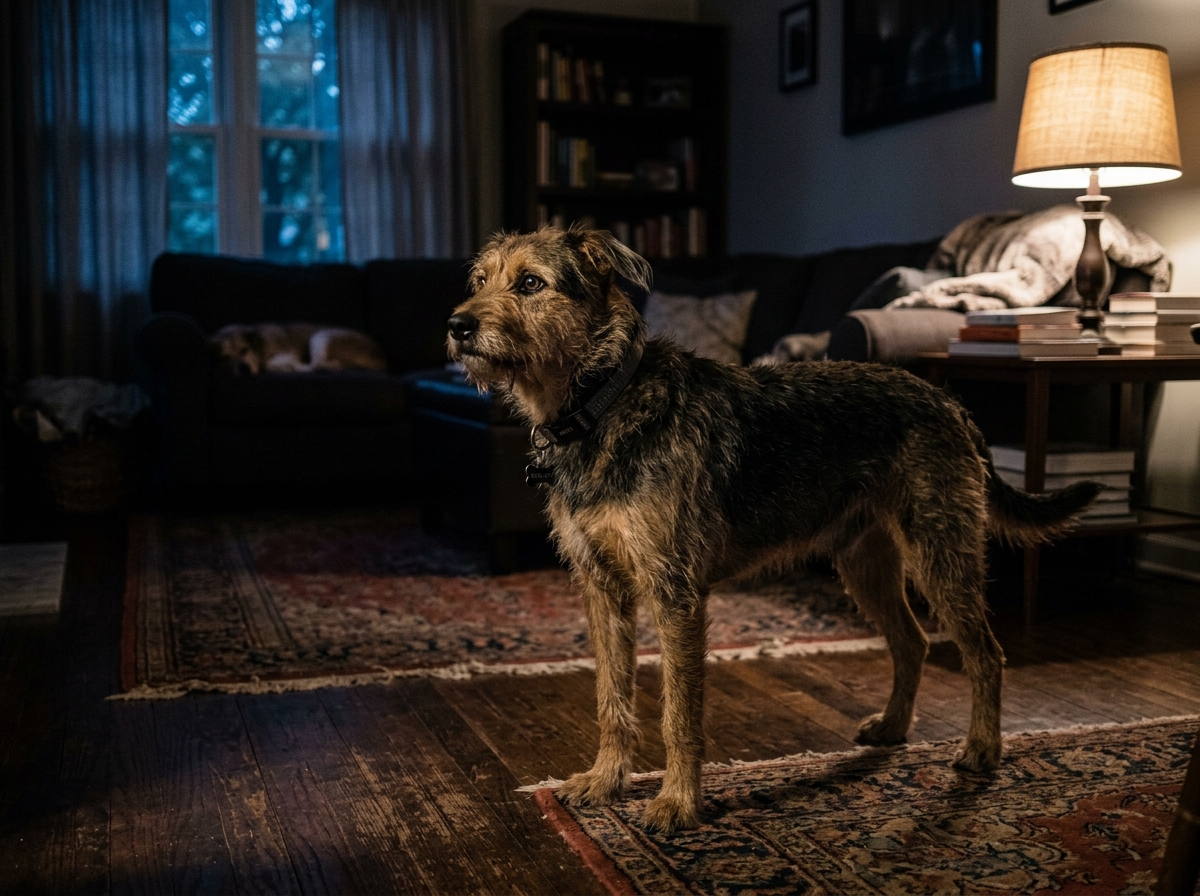
Beagles were bred to hunt in packs, and that pack heritage runs deep in their bones. A beagle alone at night isn't just lonely; they're anxious. The separation from their family unit conflicts with their core need for company. Unlike some breeds that tolerate alone time, many beagles spiral into distress, and pacing is their response. They're searching for their pack, checking doorways and windows, calling out if they're vocal beagles. This isn't behavioral stubbornness; it's genuine anxiety rooted in their breeding. A beagle sleeping separately from their family sometimes paces all night, and even a beagle in the same room might pace if they're confined where they can't move closer to you. The pacing serves a purpose in their mind: staying connected to or searching for family. Some beagles will pace until exhaustion forces sleep, never truly resting. Others pace then settle when they realize the situation isn't changing.
The Scent-Driven Beagle's Restless Mind
A beagle's nose is their primary sense, and that nose works overtime at night. Outdoor scents, neighborhood sounds, and the smells coming through windows can keep a beagle's senses engaged and alert. They pace because something interesting is happening in the world, and they want to investigate. This isn't anxious pacing; it's interest pacing. A beagle at a window or door pacing might simply be tracking outdoor activity. The nighttime often brings more activity a beagle finds compelling: raccoons, other dogs passing by, delivery trucks. Their nose follows these scents and their mind follows their nose, leaving sleep impossible. Weight is another factor unique to beagles. This breed has a notorious tendency toward obesity, and extra weight stresses joints, making lying down uncomfortable. A heavier beagle might pace because lying still hurts, mixed with the distraction of nighttime scents.
Pack Structure and Beagle Night Rest
Sleeping near your family transforms many beagles' nights. A beagle in your bedroom or in a crate in your room often settles immediately because the separation anxiety vanishes. You're pack, they're pack, everything is safe. Consistency with bedtime routine also helps. Beagles thrive on structure and knowing what to expect. The same time, same routine signals safety. Limiting access to windows and doors in the evening reduces the scent stimulation that keeps them engaged. A bedroom without a view of the street or yard helps their mind wind down. Weight management matters tremendously. A healthy-weight beagle has fewer joint issues to make sleeping uncomfortable. Physical exercise during the day helps, but with beagles, you need to manage their food intake carefully since they're so food-motivated they can gain weight even with good activity. If pacing continues despite closeness, good routine, and weight management, check with your vet about joint or health issues that might be driving it.