Why Your Dog Paces at Night and How to Help
Key Takeaways
- Nighttime pacing signals discomfort, anxiety, confusion, or bathroom needs, not simple restlessness
- Senior pacing often ties to aging, pain, or cognitive change and merits a vet visit
- Poor sleep creates a cycle of worsening anxiety and declining health
- A comfortable bed, easy bathroom access, and vet guidance help most dogs sleep better
Common Reasons Dogs Pace at Night
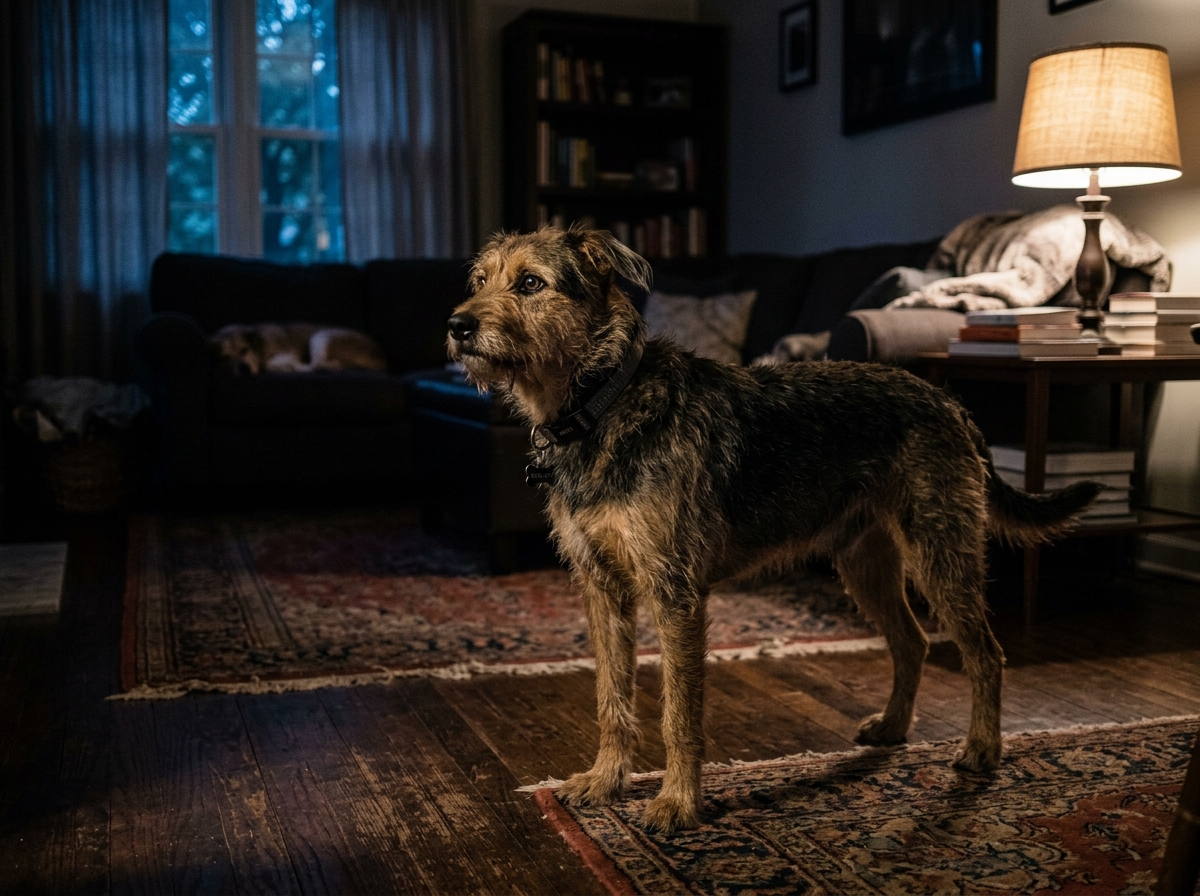
When your dog paces at night instead of sleeping, something is off. The most common causes are physical discomfort like joint pain or an upset stomach, anxiety, or the need for a bathroom break. A younger dog might pace after too much daytime stimulation or too little exercise. Older dogs pace for different reasons.
Pacing can also come from an overstimulating day, stress about changes at home, or a shift in the sleep schedule. Some dogs learn to pace at night if it has earned them attention before. Finding the root cause is the first step toward better rest.
Aging and Cognitive Changes
Senior dogs commonly pace at night because of cognitive decline. As the brain ages, the internal clock shifts. Your dog loses track of time, forgets where they are, or gets confused about day and night. This is sometimes called sundowning, similar to what happens in older people.
An aging dog may also pace because they forgot they already went outside, or cannot remember where their bed is, so they pace to reorient. Cognitive change is part of aging for many dogs, and it is manageable with the right support and understanding.
Pain and Physical Discomfort
Pacing at night is often a signal of pain or discomfort. Arthritis, hip issues, or other joint problems can feel worse at night when stiffness sets in after rest. Digestive discomfort, a urinary infection, or other internal issues can also drive pacing.
Some dogs pace because they need to go out more often, which is common in seniors or dogs with incontinence. If your dog paces and then immediately asks to go outside, a medical issue may be at play, and your vet can run tests to find the cause.
How Sleep Loss Affects Your Dog's Health
Poor sleep is not just uncomfortable, it compounds anxiety and pain. Sleep quality directly affects aging and longevity. A dog who does not sleep well has a weaker immune system, slower healing, and a shorter fuse.
When your dog loses sleep at night, they become more reactive during the day, less able to handle stress, and more prone to accidents and worry over small changes. Helping your dog rest well is one of the best things you can do for their long-term health.
Creating a Restful Sleeping Environment
Start with the basics. A comfortable bed in a quiet, dimly lit space is essential, and older dogs appreciate a nightlight since darkness feels scary with vision loss. Keep the area cool and draft-free, and some dogs settle better with white noise or soft music.
Make sure your dog can reach water and a place to relieve themselves, since a dog who cannot get there will pace in distress. Keep the route outside clear and easy. If the bed is too high or too hard, an orthopedic option is kinder to aging joints. If pacing is new or worsening, ask your vet about pain management, medication, or calming supplements that might help.