Why Your Bernedoodle Paces at Night
The Social Bernedoodle's Separation Distress
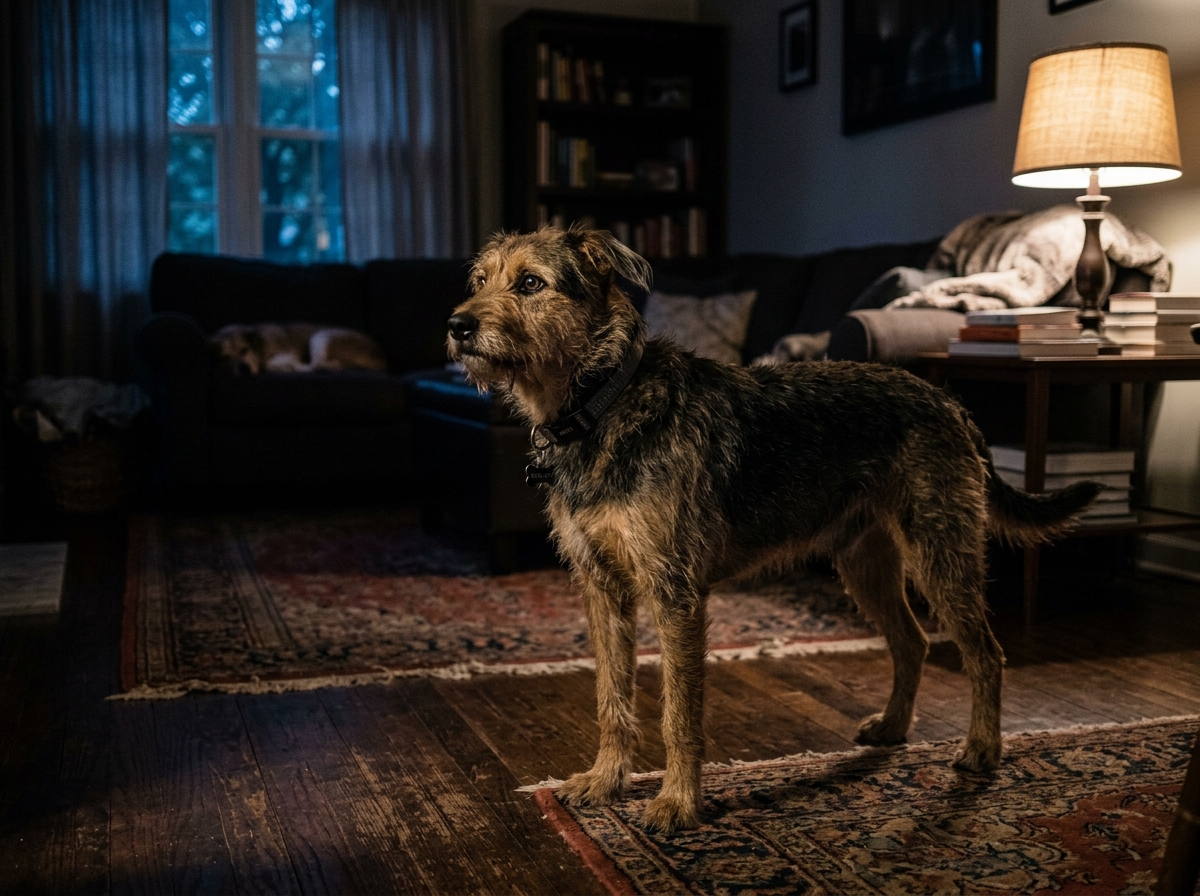
Bernedoodles are social, affectionate dogs that blend Bernese Mountain Dog calm with Poodle sensitivity. They thrive on companionship and struggle with solo time. A bernedoodle separated from their family at night often experiences anxiety. These dogs don't do well alone, and sleeping separately creates genuine distress. Some bernedoodles will pace all night, searching for family, anxious about being away. Even a bernedoodle in the same house but in a separate room might pace if they're not close enough to their people. These dogs are people-focused, and distance from those people creates emotional turmoil. The pacing is their response to anxiety about separation. Some bernedoodles reach a point of exhaustion and finally sleep, but it's not restful sleep; it's resignation. A bernedoodle sleeping close to family often settles immediately, their anxiety replaced by security.
Inherited Ear and Allergy Issues
Bernedoodles inherit the poodle's floppy ears and the risk for both ear infections and skin allergies. Chronic ear infections cause low-level pain that often worsens at night when the ear has been flopping against warm skin all day. A bernedoodle with ear inflammation experiences discomfort when lying down. Night pacing sometimes signals ear pain. Skin allergies also occur in the breed and itch unbearably at night when there's nothing to distract them. A bernedoodle pacing frantically while scratching is uncomfortable and distressed. Hip dysplasia and elbow dysplasia can also develop, and some bernedoodles pace from joint pain. Many bernedoodle owners don't connect pacing to physical issues because they think of it as behavioral. But a bernedoodle pacing is often an uncomfortable dog.
Routine and Closeness for Bernedoodle Rest
Let your bernedoodle sleep close to you or in your room. These sensitive, social dogs rest better with their family nearby. A consistent bedtime routine also matters. The same time, same calm sequence every night provides structure that helps their anxious mind settle. Avoid exciting games or stimulation close to bedtime. A bernedoodle's emotional state directly affects their ability to rest. Regular ear cleaning and allergy management help prevent infections and itching. A vet assessment for allergies helps identify triggers and management strategies. If pacing seems tied to physical discomfort, a vet check for ear issues, allergies, or joint problems is worth doing. Pain management or allergy support, combined with closeness and routine, usually transforms how a bernedoodle rests. Most bernedoodles with social connection, health care, and consistent structure settle into restful sleep.