Why Your Boxer Paces at Night
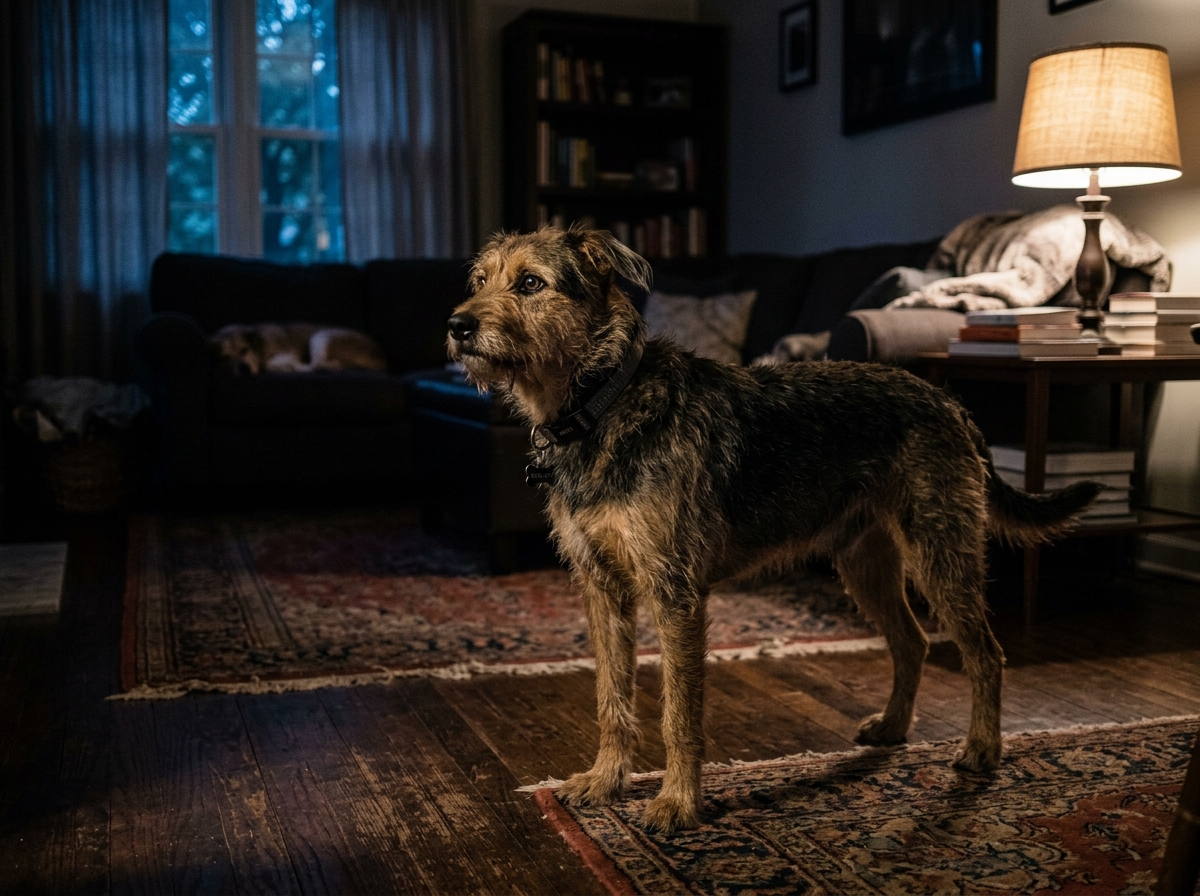
The Boxer's Never-Ending Puppyhood
Boxers stay playful and energetic well into adulthood, and sometimes that energy never truly winds down. A boxer with unspent enthusiasm reaches evening still ready to play, unable to shift into rest mode. Unlike some breeds that tire and crash, boxers often stay high-energy, and pacing becomes their outlet when play time ends. They're not anxious; they're bored with bedtime. Some boxers will pace for an hour before finally settling, because lying still feels like a waste of their playful energy. This is especially true for younger boxers or those without enough daytime activity and play. A boxer who's had a good day of playing, training, or other engagement usually settles better than one who's been mostly inactive. But even an active boxer might pace if evening brings a sudden halt to stimulation. Some boxers also pace because they're watching for their family or hoping someone will engage them in play.
Hidden Health Issues in an Enthusiastic Breed
Boxers are known for serious health conditions, but their playful enthusiasm can hide significant problems. Heart conditions are more common in the breed than many owners realize, and some boxers have early heart disease that causes discomfort or anxiety when lying down. A boxer with heart trouble might pace because rest feels uncomfortable or frightening. Certain cancers are seen in boxers, and hip dysplasia stresses the breed as well. Many boxers don't show obvious signs of illness until problems are advanced, partly because their nature is to stay upbeat and engaged. A boxer pacing at night might actually be experiencing pain or cardiac discomfort that their daytime enthusiasm masks. Because boxers can hide serious issues so effectively, senior health screening is important. A vet assessment can identify heart problems, joint issues, or other health concerns that might be driving the pacing.
Channeling Boxer Energy Into Restful Nights
A boxer needs good exercise during the day, but high-energy play close to bedtime will keep them wired all night. The timing matters. An afternoon play session or training work helps burn energy, but an evening that's calm and structured helps them transition to rest. Some boxers respond well to a routine calmness signal, like a specific treat or a quiet time together before bed. A tired boxer usually settles better than a wired one, but true tiredness requires real physical and mental engagement during the day. A comfortable bed matters, and as boxers age, an orthopedic bed supports their powerful frame. Keeping bedtime consistent helps their body clock adjust to sleep time. Some boxers do better with background noise or your presence nearby during sleep, while others need quiet and solitude. Testing different conditions helps you find what works for your boxer. If pacing includes other changes like difficulty breathing, reluctance to move, or loss of appetite, a vet check is important to rule out health issues.