Why Your Cavalier King Charles Paces at Night
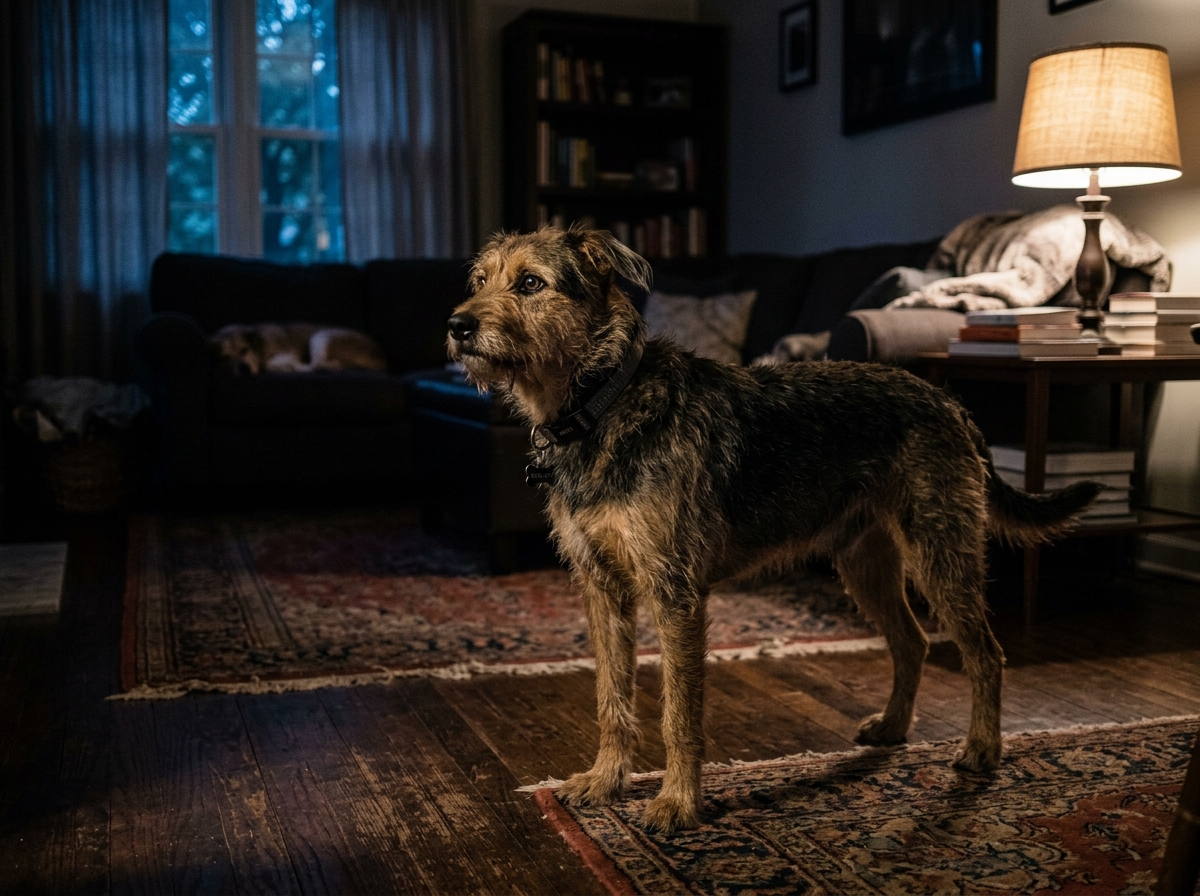
The Cavalier's Desperate Need for Their Person
Cavaliers are perhaps the most family-oriented dogs, bonded so deeply to their people that separation distresses them profoundly. A cavalier separated from family at night often experiences genuine panic. They don't just miss you; they're anxious about your absence. A cavalier might pace all night, searching for you, frantic with worry about where you've gone. Even a cavalier sleeping in the same house but in a different room might pace if they can't be physically close to you. These dogs measure their whole world by proximity to their person. Alone at night is incomprehensible to them. They're people-pleasers and people-followers in the most intense way. A cavalier without their person nearby will rarely truly rest, instead spending the night in a state of worried searching. Many cavalier owners don't realize how distressing solo sleep is for their dog until they try sleeping nearby and witness the immediate settling.
Heart Problems and Mitral Valve Disease
Cavalier King Charles Spaniels are predisposed to mitral valve heart disease, a condition where the heart valve weakens over time. This disease often develops silently, and many cavaliers have early heart disease that goes undetected until more advanced. A cavalier with heart disease might experience discomfort when lying down, as the weakened heart struggles to work from that position. Some cavaliers will pace because lying still feels uncomfortable or even frightening. Heart disease can also cause anxiety as the dog's nervous system senses something is wrong. Ear infections are also common in cavaliers with their long, floppy ears. A dog with ear infection or inflammation experiences pain at night, and pacing becomes their way of managing that discomfort. Regular vet screenings for heart disease are important for cavaliers, especially as they age.
Closeness and Heart Health for Cavalier Rest
Let your cavalier sleep with you or in a crate right next to your bed. These dogs genuinely need their person nearby to feel secure. It's not indulgence; it's their core need. Most cavaliers settle immediately when they're close enough to touch their family. A consistent bedtime routine helps signal to their anxious mind that rest is coming. The same time, same calm sequence every night provides structure that helps. Some cavaliers benefit from anti-anxiety support from their vet, especially if separation has been an ongoing stress. Heart health screening becomes increasingly important as cavaliers age. Regular ear cleaning helps prevent infections and associated discomfort. A cool, comfortable sleeping space supports both cardiac and general comfort. Once a cavalier is reunited with their person at night, pain is addressed, and routine is consistent, many sleep peacefully. Understanding that their need for closeness is genuine and accommodating it usually transforms both their sleep and their wellbeing.