Why Your Chihuahua Paces at Night
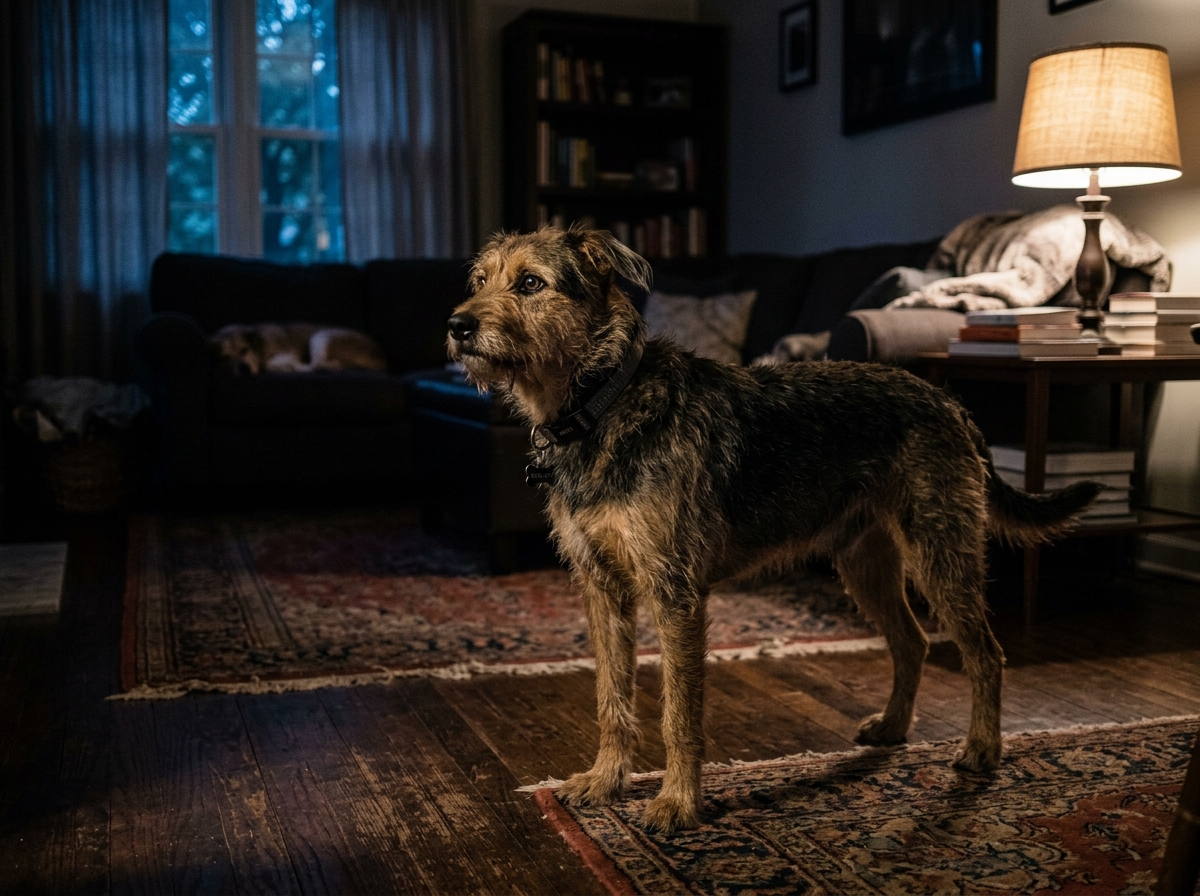
The Anxious Chihuahua's Nighttime Hypervigilance
Chihuahuas are bold little dogs with enormous personalities and equally enormous anxiety. Their small size makes the world feel threatening, and their watchful nature means they notice every sound. At night, when the house quiets, a chihuahua's senses sharpen further. That wind outside becomes a threat. That distant car sound becomes a potential danger. Their nervous system ramps up, and pacing becomes their way of managing the anxiety. A chihuahua might pace the hallways, watching for trouble, unable to relax. Some chihuahuas reach a point where lying down feels unsafe, so they pace all night in a state of anxious vigilance. Other chihuahuas have noise sensitivity so extreme that any sound sends them into pacing fits. The smaller the dog, the more the world overwhelms them sometimes. Unlike a large dog that feels confident, a tiny chihuahua often feels vulnerable. Pacing is their attempt to stay ready for danger.
Dental Disease and Heart Problems in Aging Tiny Dogs
Chihuahuas live long lives, but those years carry serious health challenges. Dental disease is nearly universal in the breed, and infected teeth cause pain that surfaces at night when there's no distraction. A chihuahua with painful teeth will often pace rather than sleep, sometimes drooling or reluctant to eat. Mitral valve heart disease also develops in many chihuahuas over their long lifespan. A dog with early heart disease might experience discomfort or shortness of breath when lying down, which drives pacing. Some chihuahuas pace because their heart is struggling. Others pace from dental pain. Luxating patella, a slipping kneecap, also causes pain in tiny dogs and can keep them restless. Many chihuahuas have multiple issues contributing to night pacing, and a vet assessment becomes crucial. These small dogs live 14 to 17 years, and proper care during those years determines their quality of life in later age.
Safety and Calm for a Chihuahua's Rest
A chihuahua needs a small, enclosed space where they feel safe. A crate, a small dog bed in a quiet corner, or a sectioned part of a bedroom gives them a sense of security that helps reduce anxiety. This isn't about confinement; it's about giving their nervous system a safe zone. Sleeping near you provides additional security. Many chihuahuas rest when they're touching their person. Keeping the environment calm and quiet at night helps. Minimize sudden noises, keep lights low, and avoid anything that might startle them. A consistent bedtime routine signals safety through predictability. The same calm sequence every night tells their anxious mind that this is safe time. Some chihuahuas benefit from anxiety support from their vet, especially if anxiety is extreme. Dental care is crucial for preventing pain-driven pacing. Regular brushing and dental cleanings help many chihuahuas avoid infected teeth and associated discomfort. Heart health checks as they age can catch early disease and allow for management.