Why Your Collie Paces at Night
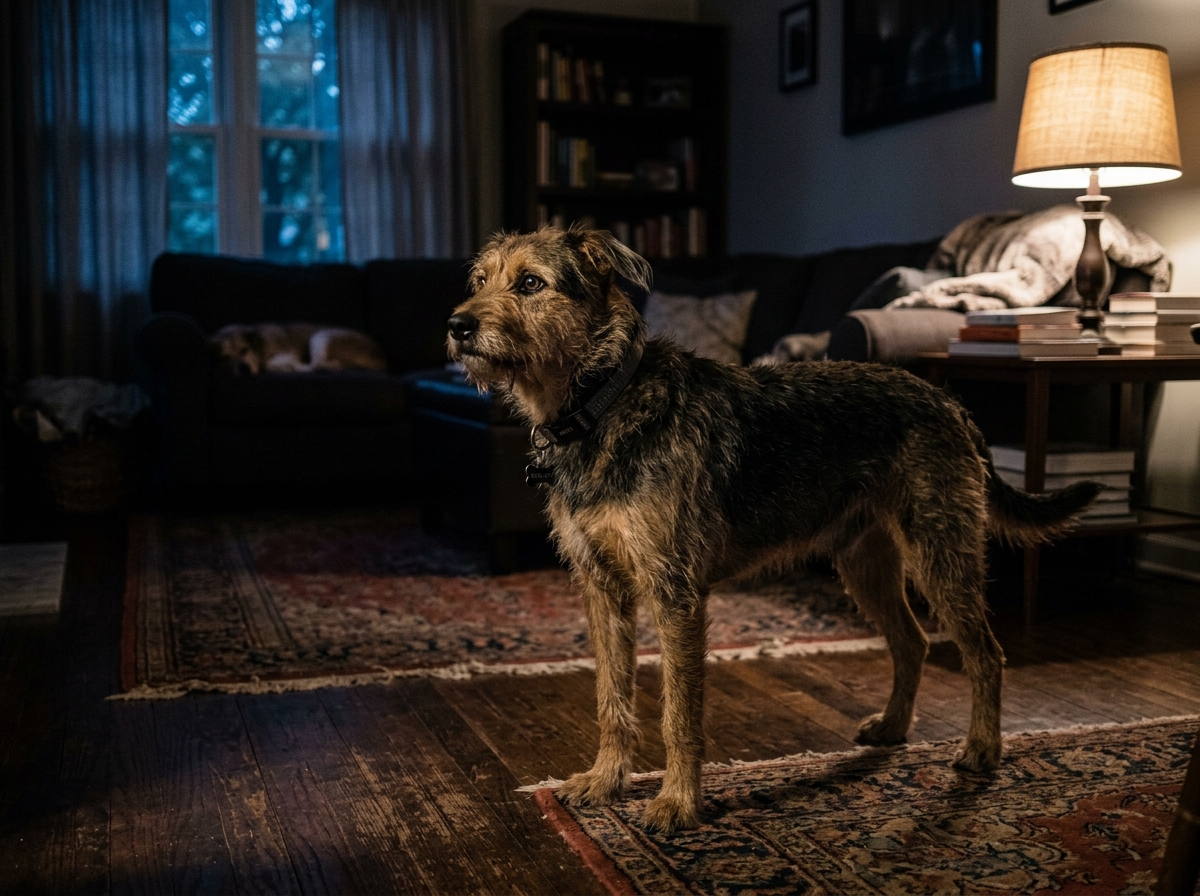
Sensitivity and the Herding Collie's Worry
Collies are sensitive, intelligent, herding-bred dogs that are deeply attuned to their environment. That sensitivity is their gift, but it also makes them prone to worry. A collie's sharp mind picks up on subtle environmental changes and processes them all night. That distant sound, that shift in routine, that change in mood in the household all register deeply. A collie at night might replay the day's events, worrying about inconsistencies. Their herding instinct keeps them alert and watchful, sometimes to the point of hypervigilance. This alert mind makes true relaxation difficult. Some collies will pace at night, unable to settle their worried thoughts. Their sensitivity to sound means they hear more than most dogs and react more dramatically. A collie that's noise-sensitive might pace all night responding to outdoor sounds that other dogs sleep through. The pacing serves a purpose in their mind: processing worry and monitoring their environment.
Routine Changes and Emotional Disruption
Collies thrive on predictability and struggle with change. A shift in their routine, a change in family circumstances, or instability in the household can unsettle them deeply. A collie might pace from emotional distress about changes they sense in their world. Unlike some breeds that simply adapt, collies ruminate. They think about change and worry about what it means. A collie that senses family tension, a change in schedule, or disruption to their routine might pace all night, anxious about instability. Their sensitivity means they pick up on emotional atmospheres other dogs miss entirely. A collie in a chaotic household often paces more than one in a calm, structured environment.
Creating Calm Certainty for a Sensitive Dog
Collies need predictable routine more than almost any other breed. The same bedtime every night, the same morning time, the same feeding schedule signal stability to their anxious mind. Changes to routine should be gradual and explained as much as possible. A calm, stable home environment is essential for collie wellbeing. They pick up on human emotion, so your calmness matters for theirs. Minimize chaos and conflict in the household. Create a quiet sleeping space away from household activity and noise. Some collies rest better knowing their family is nearby, even if they're not touching. A baby gate that lets them see into your room sometimes helps. If your collie's noise sensitivity is extreme, a soundproofed or very quiet sleeping space helps. Anxiety support from your vet sometimes helps collies whose worry is disabling. As they age, joint assessment becomes important. A collie with pain will pace more. Most collies, in a calm, predictable home with their sensitive nature honored and supported, settle into restful sleep.