Why Your German Shepherd Paces at Night
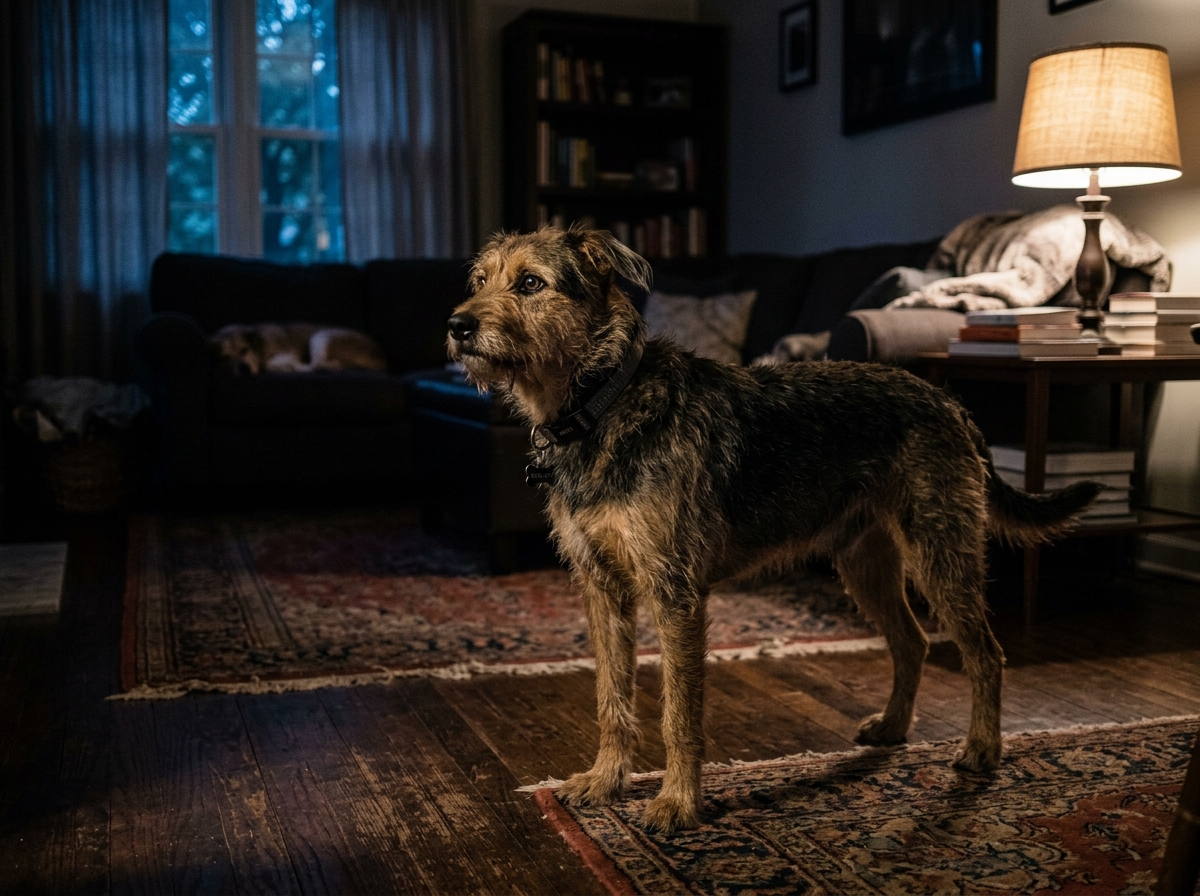
Hypervigilance and the Shepherd's Alert Nature
German Shepherds were bred to guard, alert, and work. That alert mind is their greatest gift and their greatest challenge. A shepherd who spends the day on guard duty, watching for every sound and movement, can reach evening overstimulated and unable to truly rest. Night pacing is sometimes their way of continuing their patrol. They might pace doorways, windows, or the perimeter of your bedroom, trying to protect their family even as they try to sleep. This hypervigilance isn't aggression; it's their nature running at maximum. A shepherd in a chaotic household, one without clear routine and leadership, or one without a structured job will often pace all night as their working mind searches for something meaningful to do. The pacing serves a purpose to them: vigilance. Breaking it requires both giving them an outlet for that drive during the day and creating a calm, structured evening that tells them the guard shift is over.
Silent Pain in a Working Dog
Shepherds don't complain. They power through pain because their temperament is to work through discomfort. Hip dysplasia and elbow dysplasia are seen in the breed, along with degenerative myelopathy, a progressive spinal condition that weakens the back legs. A shepherd might appear fine during the day, especially if they have a strong bond and want to stay close to you. But at night, when they finally lie down and their body cools, the pain surfaces. Pacing becomes their way of managing discomfort without alarming you. Many shepherd owners don't realize their dog is in pain until they see the pacing, the reluctance to jump, or the rear-end weakness. If your shepherd is pacing at night and also showing signs of stiffness in the morning, difficulty rising, or reluctance to jump, pain is likely the issue. A vet assessment and pain management plan can transform their nights.
Creating a Shepherd's Off-Duty Space
Shepherds need both a job and a clear signal when work is done. If your shepherd doesn't have structured activity or training, their mind never fully shuts down. Building an evening routine that signals the end of the workday helps. After an afternoon of exercise, training, or purposeful play, a calm evening with no new stimulation tells their body it's time to rest. Keep the bedroom quiet and free of activity that triggers alerting. Some shepherds rest better when they have a defined space they own, like a crate or a specific bed, rather than roaming. Leadership matters too. A shepherd who knows you're in control of the household and keeping everyone safe rests easier than one who feels they must do the job alone. Consistent bedtime routines, calm commands rather than high-energy games in the evening, and a cool, dark room all support better sleep. If hypervigilance continues despite these measures, your vet might recommend calming support to help their mind settle.