Why Your Mixed Breed Paces at Night
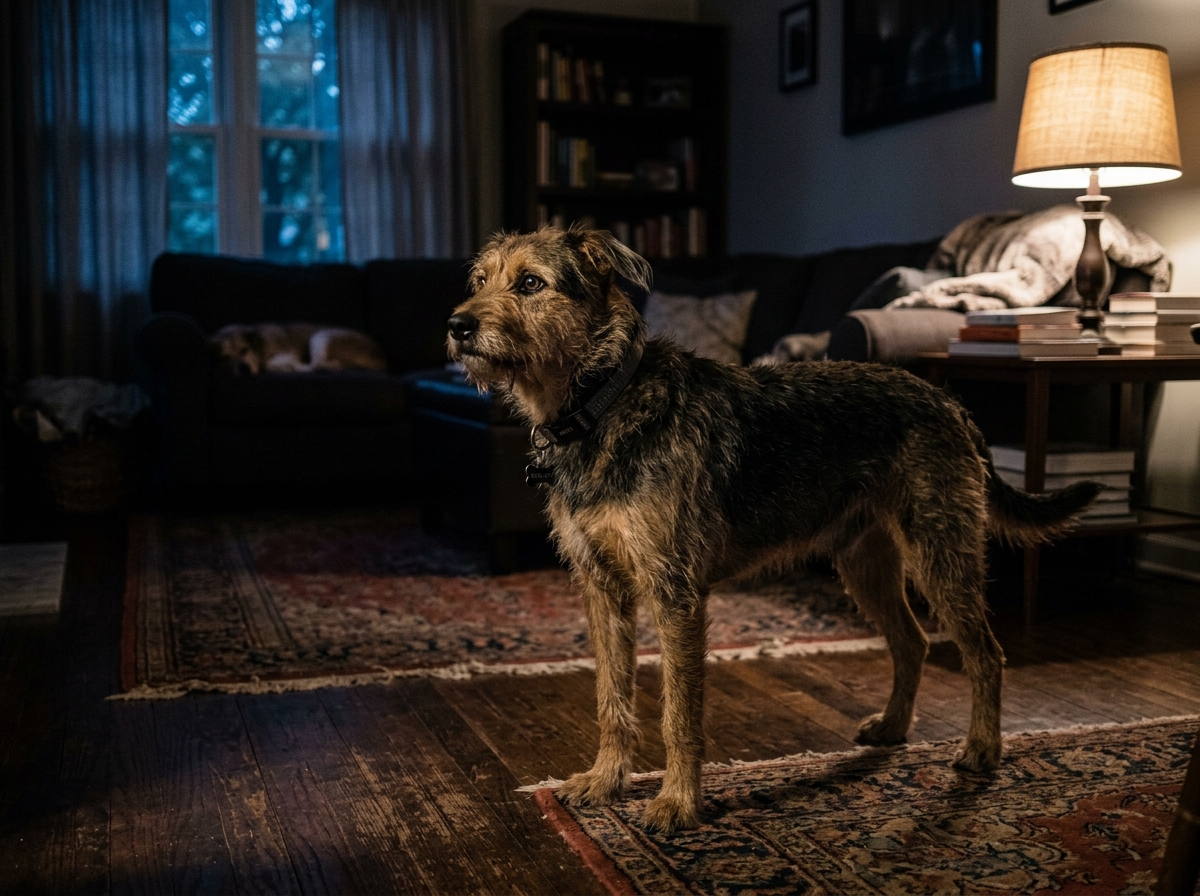
Why Your Mixed-Breed Dog Paces at Night
Every mixed-breed dog is shaped by its own combination of genetics, past experiences, and individual temperament. Night pacing in your mixed-breed might come from a background of stress, a genetic tendency toward anxiety, or physical discomfort from developing arthritis. Some mixed breeds inherit a higher metabolism or alert nature from one side of their family tree, and that wakefulness shows up as restlessness after dark. Others may have learned early that pacing gets them attention. The key is watching your individual dog closely. Does the pacing start suddenly or build over time? Does it happen after excitement, or during quiet evenings? The pattern tells you what's actually driving it.
Sleep Loss and Your Aging Mixed Breed
When your mixed breed loses sleep to pacing, their whole next day suffers. A restless night means a foggy, irritable morning. Over time, chronic sleep loss weakens their immune system, dulls their cognitive function, and makes existing health issues worse. A senior mixed breed who doesn't sleep well will show faster decline in memory, less interest in play, and greater pain sensitivity. A good night matters more as your dog ages. If pacing has become the norm, your dog's body is trying to tell you something, whether that's pain, anxiety, or a need for more daytime structure. The sooner you address it, the sooner their nights improve and their days brighten.
Building Better Nights for Your Mixed Breed
Start by making bedtime predictable. Same time, same routine, same quiet space. A comfortable bed matters more than many owners realize, especially if your mixed breed shows signs of joint stiffness. Some dogs rest better on orthopedic foam than on cold floors. A short walk an hour before bed helps, but not intense exercise that leaves them wired. Keep the bedroom cool and dim. If your dog has always been anxious, a crate or small room where they feel safe often helps more than free roaming. If pacing is new or worsening, a vet visit is essential to rule out pain, cognitive change, or medical issues. Once medical causes are ruled out, consistent bedtime habits settle many dogs quickly.