Why Your Pomeranian Paces at Night
Watchfulness and Noise Sensitivity in a Tiny Package
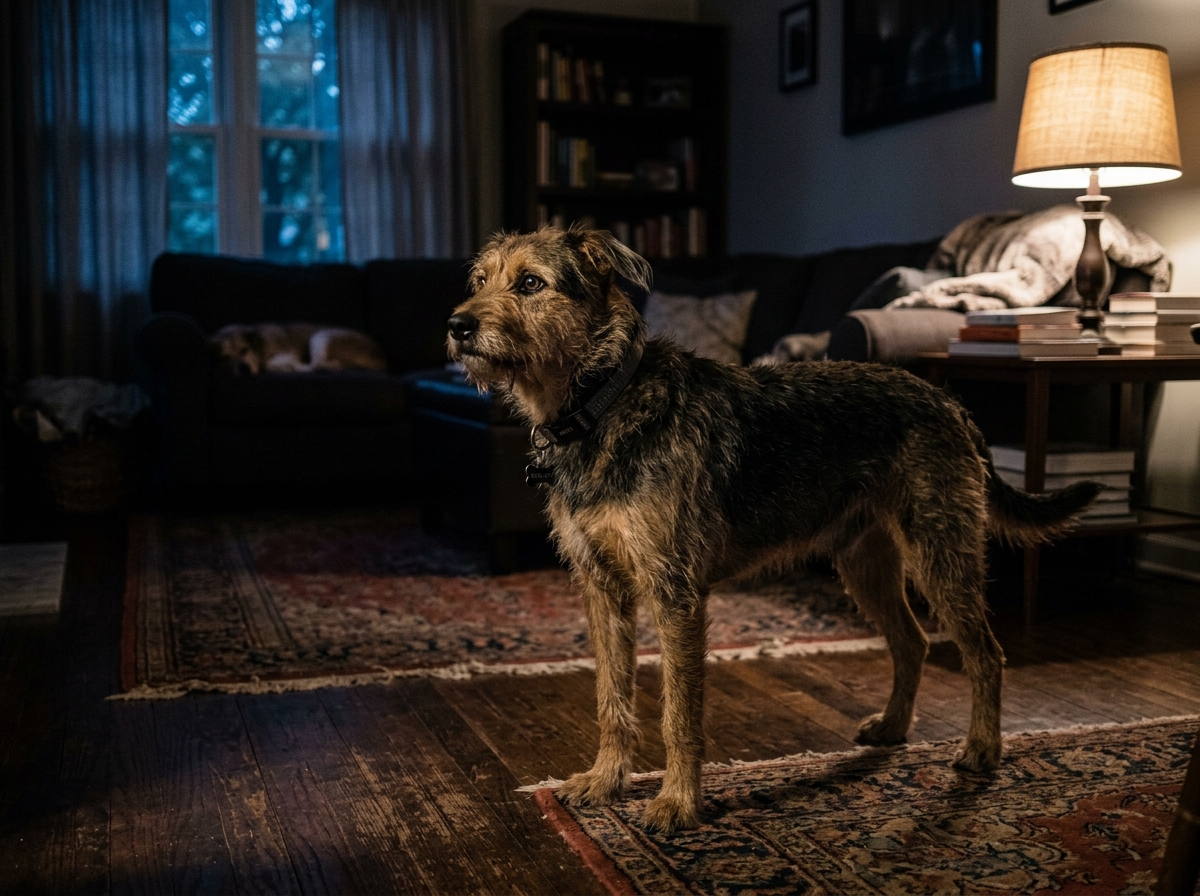
Pomeranians are alert and vocal despite their tiny size. They notice everything and often have noise sensitivity that makes rest difficult. At night, when the world quiets but becomes more interesting to hear, a pomeranian's senses sharpen. That distant car, that neighbor's dog, that wind in the trees all register as important. A pomeranian might pace all night, tracking sounds, unable to relax. Their barking at night is sometimes not behavioral; it's their response to the stimulation their sensitive ears pick up. Some pomeranians are so sound-sensitive that normal household noises keep them vigilant and restless. Others have separation anxiety that combines with their watchfulness to create constant pacing. The combination of being tiny, loud, and anxious means pomeranians sometimes spend their entire night in a state of alert, searching for danger.
Tiny Health Issues With Big Impact
Pomeranians are prone to tracheal collapse, a condition where their windpipe weakens and breathing becomes difficult. A pomeranian with tracheal collapse might pace because lying down makes breathing feel harder. Some pomeranians will pace, trying to find a position where their airway feels more open. Dental disease is also common in toy breeds, and infected teeth cause pain that surfaces at night. A pomeranian with painful teeth will often pace rather than rest. Luxating patella, a slipping kneecap, also affects small dogs and can cause pain. A pomeranian might pace because movement feels better than lying down. Heart issues can also develop, causing discomfort when at rest. These tiny dogs can have multiple health issues contributing to night pacing.
Calm Spaces and Health Care for Pomeranian Rest
Create a soundproofed or quiet space where your pomeranian sleeps. Heavy curtains, white noise, or a bedroom away from street sounds helps. Sleeping near you provides security and often reduces pacing. These tiny dogs often rest when touching their person. A consistent bedtime routine signals safety through predictability. Keep evenings calm with no exciting games or stimulation close to bedtime. Dental care is crucial, as infected teeth cause pain and restlessness. Regular brushing and professional cleanings prevent much dental disease. A vet assessment for tracheal collapse, heart issues, or other health problems is worth doing if pacing seems tied to discomfort. Sometimes raising their head slightly helps breathing if tracheal issues are present. Most pomeranians, in a quiet space, with closeness and good health care, settle into restful sleep despite their watchful nature.