Why Your Poodle Paces at Night
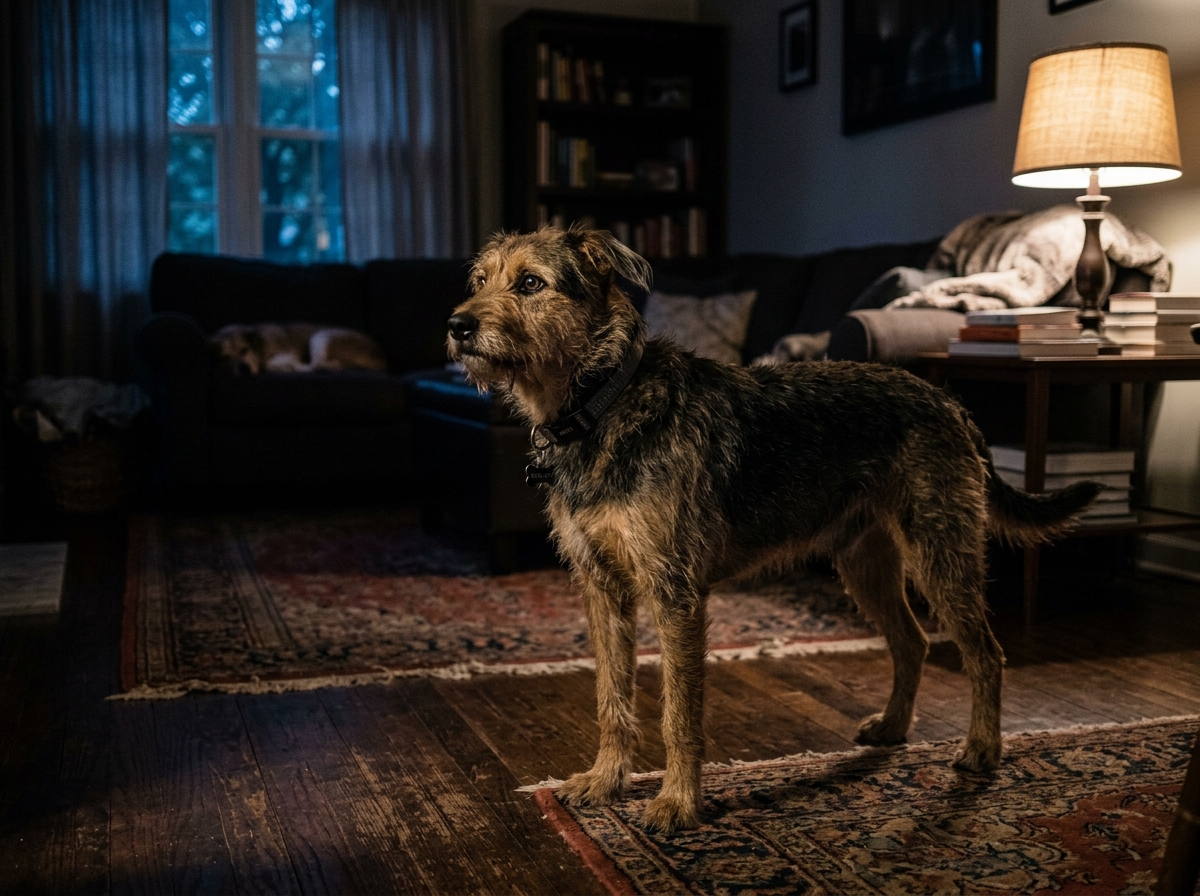
A Poodle's Sharp Mind at Midnight
Poodles are among the smartest dogs, and that brilliant mind can work against them at night. A poodle who spent their day watching, learning, and worrying can reach evening with their nervous system wound tight. Unlike some dogs who can simply crash after activity, poodles think. They worry. They remember changes and inconsistencies. If something felt different today, a poodle's mind replays it all night. If their routine shifted, they're anxious about what comes next. If they spent the day alone, they're processing the separation. This overthinking often looks like pacing: a poodle moving through the house, unable to settle their mind enough to rest. The pacing gives their worried mind something to do while they try to calm down. A poodle with separation anxiety will pace especially intensely, their distress over alone time carrying into the evening hours. Their sensitivity is real and shouldn't be dismissed as behavioral nonsense. A poodle pacing is a poodle in emotional distress.
When Sleep Loss Compounds Worry
A poodle who doesn't sleep becomes increasingly anxious. Their brilliant mind needs rest to process information and manage emotions. Night pacing means no real sleep, which means daytime behavior gets worse: more barking, more anxiety, more reactivity. The cycle feeds itself. A Poodle who hasn't slept well approaches the next day already depleted, so minor changes feel catastrophic. A vet visit feels terrifying instead of routine. Separation from you feels abandonment rather than a normal part of the day. Over weeks of poor sleep, anxiety intensifies, and pacing gets worse. Breaking this cycle requires both addressing what's making them anxious and rebuilding their ability to trust sleep. Some poodles respond beautifully to anxiety support from their vet once they realize it exists. Others just need the reassurance of a consistent routine and your calm presence nearby. Either way, sleep matters more for a poodle's overall wellbeing than for many other dogs.
Building Mental Calm for a Poodle's Restful Night
Structure matters more for poodles than for many breeds. The same bedtime, the same routine, the same sleeping space day after day teaches their mind that night is safe and predictable. Daytime engagement also matters: a poodle with enough mental work during the day settles more easily when evening comes. Puzzle toys, training sessions, and interactive play tire their mind, which their body needs in order to rest. Avoid big changes near bedtime. A poodle doesn't do well with surprises in their evening routine. The same calm sequence every night signals their brain to wind down. Some poodles rest easier sleeping where they can see or hear you, at least initially. A baby gate that lets them see into your bedroom can ease separation anxiety enough to break the pacing cycle. Once they're resting well, they often accept sleeping in their own space. If anxiety persists despite routine and structure, your vet might discuss anti-anxiety support, which helps some poodles reset their nervous system completely.