Why Your Retriever Paces at Night
Pain Hiding Behind a Wagging Tail
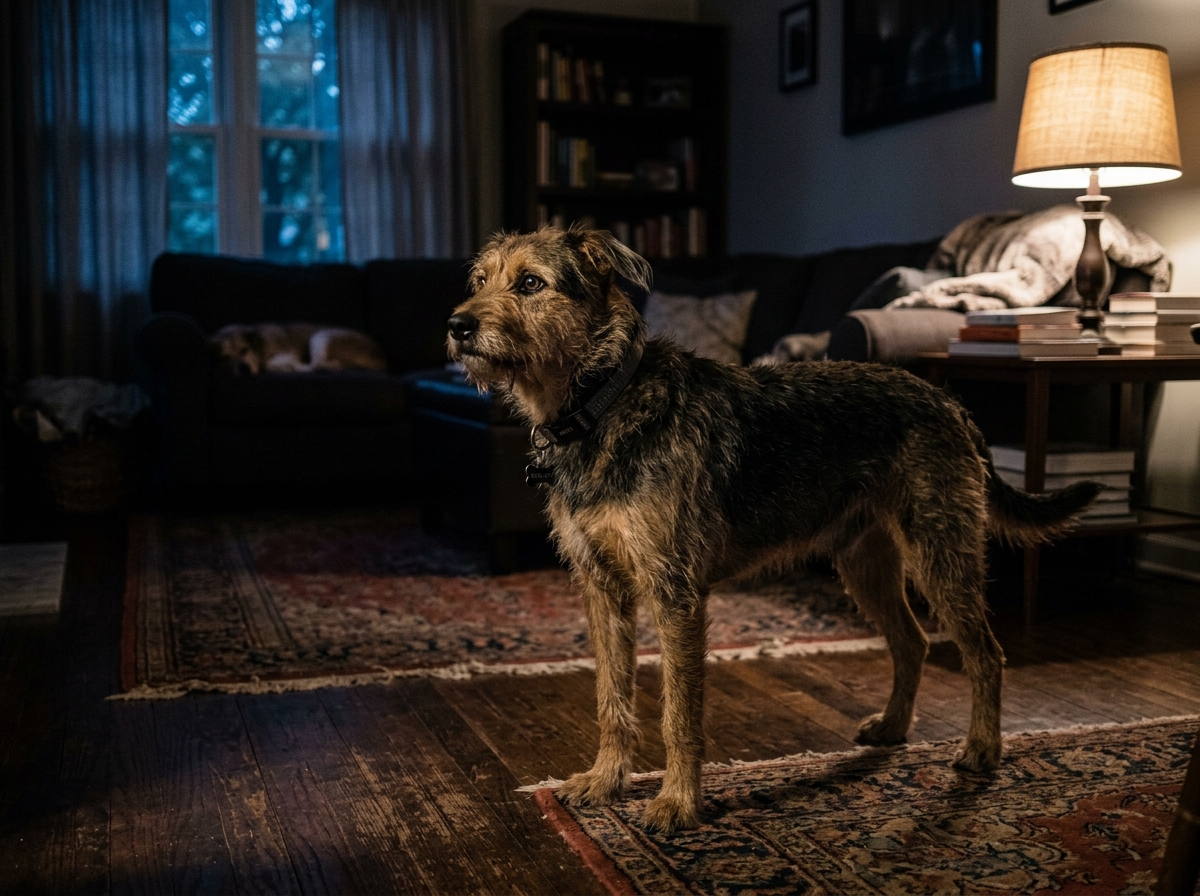
Retrievers are built to hide discomfort. Their friendly, eager temperament makes them push through pain to please their people. Hip dysplasia and elbow dysplasia are common in the breed, and weight gain adds stress to aging joints. A retriever might wag enthusiastically during the day but pace restlessly at night because the pain of moving through their day finally catches up. By evening, lying down hurts, standing up hurts, and they can't find a position that feels right. Night pacing is often their quiet way of saying their joints need relief. Many retriever owners miss this signal because their dog stays cheerful and affectionate throughout the day. Your vet can check for joint disease and recommend pain management, which often stops the night pacing immediately.
Separation and the Retriever's Need for Closeness
Retrievers bond deeply with their families, and a retriever alone at night can spiral into anxiety. If your retriever sleeps separately from you or has experienced sudden changes in routine, night pacing might be separation stress. These dogs need to know you're near and that the night isn't a abandonment. A retrieving dog that spent all day with you suddenly confined away at night can become restless and frantic. The pacing serves a purpose in their mind: it's either an attempt to find you or a way to burn off the anxious energy they feel. Sleeping in your room, a crate placed near your bed, or even a piece of your worn clothing in their bed can transform a retriever's night. These dogs truly do sleep better when they feel part of the pack.
The Retriever's Nightly Comfort Strategy
Build an evening routine that calms rather than stimulates. An hour before bed, wind down the play and excitement. A short walk at twilight helps them settle without leaving them overstimulated. An orthopedic bed makes a real difference for aging retrievers, especially those with joint concerns. Many retriever owners swear by cooling beds, since retrievers often overheat at night and find it hard to get comfortable. A quiet bedroom with steady temperature, low light, and minimal distractions gives them the calmness they need. If your retriever typically paces before finally lying down, that's often anxiety or habit seeking to be interrupted. A consistent sleep time, even on weekends, trains their body to rest when bedtime comes. If pacing persists despite comfort, pain management, and routine, check with your vet about anti-anxiety support.