Why Your Rottweiler Paces at Night
Carrying Weight on Aging Joints
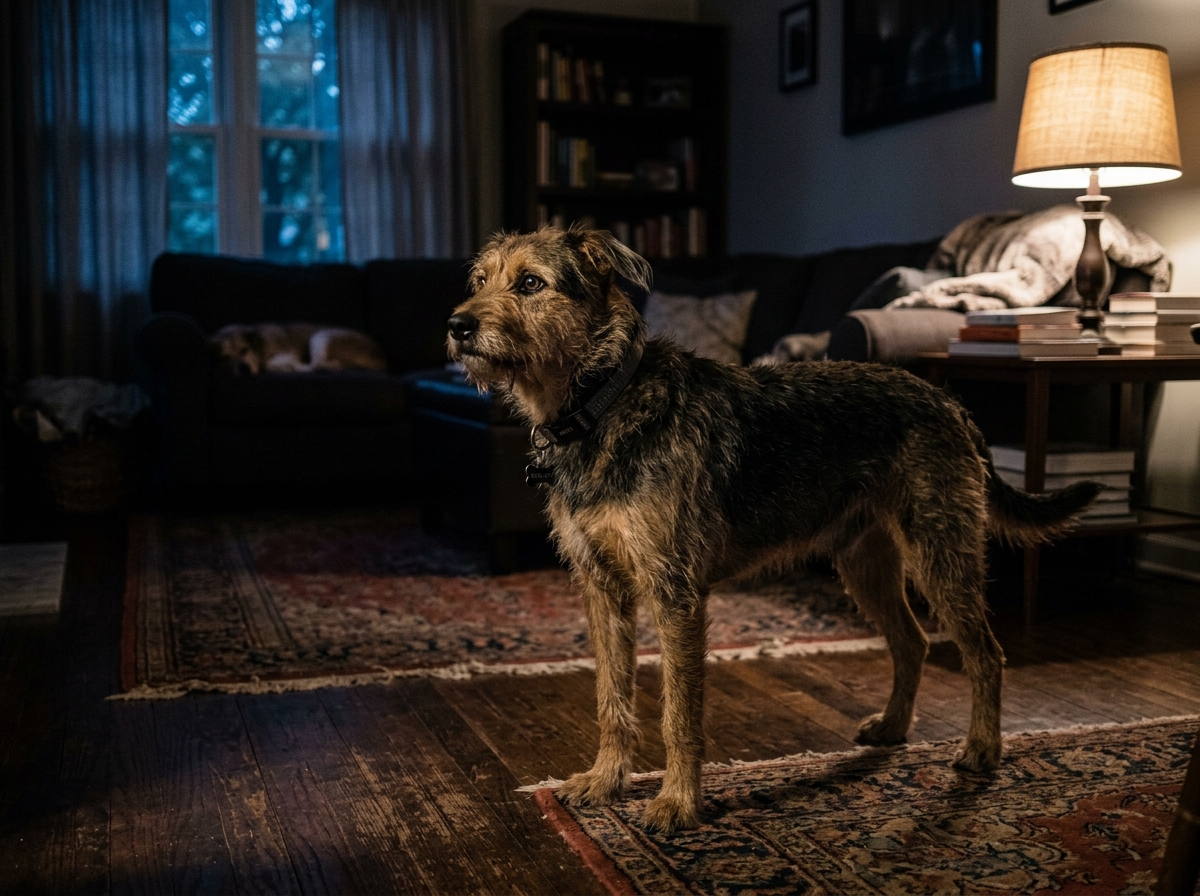
Rottweilers are large, powerful dogs that carry tremendous weight. By their senior years, that weight takes a toll on their joints. Hip dysplasia and elbow dysplasia are seen in the breed, and extra weight makes joint problems worse and happens earlier. A rottweiler pacing at night is often a rottweiler managing joint pain. By evening, after a day of moving through the world, their joints feel stiff and achy. Lying down might make the pain worse as their body settles and inflammation peaks. Some rottweilers will pace for a while before finally finding a position they can tolerate. Others never quite find relief and keep pacing all night. Weight management is crucial for rottweilers. Even 10 extra pounds on a 130-pound dog compounds joint strain significantly. Many rottweilers would sleep better and live longer with weight management and early pain intervention. A vet assessment for joint disease and pain management often transforms how a rottweiler rests.
The Steady Rottweiler's Need for Stability
Rottweilers are calm and steady when their world is stable. Changes in routine, family conflict, or disruption to their environment can unsettle them. A rottweiler who senses tension in the household will sometimes pace, anxious about instability. Some rottweilers are sensitive to changes as simple as a new feeding time or a change in bedtime. Their need for structure and predictability is real, and disruption to routine causes genuine stress. A rottweiler who's been moved, whose family situation has changed, or who senses conflict in the home might pace at night as a manifestation of that stress. These are protective dogs who feel responsible for their family's wellbeing. When something feels wrong, they get restless.
Structure and Pain Relief for Restful Sleep
Keep your rottweiler's routine as consistent as possible. The same bedtime every night, the same morning time, the same feeding schedule all communicate stability to their mind. A calm, consistent home helps these protective dogs relax. Weight management matters enormously. A healthy-weight rottweiler is more comfortable and lives longer. Exercise appropriate to their age and joint condition helps, without overexertion that stresses aging joints. Comfortable bedding, especially orthopedic support for their large frame, makes lying down easier. Some rottweilers rest better in a crate or enclosed space where they feel secure. Others do better with access to their family. Test different conditions to see what works for your dog. If pacing comes with other changes like reluctance to move, difficulty rising, or pain behaviors, pain management from your vet is important. Most rottweilers, once pain is addressed and routine is stable, settle into quiet, restful sleep.