Why Your Terrier Paces at Night
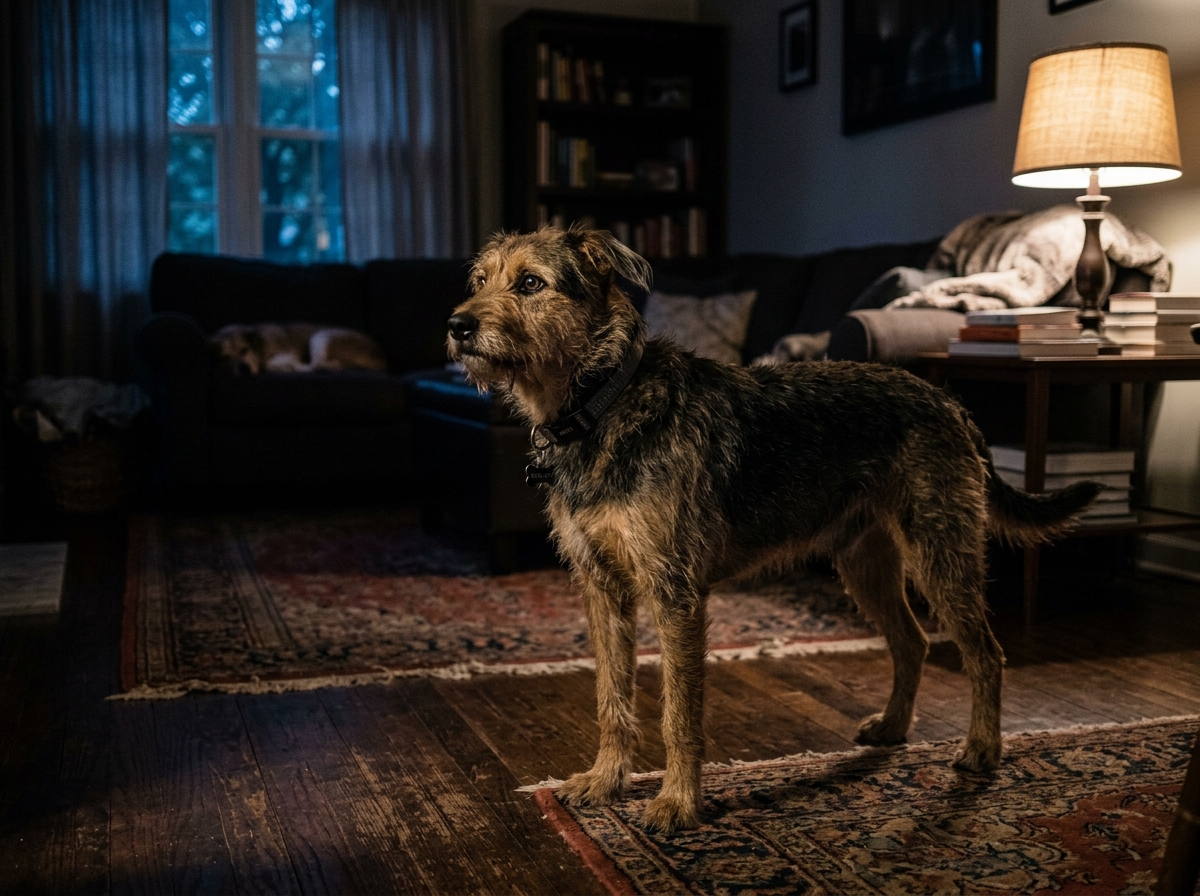
Drive Without Purpose
Terriers were bred to hunt independently and work with intensity. That drive runs deep in their bones, and a terrier without an outlet becomes frustrated and restless. A terrier with unspent drive reaches evening wired, overstimulated, unable to relax. They pace because their bodies demand work, and bedtime feels like an incomprehensible halt to activity. Some terriers will pace for hours, their working nature unable to accept rest when there's no job completed. Unlike some breeds that will crash after a walk, terriers often need both physical activity and mental work to feel truly satisfied. A puzzle toy, a training session, a scent-work game, or a retrieval activity might finally exhaust them enough to rest. A terrier without purpose will often find their own purpose, which might be barking, digging, or pacing. Giving them a real job transforms many terriers' nights.
Anxiety and High Alertness in Tiny Athletes
Terriers are alert and reactive dogs. Their high drive can tip into anxiety if they lack appropriate outlets. A terrier without enough mental engagement sometimes spirals into worry and restlessness. They might pace from anxiety as much as from unspent energy. Some terriers are also prone to allergies and skin conditions that itch unbearably at night. A terrier pacing while scratching is uncomfortable and distressed. The itching from allergies keeps them from settling. Ear infections can also occur, adding to nighttime discomfort. Some terriers have multiple issues contributing to pacing: unspent energy, anxiety, and physical discomfort all combining to make sleep impossible.
Purpose and Engagement for Terrier Rest
Give your terrier a real job or purpose. That might be formal training, scent work, or structured retrieval games. After real work that engages both body and mind, many terriers are genuinely tired. Physical exercise matters, but mental engagement matters more for terriers. A puzzle toy, a training session, or a scent-work activity tires their active mind in ways a simple walk cannot. Timing of activity matters too. Vigorous play close to bedtime will keep them wired. Afternoon activity followed by a calm evening usually works better. Some terriers respond well to routine and structure that makes bedtime predictable. Allergy management helps if skin issues are driving pacing. A vet assessment for allergies or ear infections is worth doing if pacing seems physical. Most terriers, with appropriate daily work and mental engagement, settle into rest relatively easily once their needs are met.