Bulldog Separation Anxiety and How to Help
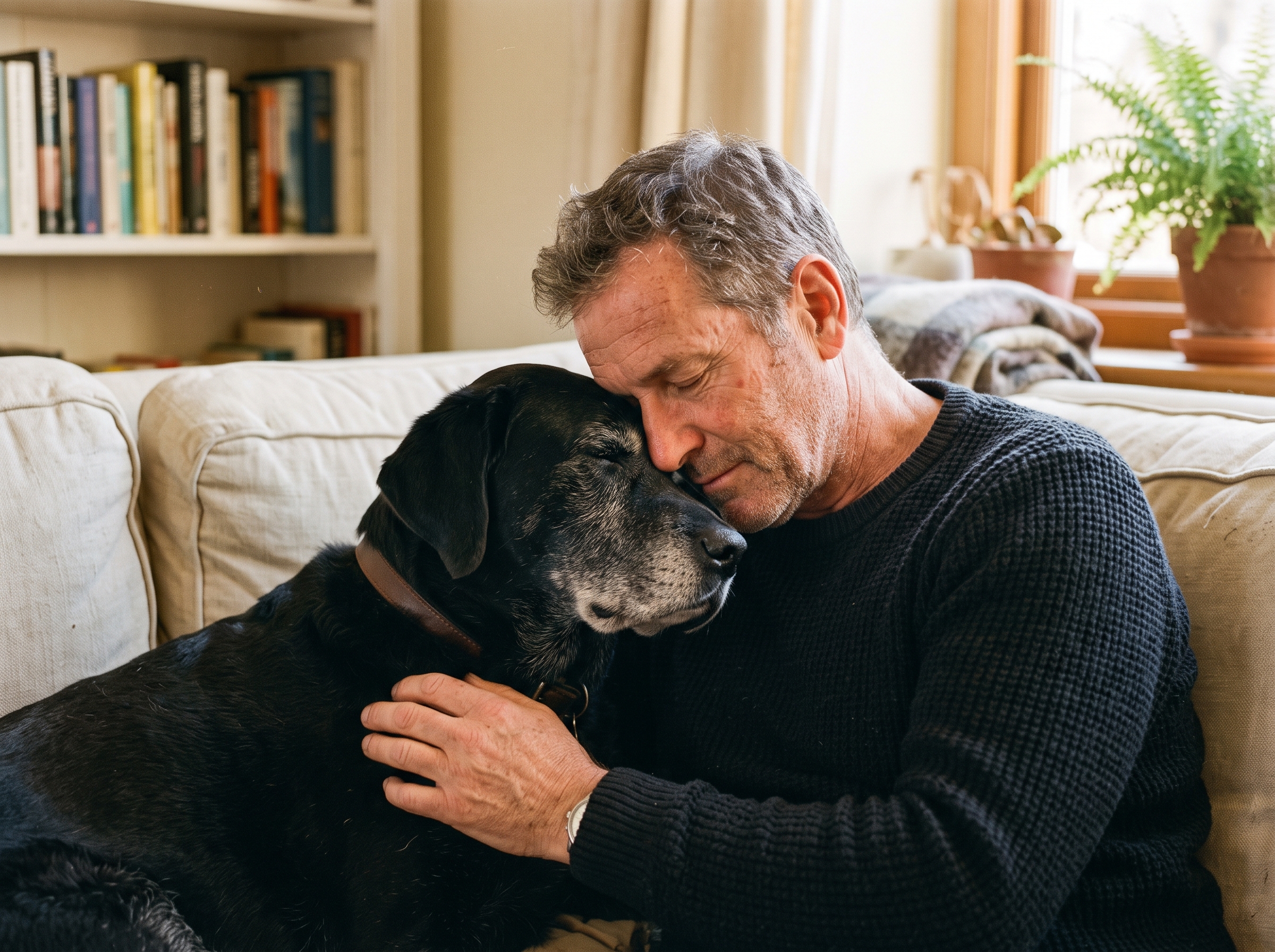
Comfort and Routine Matter Most to Bulldogs
Bulldogs are affectionate, easygoing dogs bred purely for companionship. They don't have the high drive of working breeds or the independence of terriers. A Bulldog sees comfort, routine, and closeness as their baseline. Disruption feels unsafe. When you leave, your Bulldog loses both: the comfort of your presence and the predictability of the routine. Bulldogs also age faster than many breeds, and their flat-faced build means heat stress and breathing issues compound anxiety. A stressed Bulldog breathes harder, gets overheated more easily, and tires quickly. This physical reality adds urgency to managing their separation stress. An anxious Bulldog isn't just emotionally distressed; they're also potentially at physical risk.
Recognizing Discomfort in Your Bulldog
Bulldogs show stress quietly. Watch for excessive drooling, heavy panting (beyond their normal breathing style), or pacing. Some become clingy before you leave, following you closely and seeming unsettled. Others go withdrawn, losing interest in food or their favorite toys. Many Bulldogs have accidents indoors when anxious, even if they're normally housetrained. Listen for soft whining or quiet distress calls. A Bulldog's stocky build means they tire easily, so an anxious Bulldog may seem restless and unable to settle. Because Bulldogs are so people-focused, they often show anxiety through a loss of their normal affection or enthusiasm.
Creating Calm, Cool Alone Time
Keep departures absolutely low-key. No big goodbyes or attention. Simply leave quietly. Practice very short absences first: two minutes, five minutes, ten. Always return before your Bulldog becomes distressed. Create a cool, comfortable space where they'll be alone. Bulldogs are heat-sensitive, so proper temperature is critical to their comfort. Provide water, a comfortable bed, and maybe a chew toy or slow-feeder. Leave worn clothing with your scent. Some Bulldogs calm down with white noise or soft music. Build alone time gradually into their routine. Practice short absences several times a day, every day, until they feel normal. Bulldogs respond well to consistency. If your Bulldog's anxiety is severe, or if they're showing signs of heat stress or respiratory distress during stress, talk to your vet immediately.