Goldendoodle Separation Anxiety and How to Help
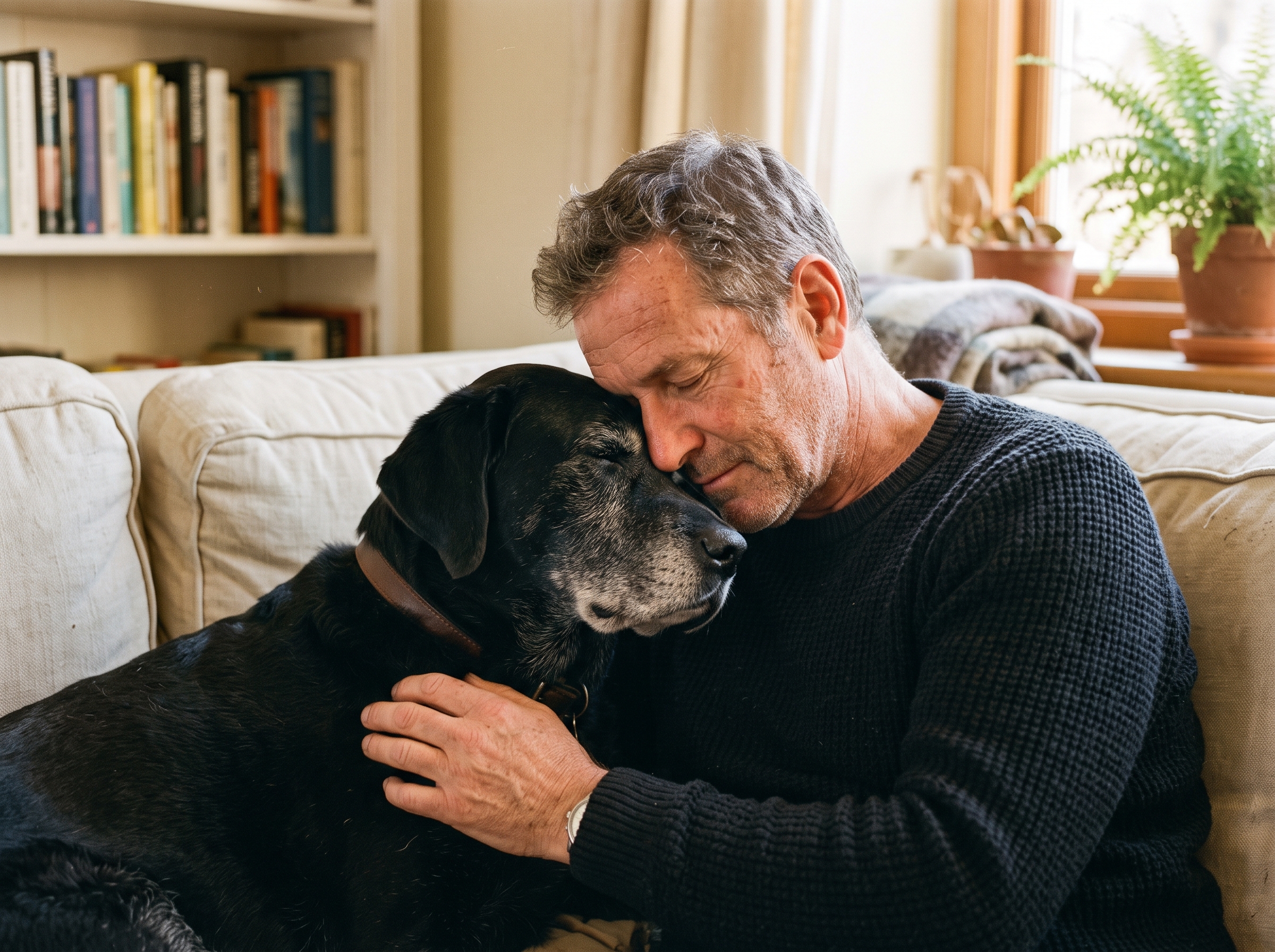
The Velcro Dog Left Behind
Goldendoodles were bred by combining the people-focused loyalty of Golden Retrievers with the intelligence and sensitivity of Poodles. The result is a dog that sees their person as their entire world. They follow you from room to room, want to be involved in everything you do, and become visibly anxious when you move toward the door. This isn't neediness or poor training; it's their nature. Goldendoodles genuinely believe they are part of your body. When you leave, they experience genuine trauma: separation from what they perceive as themselves. That level of attachment creates real, lasting psychological distress. Goldendoodles are intelligent enough to anticipate separation anxiety before it happens. They can spiral into panic simply from seeing you grab your keys.
How Separation Looks in a Goldendoodle
Your Goldendoodle becomes frantic before you leave: whining, pacing, panting, and following you obsessively. Once you're gone, many Goldendoodles vocalize constantly, bark at sounds, or develop destructive behavior focused on doors and windows. Some have accidents indoors. Others refuse to eat or drink. Many Goldendoodles become hypervigilant, listening intently for signs of your return. Some develop a haunted, anxious expression that's heartbreaking to witness. Because Goldendoodles are intelligent, they often develop secondary anxiety: obsessive behaviors, compulsive pacing, or escalating panic. An anxious Goldendoodle can develop skin issues from stress-licking or stress-scratching.
Rebuilding Security and Independence
Start by reducing the intensity of your closeness at home. Practice being in different rooms with your Goldendoodle. Reward calm, independent behavior: when they relax on their own bed instead of following you, give them praise and treats. Gradually practice closing doors between you. Make the routine so normal that your Goldendoodle stops expecting your constant presence. Only then start practicing actual departures. Start with two minutes, return before anxiety peaks, and repeat. Extend by one minute at a time, over weeks. Practice departures at random times throughout the day, not just when you're leaving for work. This breaks the departure-anxiety link. Engage their intelligence: puzzle toys, training sessions, and nose-work activities. A bored Goldendoodle's anxiety intensifies. Some Goldendoodles benefit from daycare or a dog walker during work hours, at least while you're building independence. If your Goldendoodle's anxiety is severe or isn't improving with consistent practice, consult your vet or a veterinary behaviorist.