Pit Bull Separation Anxiety and How to Help
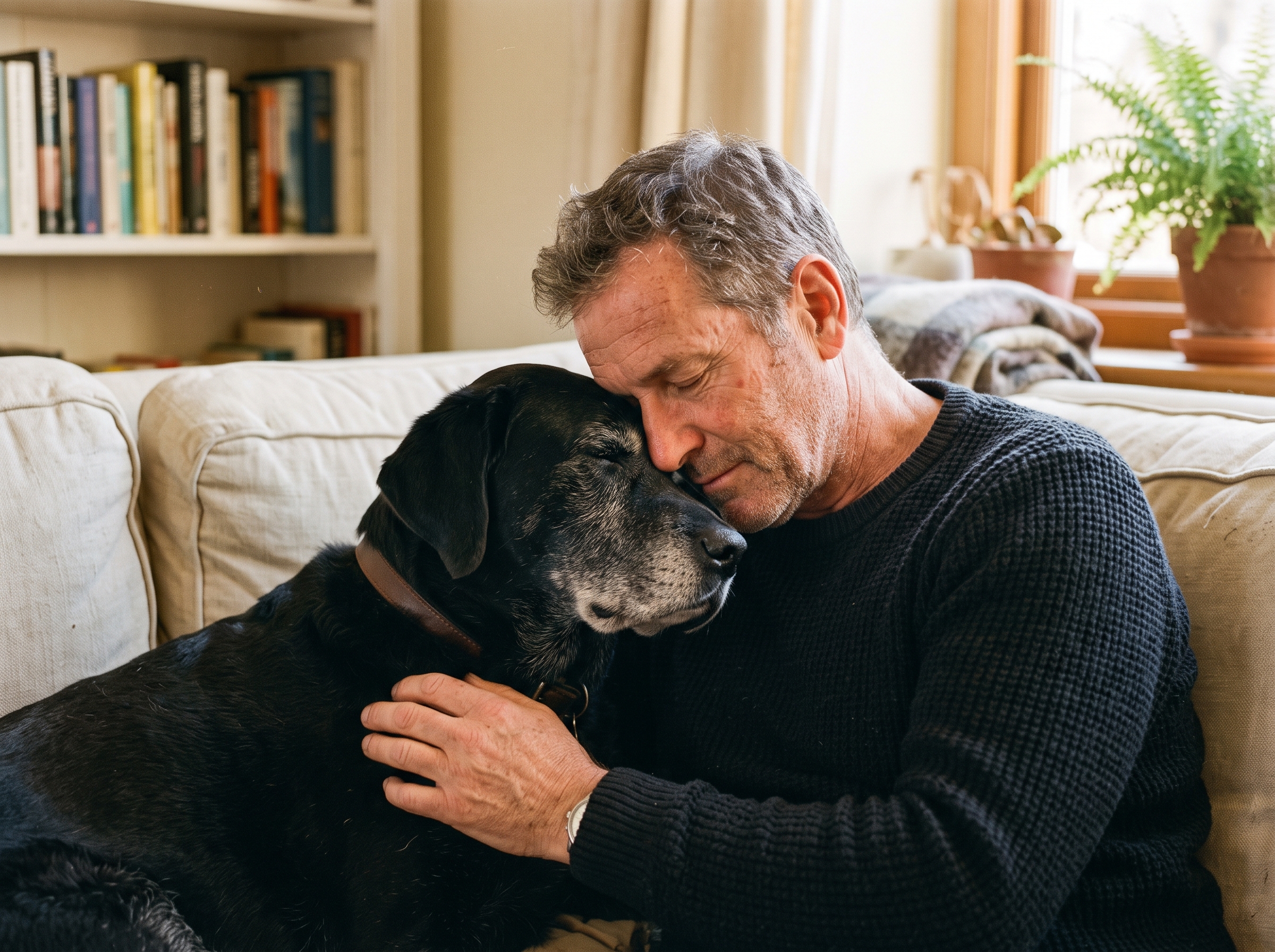
Bred for Closeness, Struggling Alone
Pit Bulls were bred for human companionship and bonding. They thrive on closeness, want to please their people, and see separation as a genuine crisis. A Pit Bull isn't just missing a person; they're missing what they're wired to want: constant proximity and clear human leadership. The intensity of their attachment is unusual even among affectionate breeds. Many Pit Bulls develop what looks like obsessive bonding, following their person everywhere and becoming visibly anxious if that person moves out of sight. This isn't a training failure; it's their breed nature. Pit Bulls are also powerful and pain-tolerant. They often mask distress until it becomes severe. An anxious Pit Bull might not vocalize or appear panicked; they might simply shut down or develop subtle behavioral changes that are easy to miss.
Subtle Stress in a Powerful Dog
Because Pit Bulls are strong and stoic, watch for quiet signs of distress. Your Pit Bull might not bark or destroy; they might become withdrawn, lose appetite, or develop a haunted expression. Some become clingy to the point of panic, following you obsessively and unable to settle. Others show stress through physical tension: muscle tightness, trembling, or panting. Many Pit Bulls pace restlessly or fixate on windows or doors. Some develop compulsive behaviors: excessive panting, drooling, or licking. Watch their eyes; an anxious Pit Bull often has a worried, uncertain look. Because Pit Bulls want so desperately to please, they might suppress obvious panic and instead show it through subtle withdrawal or shutdown.
Building Security Through Structure and Calm
Pit Bulls need clear, calm leadership and structure. Establish a routine and stick to it absolutely. Be calm and matter-of-fact about departures. Never make leaving emotional. Practice very short absences at first: two or three minutes. Return before any distress, even subtle distress. Repeat many times until your Pit Bull's stress response starts to calm. Gradually extend the time. Practice departures at random times throughout the day, not just when you're leaving for hours. This breaks the anticipation anxiety. Use their food motivation: leave a puzzle toy or slow-feeder stuffed with something engaging. Pit Bulls respond well to having a job or a clear directive. Give them a command to go to their bed or settle in a specific space before you leave. The structure and clear expectation help. If your Pit Bull's anxiety is severe or escalating, consult your vet or a veterinary behaviorist.