Senior Dog Anxiety: Understanding Anxiety in Older Dogs
Key Takeaways
- Senior dog anxiety often ties to cognitive decline, sensory loss, or pain, not behavior alone
- Aging changes how the brain works, which shapes emotional responses
- A predictable, safe environment and steady routine help seniors feel secure
- New or worsening anxiety in older dogs warrants a vet evaluation
How Aging Changes Your Dog's Brain
Your dog's brain ages just as yours does. Thinking slows, memory shifts, and the way your dog processes the world changes. An older dog might get disoriented in familiar spaces, or react with fear to something they have seen a thousand times, because they no longer remember it as safe.
Canine cognitive dysfunction is real, and anxiety is often part of it. Your dog may pace at night, seem confused, or startle more easily. They are not being difficult, their brain is simply working differently now. Understanding that helps you respond with compassion instead of frustration.
Common Causes of Anxiety in Senior Dogs
As dogs age, physical changes often trigger emotional ones. Hearing loss makes a senior dog more reactive because they cannot hear things coming and startle more easily. Vision loss makes them less confident moving around. Joint pain and reduced mobility create fear about movement and falling.
Senior dogs also deal with schedule changes from more frequent bathroom needs, and may worry about losing bladder control. Cognitive change means they forget where things are, get lost in the house, or worry about separation because they cannot recall when you are coming back. Sleep disruption is common in senior dogs, and poor sleep makes anxiety worse.
Recognizing Signs in Your Older Dog
Anxiety in senior dogs often looks like restlessness. Your older dog may pace at night, whine for no clear reason, or follow you from room to room. They might refuse to enter certain rooms, act afraid of new furniture, or startle at familiar sounds.
Look for increased clinginess, reluctance to be alone, heavy panting, or trembling. Some become more vocal than they used to be, while others go quiet and withdrawn. Each dog's anxiety looks a little different. Watch for changes in eating, sleeping, and bathroom habits.
Creating a Supportive Environment for Seniors
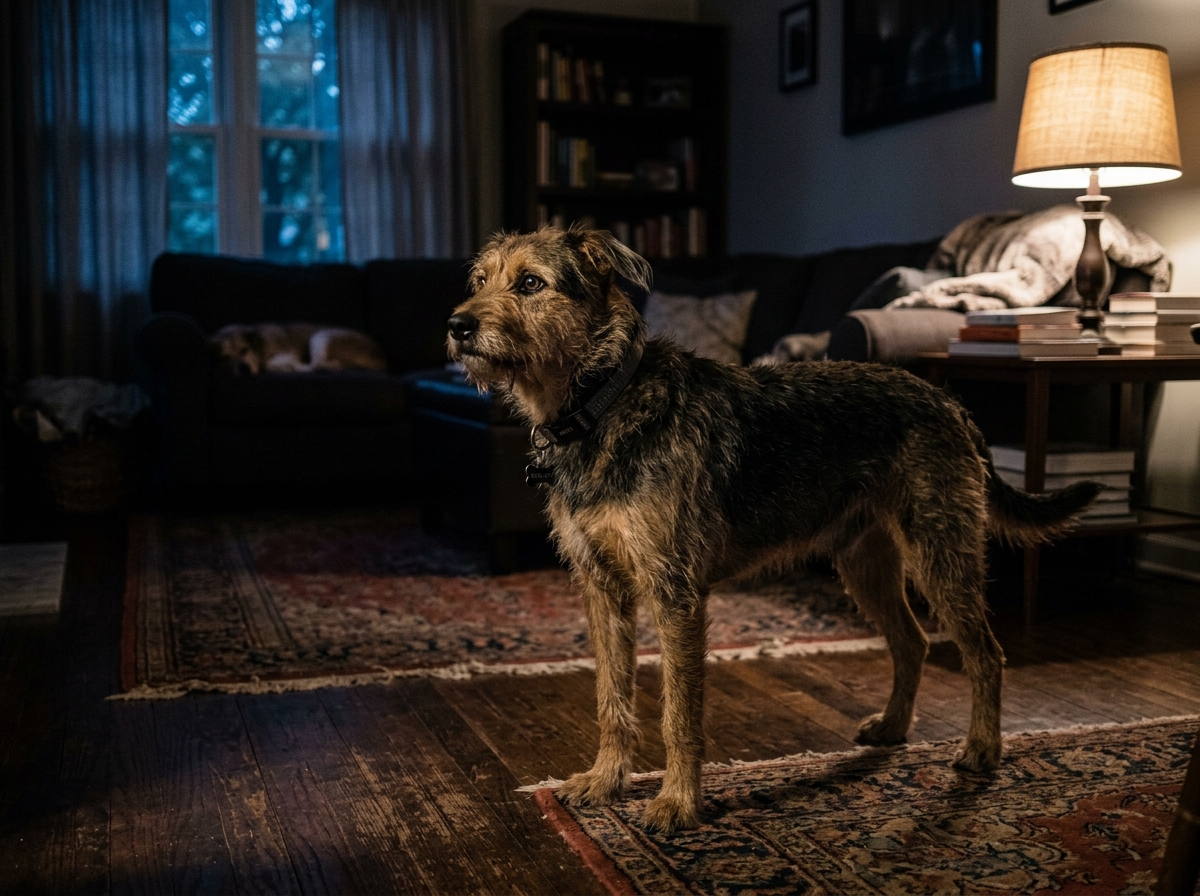
Keep your home predictable and safe. Leave the furniture where it is so your dog does not get confused, use nightlights to help with vision changes, and keep food, water, and bedding on the same level to reduce strain.
Make it easy to get on and off furniture, since a ramp or low step helps an anxious senior feel more secure. Keep your dog close at night if separation distresses them, as many older dogs sleep better knowing you are nearby. Short, gentle outings help maintain confidence, and quiet, controlled interactions feel safer than busy, chaotic ones for a more reactive senior nervous system.
When Anxiety Signals Deeper Health Issues
New or worsening anxiety in a senior dog is almost always worth investigating. Anxiety can mask pain, a urinary infection, thyroid trouble, or cognitive changes that need managing. Your vet can run blood work, check for pain, and review any medications that might be adding to the nervousness.
Some senior dogs benefit from medication or specific calming support alongside changes at home. Your vet is your partner in helping your aging dog feel more secure and comfortable.