Why Your Goldendoodle Paces at Night
The Velcro Dog's Night Anxiety
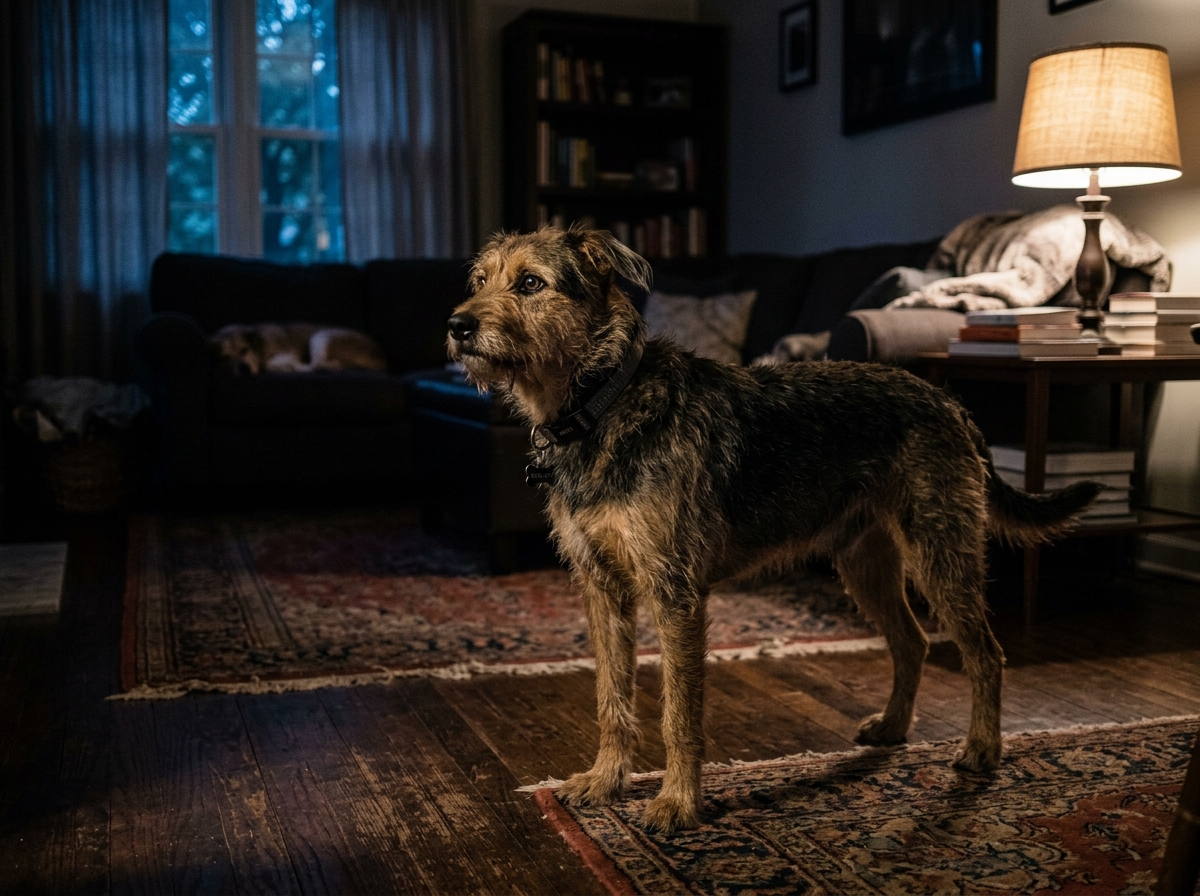
Goldendoodles are attachers. They follow their person from room to room, sleep on your feet, and view separation as crisis. When night arrives and they're expected to be alone or in a separate room, many goldendoodles experience genuine anxiety. This isn't learned behavior; it's how they're wired. A goldendoodle forced into solo sleep often paces all night, distressed, unable to understand why their person would choose separation. Even a goldendoodle sleeping in the same room but not touching you might pace if they're not close enough to feel connected. These dogs form such deep attachments that their emotional wellbeing is literally tied to your presence. A pacing goldendoodle is a deeply anxious dog. The pacing might be searching for you, might be frantic attempts to move closer, or might be their way of managing the stress of being away from their person. Many goldendoodles only sleep when they're touching their human, and that's not a behavior problem; that's their attachment style.
Ear Infections and the Doodle's Hidden Discomfort
Goldendoodles inherit the poodle's floppy ears and the retriever's water-loving coat. That combination creates an ear infection goldmine. A doodle with chronic ear infections experiences low-level pain constantly, and that pain often worsens at night when the ear has been flopping against warm skin all day. The inflammation peaks as the dog settles, making lying down uncomfortable. Night pacing is sometimes your goldendoodle's way of managing ear pain. Some doodles with ear issues also develop skin allergies, which itch unbearably at night when there's nothing to distract them. A doodle pacing frantically while scratching is uncomfortable and distressed. Many goldendoodle owners don't connect the pacing to ear or skin issues because the problems seem separate. But a goldendoodle with chronic ear or skin discomfort will often pace at night while trying to manage the sensation. Regular ear cleaning, addressing allergies with your vet, and monitoring for infections prevent much of this pain.
Structure and Closeness for a Goldendoodle's Rest
Let your goldendoodle sleep in your room, or even on your bed if you're comfortable. These dogs genuinely rest better with their person nearby. It's not indulgence; it's their emotional need. A consistent bedtime routine also matters: the same time every night signals to their body that sleep is coming. A short, calm evening together before bed, with no exciting games or activities, helps them transition to rest mode. Many goldendoodles settle quickly once they're sure you're staying nearby. Some need a while longer, but patience pays off. Avoid middle-of-the-night play or responses to pacing if possible, as you don't want to accidentally reward the behavior. If your goldendoodle paces, you can calmly wait for them to settle rather than engaging with the behavior. Hip dysplasia and elbow dysplasia occur in the breed, so a vet check for joint pain is worth doing if pacing seems tied to discomfort or stiffness. Most importantly, understand that your goldendoodle's need for closeness isn't a problem to train away; it's a trait to accommodate.