Why Your Labradoodle Paces at Night
The Under-Exercised Labradoodle's Night Energy
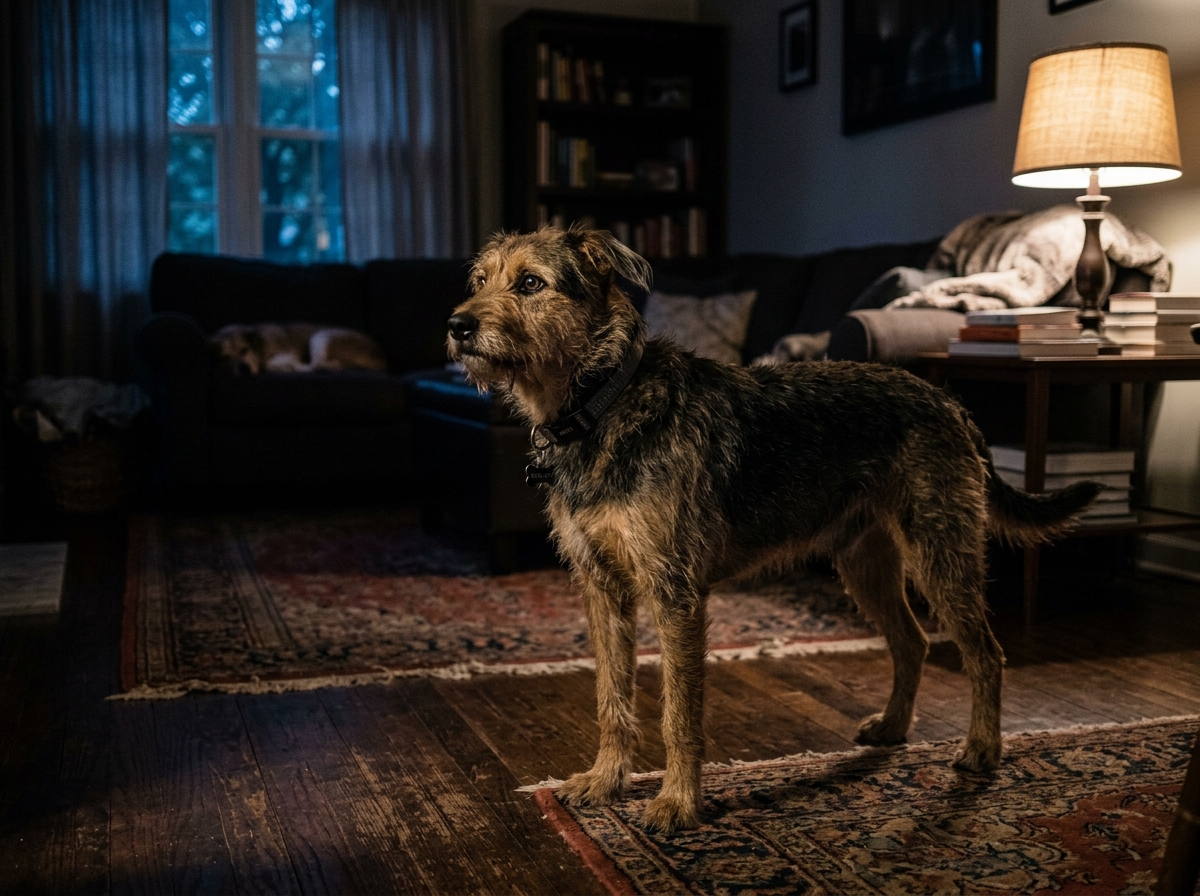
Labradoodles are high-drive dogs with retriever energy and poodle brains. They need real work, not just a walk around the block. A labradoodle with unspent energy reaches evening wired, overstimulated, and unable to relax. That restlessness shows up as pacing. They're not anxious; they're frustrated. Their body wants to retrieve, their brain wants to solve problems, and neither got satisfied during the day. They pace because lying still feels impossible. Some labradoodles will pace for hours before exhaustion forces sleep, never actually resting. Unlike retrievers that will crash after a walk, labradoodles often need both physical activity and mental engagement to be truly tired. A puzzle toy, a training session, or a retrieval game followed by a walk might finally exhaust them enough to rest. If your labradoodle paces and you're getting less than an hour of solid activity daily, that's often the first issue to address.
Hip Dysplasia and Inherited Joint Strain
Labradoodles inherit hip dysplasia risk from both parent breeds. As they age, joint strain can develop even in young dogs, especially if they're overweight. A labradoodle with hip dysplasia experiences pain that worsens when they relax, because the joint's range of motion is limited and uncomfortable. They'll pace because moving feels better than lying still. Weight compounds the problem significantly. A labradoodle that's even slightly overweight will experience earlier and worse hip pain. Some owners don't realize their dog is in pain because labradoodles are enthusiastic and willing to work through discomfort. But at night, when they finally rest, the pain surfaces and they can't sleep. Ear infections also occur in doodles with floppy ears, adding nighttime discomfort. A vet assessment for hip dysplasia and weight management often transforms how a labradoodle rests.
Channeling Drive Into Rest
The key to a labradoodle's restful night is exhausting both their body and their brain during the day. Physical exercise is necessary but not sufficient. A labradoodle needs a job. That might be formal training, retrieval games, scent work, or structured play. After real work, they're genuinely tired. An evening routine that's calm and predictable also signals to their body that rest is coming. High-energy games or exciting play close to bedtime will keep them wired. A short, structured activity in the afternoon, followed by a calm evening, usually works well. Weight management supports joint health and makes rest more comfortable. A healthy-weight labradoodle in good hip condition usually sleeps peacefully after adequate daily activity. If pacing persists despite good exercise and weight management, your vet should assess for pain or other issues driving the restlessness.