Why Your Pit Bull Paces at Night
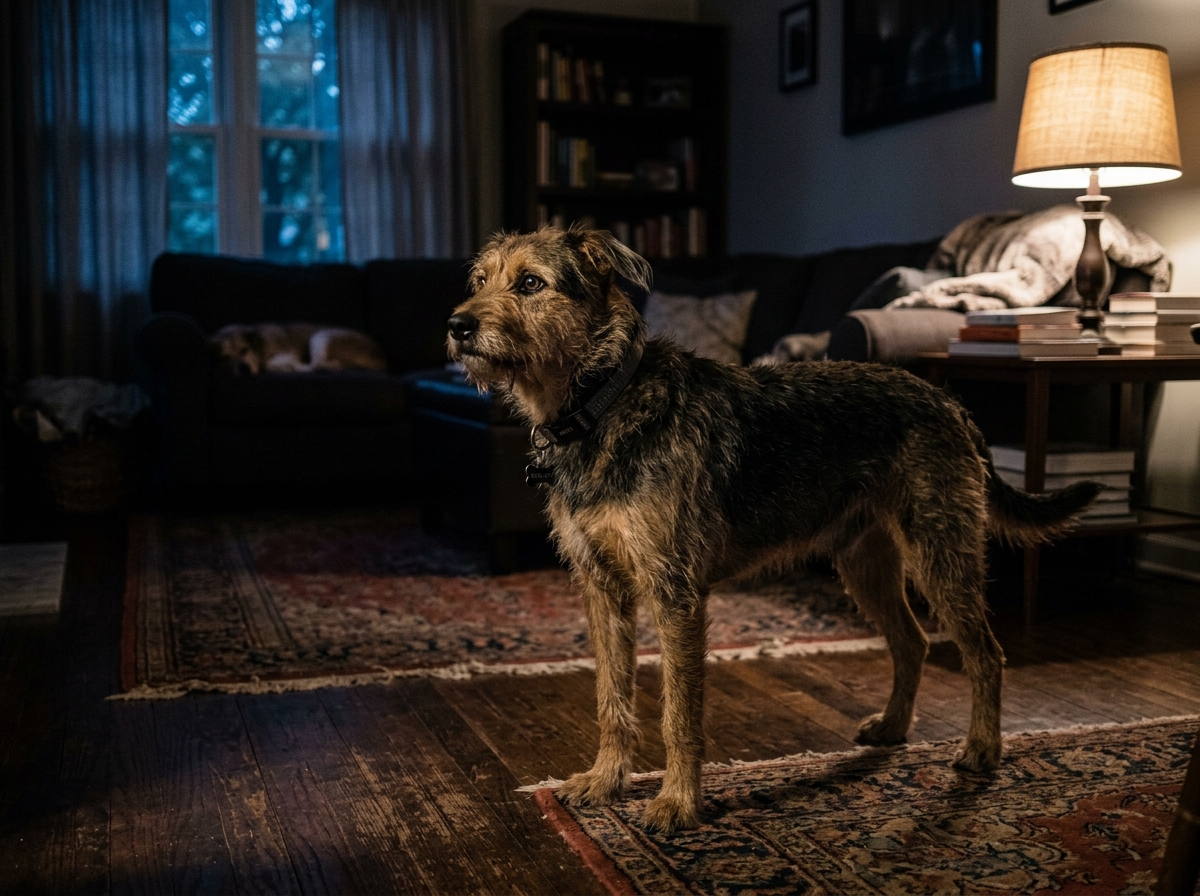
The Pit Bull's Deep Family Bond
Pit Bulls are attachers. They form intense, fiercely loyal bonds with their people, and separation distresses them. A pit bull forced away from family at night often experiences genuine anxiety. They're people-dogs in the truest sense, and alone time conflicts with their core need for connection. Some pit bulls pace because they're searching for their person, anxious about separation. Others pace because they're frustrated by the distance between themselves and their family. If your pit bull has access to you at night but you're ignoring their attempts to be closer, they might pace seeking your response or company. These dogs are powerful and pain-tolerant, so they push through discomfort, but at night when they finally rest, pain surfaces and keeps them restless. Many pit bull owners don't realize their dog has been hurting until they address pain and the pacing stops immediately.
Hidden Pain in a Strong, Stoic Dog
Pit Bulls hide discomfort behind affection and enthusiasm. A pit bull with hip dysplasia or joint strain will wag their tail and play, masking significant pain. By evening, that pain catches up with them. They pace because lying still hurts, and moving, though painful, feels like they have some control. Their powerful build and pain tolerance mean many owners miss early signs of joint trouble. Skin allergies also occur in the breed and can itch unbearably at night, driving pacing and scratching. A pit bull pacing while scratching is uncomfortable and distressed, but many owners interpret it as behavioral rather than recognizing the discomfort. Heart conditions are worth screening for in pit bulls, as some can affect energy and sleep quality. A vet assessment can identify pain, allergies, or other issues driving the night pacing.
Structure and Closeness for a Pit Bull's Rest
Pit Bulls typically sleep better when they're close to their family. Sleeping in your room, even if not on the bed, often transforms a pit bull's night. These dogs genuinely need to know their people are safe and near. A consistent bedtime routine also matters. The same time, same calm sequence every night signals to their body that rest is coming. Avoid anything chaotic or stressful close to bedtime. Pit Bulls respond well to structure and clear expectations, and bedtime routine is part of that. A comfortable bed that supports their powerful build helps, especially as they age. Weight management is important too, as excess weight stresses joints. Most importantly, understand that your pit bull's need for closeness isn't a problem to fix; it's a trait to accommodate. A pit bull who feels secure and connected to their family typically sleeps peacefully.